Home Blog Page 17

The World’s 8 Best Places to Retire in 2014 – On Retirement (usnews.com)


The World’s 8 Best Places to Retire in 2014

December 31, 2013 RSS Feed Print

Kathleen Peddicord

If you could retire anywhere in the world, where would you go? As we find ourselves at the beginning of a brand new year, that’s a question worth asking. The very good news is that we are living in a time when it’s not only possible, but easier than ever to launch the retirement adventure of your fondest day dreams almost anywhere on earth that appeals to you.
Specifically, here are the best, most comfortable, affordable, convenient and rewarding spots worldwide for retirement in 2014. Which one is calling your name?
7. Granada, Nicaragua
Monthly budget: $1,300
Monthly rent: $500
Geographically, Nicaragua is blessed, with two long coastlines and two big lakes, plus volcanoes, highlands, rain forest and rivers. In this regard, it’s got everything Costa Rica and Panama have got, all less discovered and developed and available for the adventurer and eco-traveler at bargain rates.
Architecturally, too, Nicaragua is notable. Its two sister colonial cities, Granada and Leon, vie for the title of Oldest City in the Americas. Whichever story you believe (that the Spanish conquistadores settled first on the shores of Lake Nicaragua at Granada or, perhaps, a few months earlier in Old Leon), Nicaragua is the big winner, with impressive colonial-era churches, public buildings and parks to her credit.
Property values have fallen significantly in this country over the past several years, thanks to the re-election of Sandinista President Daniel Ortega and the global recession, which has hit this country hard. As a result, you can buy a house on Nicaragua’s Pacific coast for less than $100,000.
Kathleen Peddicord is the founder of the Live and Invest Overseas publishing group. With more than 28 years experience covering this beat, Kathleen reports daily on current opportunities for living, retiring and investing overseas in her free e-letter. Her newest book, “How To Buy Real Estate Overseas“, published by Wiley & Sons, is the culmination of decades of personal experience living and investing around the world.
Camino Real in Managua, Nicaragua

0

A friend recently asked me to book a room for his father who was going to be in Managua, Nicaragua for 3 days. One of the options that kept popping up was the Camino Real, just about 1.3 miles from the César Augusto Sandino airport in Managua. It had been several years since I had stayed there…about 10 to be exact so I thought I’d give it a try and update my experiences at this hotel.

The Camino Real is old by Managua, Nicaragua hotel standards. It was built in 1971 and was the choice of excellence for many years in Managua. However, time has taken its toll. That isn’t to say, however, that the management hasn’t made good efforts to make your stay here a pleasant one.

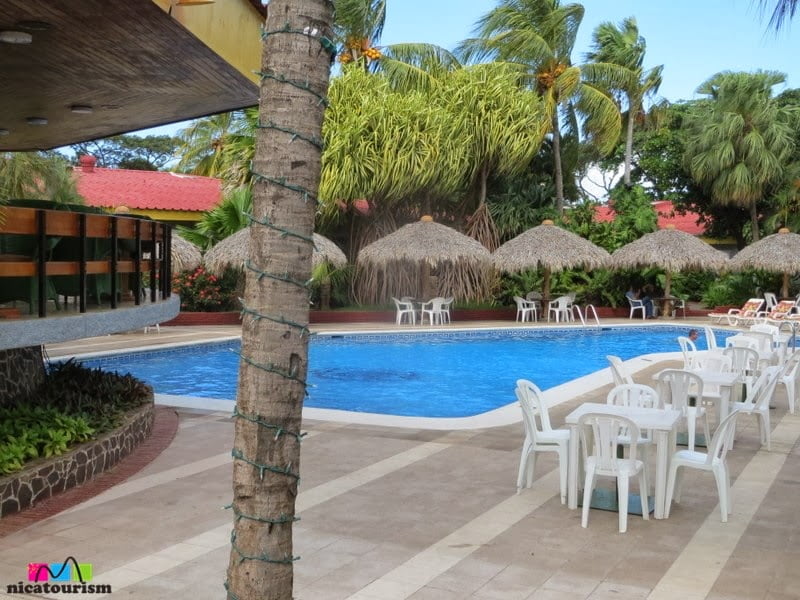
One thing that stands out about the Camino Real Managua hotel is the lush green vegetation that envelops the property.  It’s well maintained and a welcome change to the concrete jungle that Managua has become.

The entrance and lobby are welcoming.  There you will also find the hotel lobby bar.

  
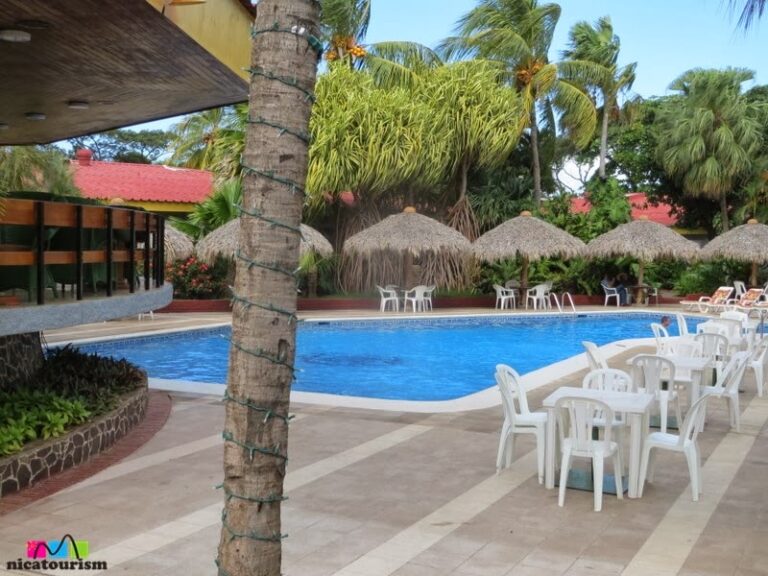
The pool area is nice as well…not a big pool but a welcome plus for many travelers, especially those with children.

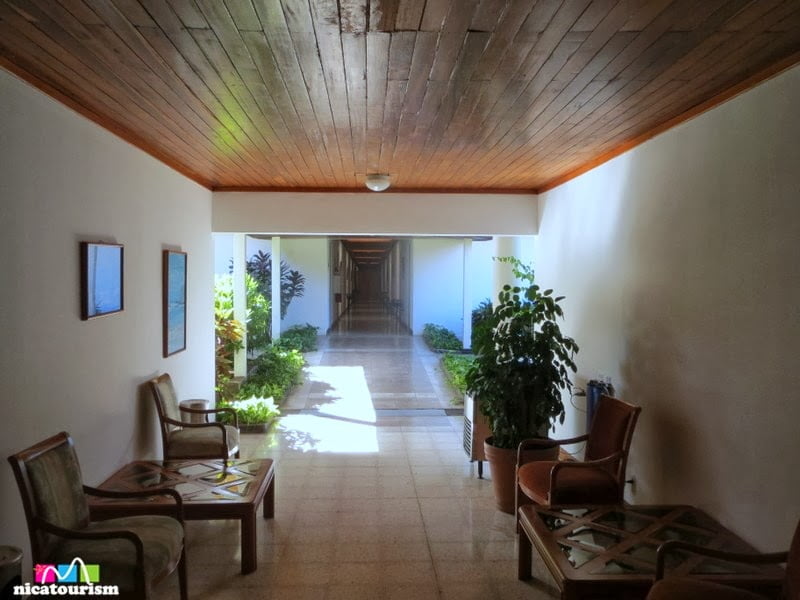
On the other hand, as I mentioned, the hotel is definitely dated.  The Nicaragua tourist pictures that decorate the halls of the rooming area were there the last time I stayed, in 2004.  The rooms are painted well but the décor is dated.  The bed is stiff – no pillow tops here – and the pillows themselves are low to medium quality.  AC works nice.  Shower stalls are modern but the faucets and showerhead are well overdue for a change.   The complementary toiletries are of good quality.   No coffee maker in the room but there is a hairdryer and your ever so useful telephone in the bathroom.

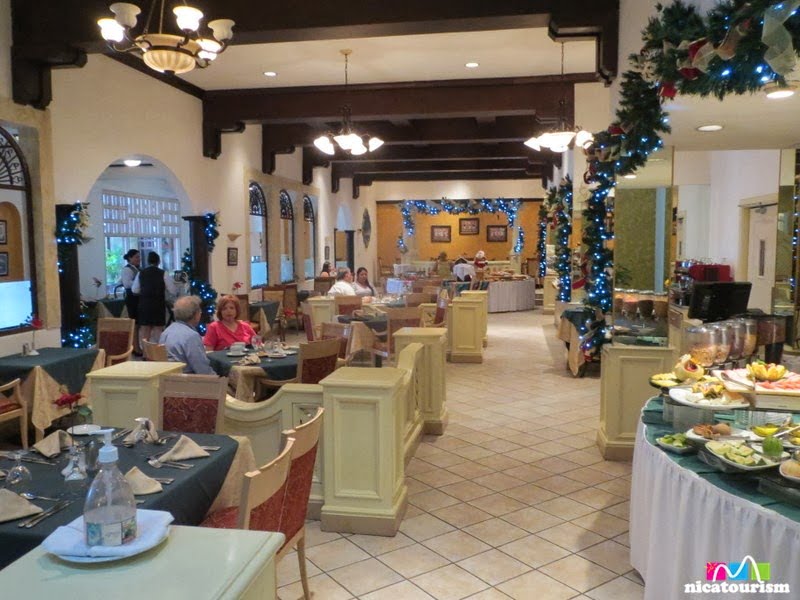
Here comes the best part of this hotel: the breakfast buffet.  It is generally included with the price of your room.  If you have to purchase it, they want you to pay in cash.  Click here to see prices.  I will say that this is the best breakfast buffet value you will find in Managua, in any of the hotels.  Excellent service, excellent variety and quality of food.  Coffee was A+.  What more can you ask for in the morning?  The buffet is served from 6:00-10:30 a.m.

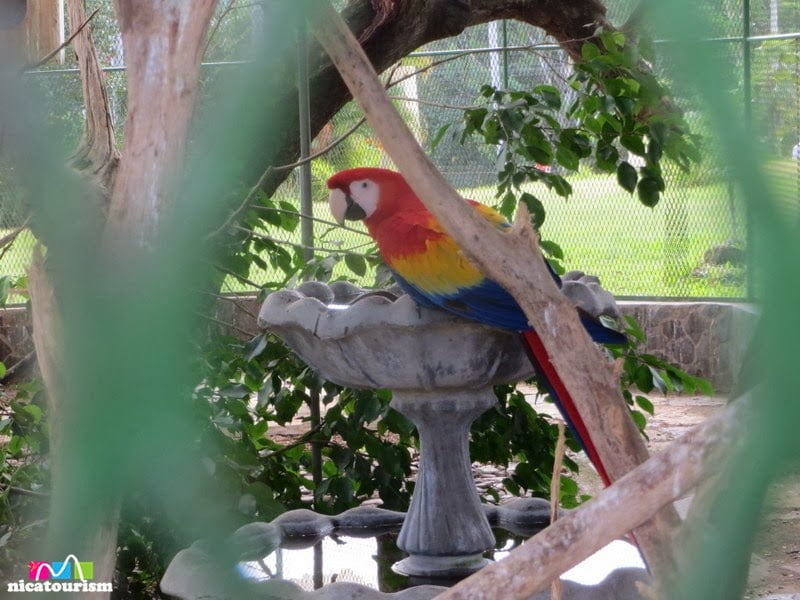
Don’t forget to see the nice collection of tropical birds and a big turtle in a caged gazebo just off the lobby entrance, near the carport.

Some travel sites rate the hotel as a 3 star property.  I would give it 2 1/2 stars, mostly because of the aged condition.  However, the staff service is excellent and the restaurant is 4 star.  If you can get this room for $60-70 and you are traveling from the airport, it is a good value.  By the way they do have a complimentary shuttle with limited hours and it’s just 5 minutes to the airport.  Check hotel prices here.

Wow! El Christ – San Juan Del Sur

El Christ – I found this awesome video, taken by SurfNica Waves, of the El Cristo statue and birds’ eye views of the San Juan bay and surrounding areas. Excellent! What a beautiful beach area in Nicaragua!

Destinations to watch in 2014, Photo 3 of 10 (Condé Nast Traveller)

0


Photo by Alamy

Top 10 Destinations to Watch in 2014

NICARAGUA
Be first to discover Central America’s most exciting emerging destination

You can’t keep a good country down. For too long beset by war, poverty, dictators and natural disaster, Nicaragua is now shaking off its misfortune and pulling itself up by the bootstraps.

Until recently, only the hardiest of travellers – the kind who carry their own bags and aren’t deterred by civil war – ventured into Nicaragua. It was hard work. The loos were horrible.

Finally, that’s changing. The government has been taking lessons from its more tourist-friendly neighbour of Costa Rica (itself a hot destination at the moment, with its cool surf towns and an amazing new Andaz hotel opening in 2014), investing in services and infrastructure, and unveiling their beautiful country to the world.

‘Nicaragua is one those countries that has it all,’ says Rafe Stone, Nicaragua expert at Journey Latin America. ‘A dramatic volcanic range, charming colonial cities like Granada and León, and rainforests full of unusual wildlife, flanked by a rugged Pacific coast on one side and white-sand Caribbean beaches and islands on the other.

‘No longer is it just for the backpacker – now there are some smart boutique hotels peppering the country, the latest of which is Yemaya Island Hideaway on car-free Little Corn Island [pictured], where Creole-style lobster is part of the staple diet.’

Right now it’s teetering on the brink of being just-discovered, and just-comfortable-enough to make it appealing. Recently it has seen a few wonderful new eco-lodges that really are both eco and friendly – rustic places which have excellently deep beds and swimming pools on the edge of untouched wildernesses, whether on an empty beach or in the midst of virgin rainforest, surrounded by monkeys and spectacular rare birds.

One of those is Morgan’s Rock, an ecolodge with a wildlife focus on the Pacific Coast; and, in February, Mukul Resort & Spa opened nearby on Playa Manzanillo, with stylish beach casitas that are positively Gold-List standard. It even has a spa and a golf course – the proof, if more were needed, that now is the time to come, and quick.
An excellent oxymoron

You will need a quick Spanish lesson to get the gist of this sign outside of a bar in Batahola Sur in Managua, Nicaragua.  In Spanish, “sobrio” means sober as you might have guessed.  However, it will probably be difficult to find a sober client in this bar…thus the oxymoron and a pretty funny tongue in cheek sign!

Lake Managua


What do you think about this picture, taken from the new boardwalk (El Malecón) in Managua?

Tailoring and hemming

You can find anything on the back streets of Managua, Nicaragua.  For example, in Buenos Aires (near Loma Linda, Managua) you can get your clothing hemmed and repaired.  And they are the ‘Best on the best’.  Need I say more?

Corn Islands: Nicaragua’s English-Speaking Caribbean


Corn Islands: Nicaragua’s English-Speaking Caribbean

Posted on November 11, 2013 by Suzan Haskins

An eco-resort is being built on Little Corn, a result of The Corn Islands being a national tourism heritage site.

If you like peaceful beach living, white sands, and blue seas, then you might want to check out Nicaragua’s Corn Islands. Reminiscent of Belize ‘s Ambergris Caye 30 years ago or Honduras ‘ Roatan island 25 years ago, this is a spot for pioneering castaways.
The Corn Islands offer a healthy reef for scuba diving, snorkeling, fishing, and lobstering, friendly locals who speak English as their official language, and very few tourists. Thanks to surrounding coral reefs these islands are the best places to spot hammerhead sharks, eagle rays, greens sea turtles, and more.
These two little dots of paradise are located less than 50 miles off Nicaragua ‘s Caribbean coast. Big Corn Island is about four square miles in size and has maybe 6,000 inhabitants. It’s just 10 miles from Little Corn which is one-fourth the size of Big Corn in both land mass and population.
How they came to be called the “Corn Islands” is a mystery. Some say pirates and British buccaneers, who came here to restock supplies during the 17th and 18th centuries, misspelled the Spanish word for meat, carne. Others say they’re named for the corn found growing here.
Lobstering is the main industry and one expat who lives on Big Corn told me, “We eat lobster with eggs for breakfast, we have lobster with pasta, with rice, with fruit… We experiment with lobster in just about every dish you can imagine.”
The airstrip on Big Corn is being lengthened to accommodate international flights, to make the exportation of fresh lobster directly to market in Miami easier. Improvements to the hospital are also being made to comply with associated regulations.
Will these upgrades and developments bring more tourists to the area? Probably. Although these islands aren’t for everyone. Supplies have to be imported if they aren’t locally grown or caught from the waters. Restaurants all tend to serve variations of the same dishes, with few exceptions.
You won’t find many tourist businesses or souvenir shops except for a few hotels and guesthouses. Coffee shops and Internet cafés are rare and Internet won’t be what you are used to at home.
There are no roads on Little Corn, just a three-foot-wide sandy walkway. No vehicles are allowed although a new upscale eco-resort is in the works.
Nicaragua’s National Assembly has declared the Corn Islands a site of national tourism heritage, with the aim of enticing investment and boosting hotel capacity.
If you are an adventuresome soul and the pioneering sort, my advice is to go sooner rather than later. Prices are low for now. A quarter-acre lot with a million-dollar view of the Caribbean can be had for just $35,000.
To get to the Corn Islands, you can fly directly to Big Corn from Managua, expect to pay about $180 for a round-trip ticket. To get to Little Corn, take the 30-minute local water taxi from Big Corn for about $7 per person.
Editor’s Note: Learn more about Nicaragua and other countries in our daily postcard e-letter. Sign up for IL’s free daily postcard here  and we’ll send you a FREE REPORT- Start a New Life on the Beach in Nicaragua.


Sent from Evernote

Ometepe

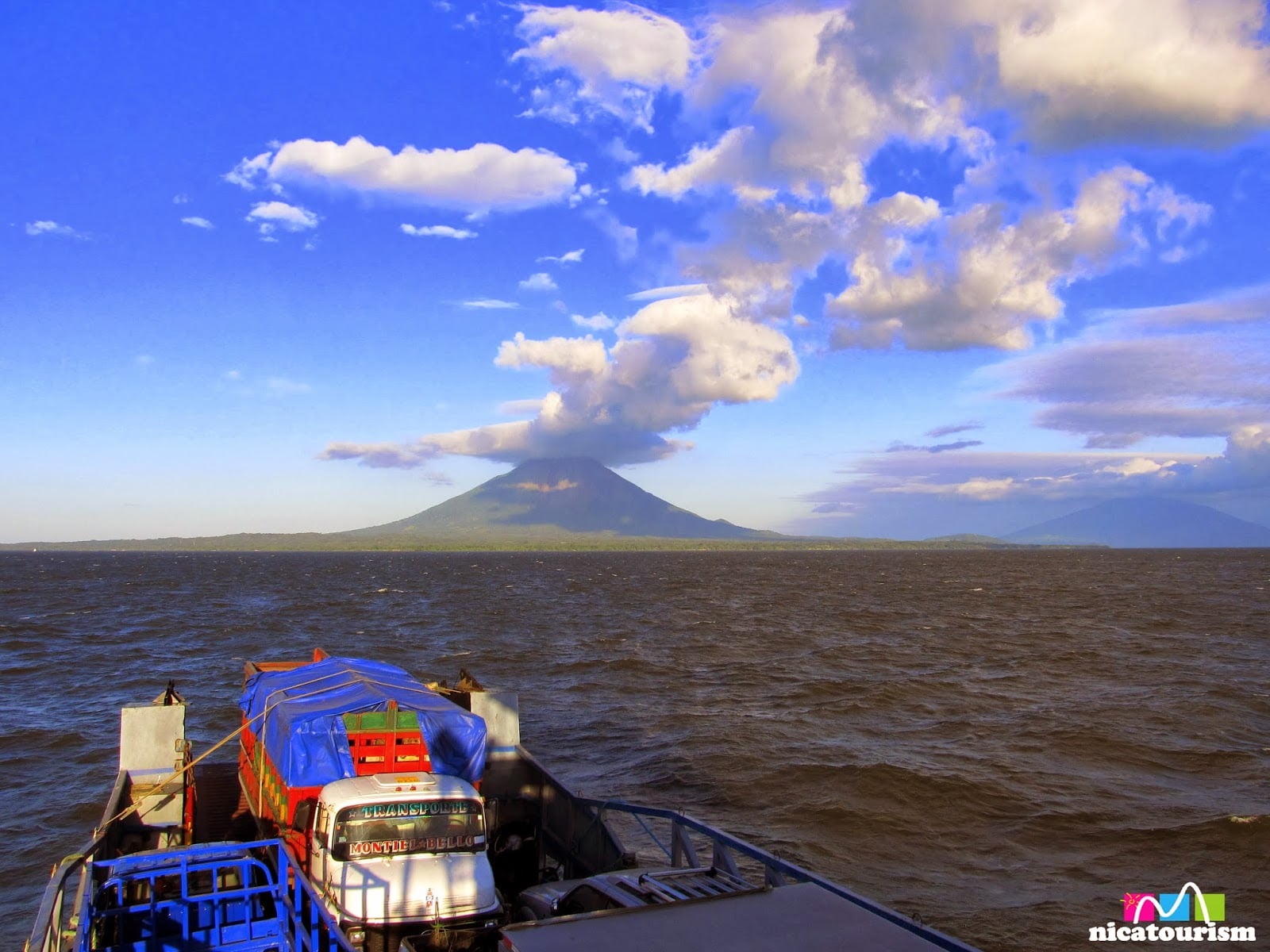
We hopped on the 4 p.m. ferry from San Jorge, Rivas, Nicaragua en route to the island of Ometepe.  This, as you might now, is a fresh water paradise – an ecological gem outstanding in the 10th largest lake in the world (Lake Nicaragua or Lake Colcibolca).

We hopped on the Che Guevara boat.  It holds up to 14 vehicles and 150 passengers.  The fares are: C$800 per vehicle round trip (plus C$81 tax each way) and C$80 round-trip per person (there is a córdoba (C$) conversion tool on this page to see dollar prices).

It was a choppy ride but not too bad on a big boat like this one.  We arrived an hour later at Moyogalpa and drove off…a weekend of adventure ahead of us on Ometepe!!

Nos metimos al ferry de la 4 p.m. desde San Jorge, Rivas, Nicaragua en ruta a la isla de Omtepe.  Esta isla es un paraíso ecológico, rodeado de agua dulce – el décimo más grande en todo el mundo – El Gran Lago de Nicaragua o Cocibolca.

Fuimos en el ferry ‘Che Guevarra’.  Caben hasta 14 vehículos y 150 pasajeros.  El pasaje vale C$800 por vehicle (ida y vuelta) más C$81 córdobas de impuestos por cada vía.  Luego, cada pasajero paga C$80 ida y vuelta (hay una herramienta de conversión de monedas en esta página).

El lago estaba algo bravo pero bastante manejable por el tomaño del barco.  Llegamos una hora después a Moyogalpa y nos fuimos…un fin de semana de aventura nos espera en Ometepe!!!

Las Salinas – Rancho Santana


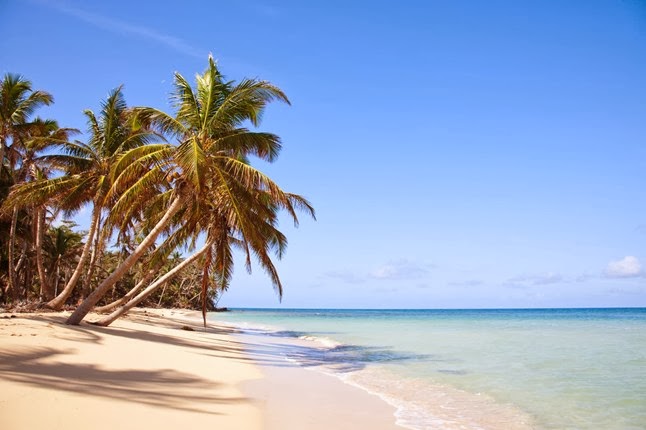
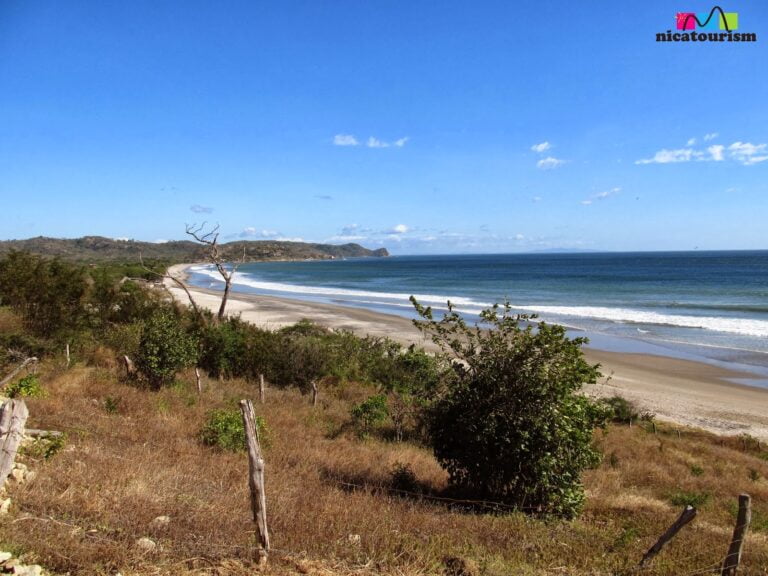
You want nice beaches?  They don’t get better than this one in Las Salinas, Rivas in Nicaragua, looking on towards Rancho Santana.

¿Vos querés playas bonitas?  No hay muchas mejores que estas en Las Salinas, Rivas en Nicaragua, hacia Rancho Santana.