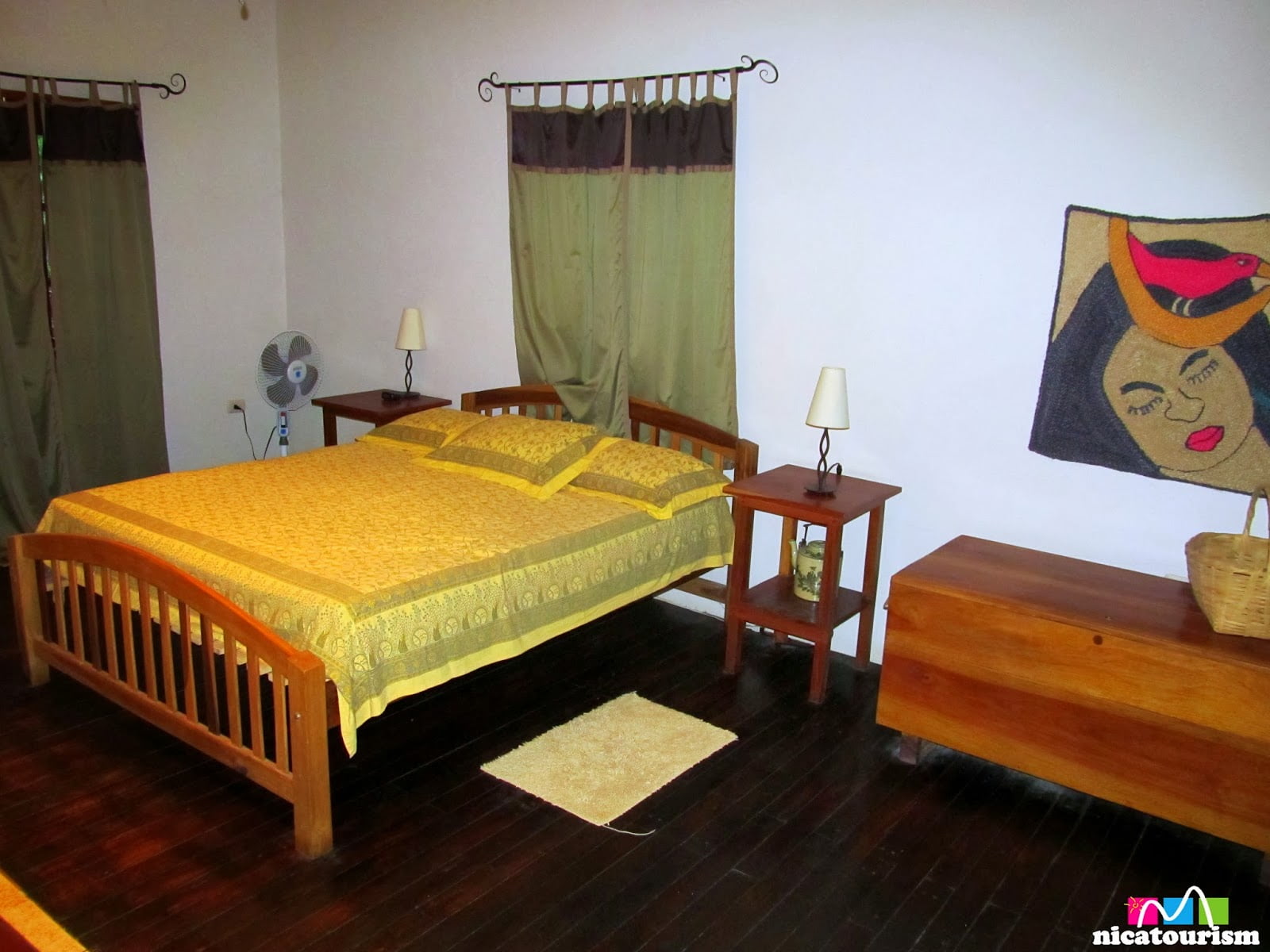
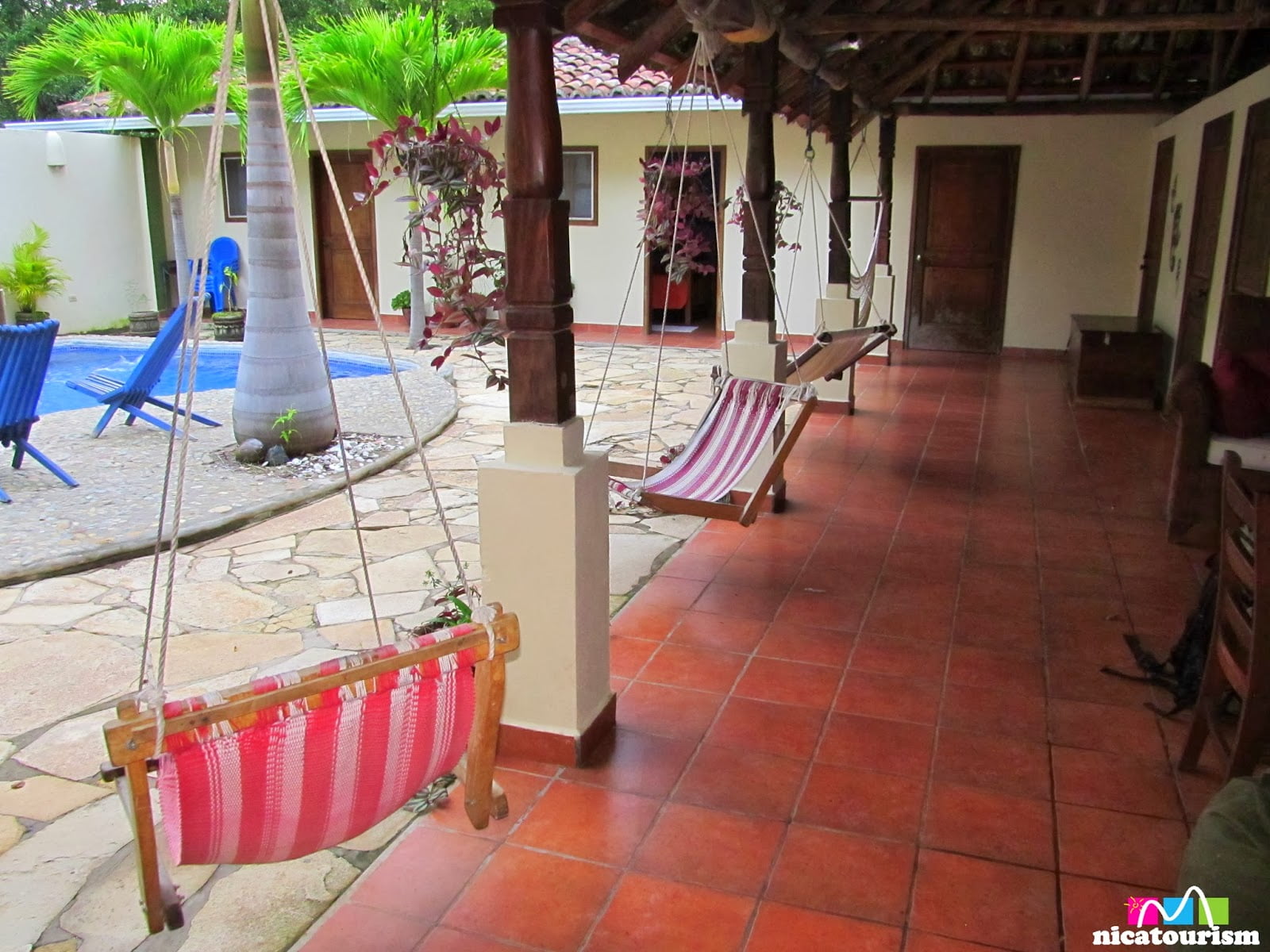
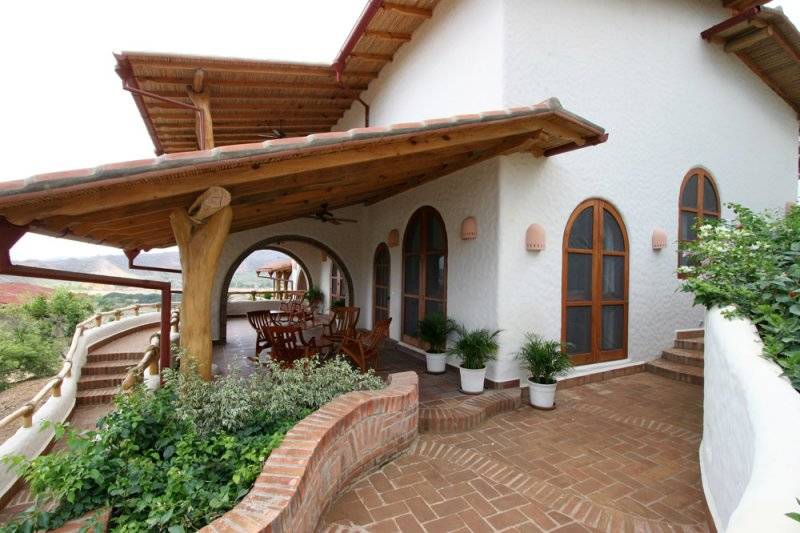
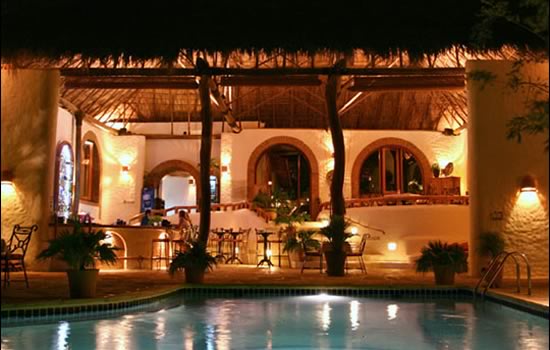
We spent a couple of days at Casa Marisombra in the Hacienda Iguana Golf & Beach Club in Tola, Nicaragua. Hacienda Iguana is a gated community with 24-hour security on one of the excellent beach areas that Nicaragua offers. Most of the houses are privately owned. Many are available for weekly and monthly rentals. There is a restaurant and beach club with food offerings as well.
There is also a 9-hole golf course designed by Niels Oldenberg, carefully blended into the natural beauty of this reserve.
There are 8-10 foot breaks in two particular spots on the mile-long beach.
It is a wonderful place to spend a week (or just a weekend like we did). If you plan to go to the beaches in Tola, make sure you check out Hacienda Iguana.
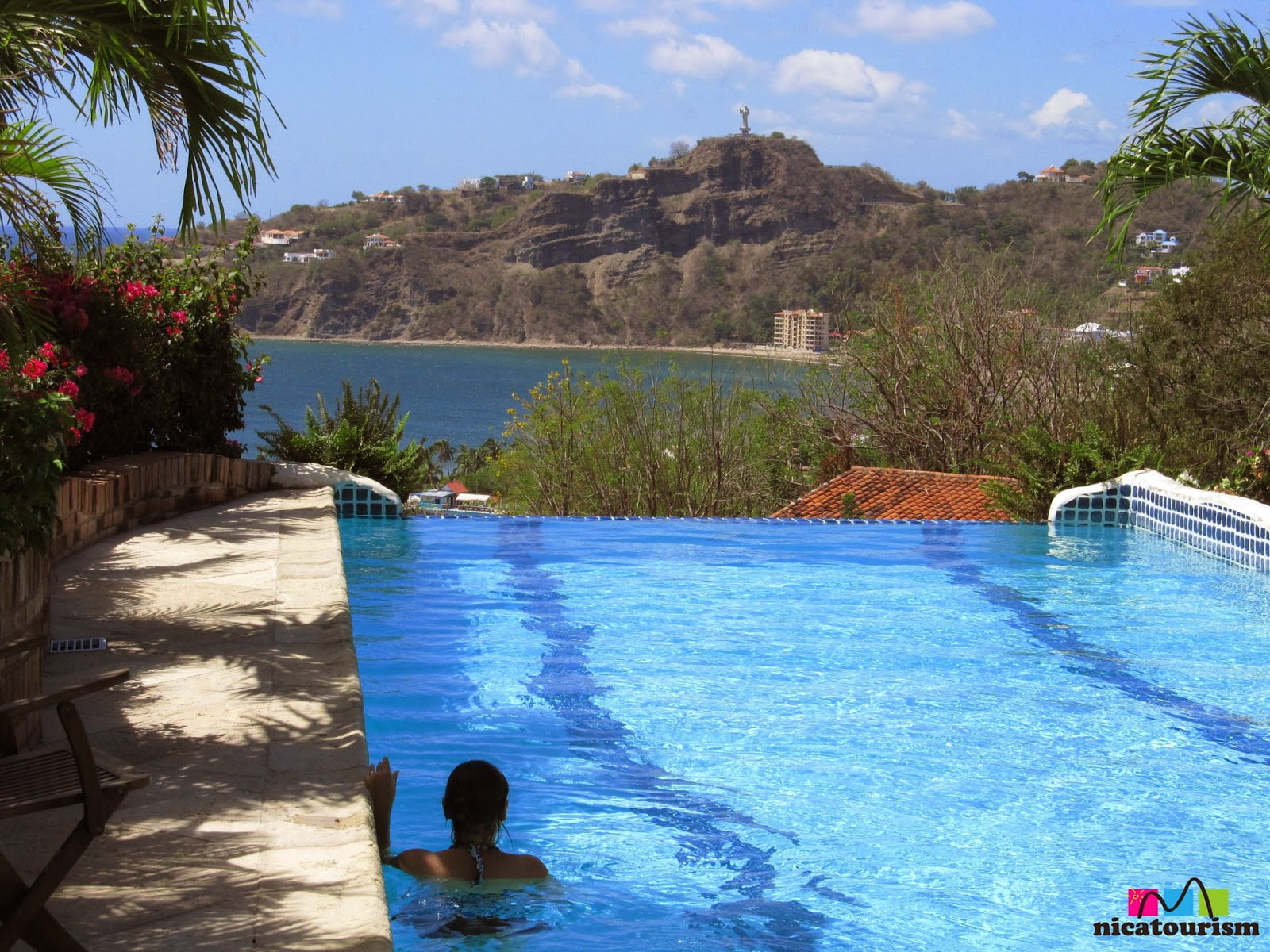
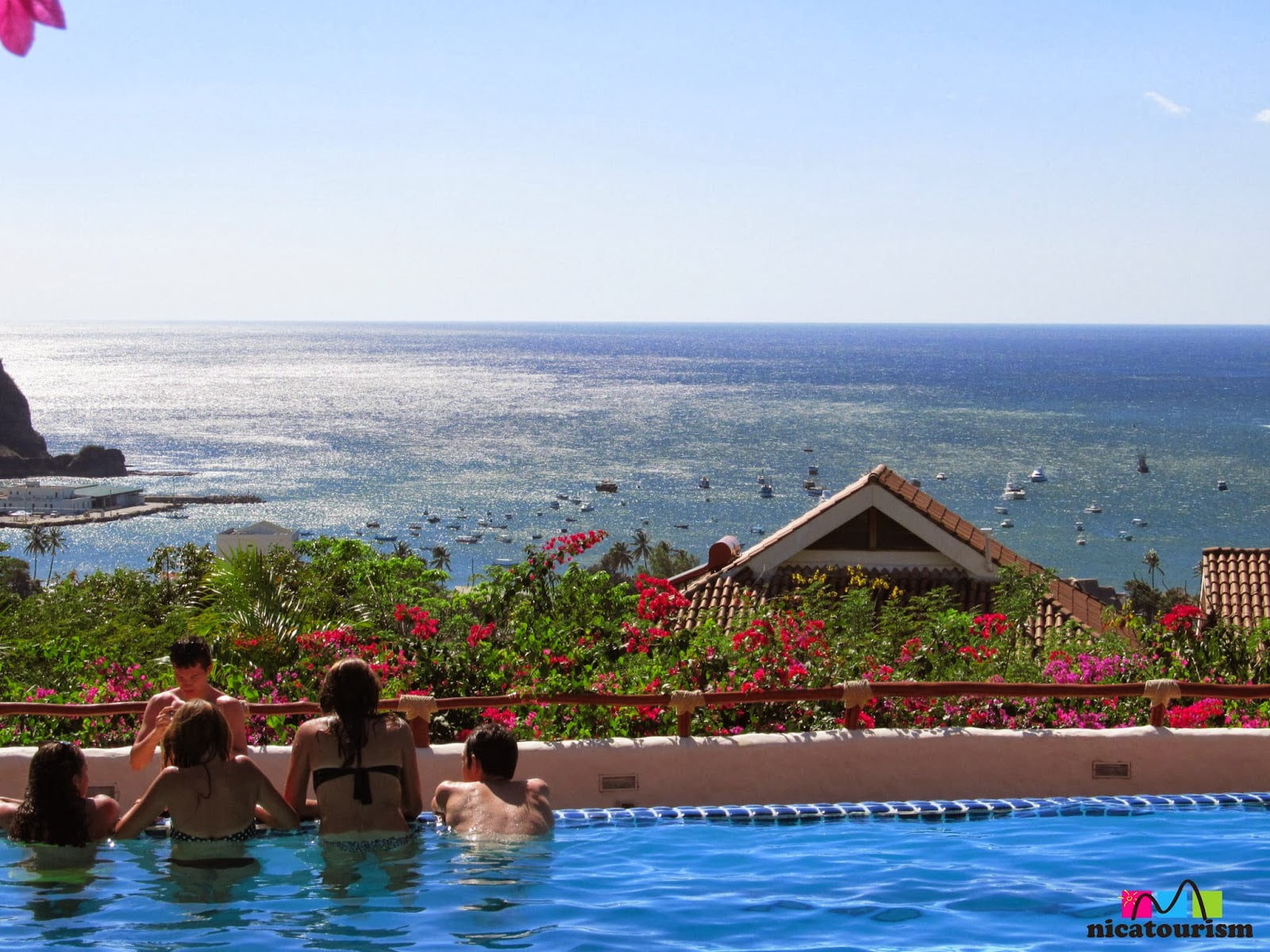
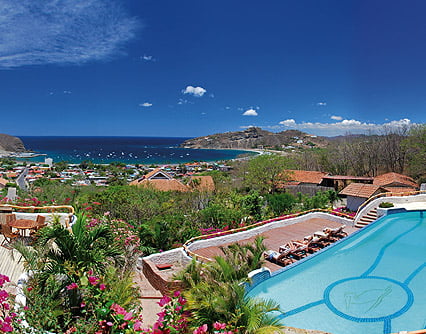
If you are going to spend a few days in San Juan del Sur, save up a few bucks and go to Pelican Eyes resort. It is awesome! You aren’t going to have a much better view of the San Juan bay than from here and one of it’s three infinity pools. This place isn’t cheap but it has great food and service. A first class project all the way!!!
In off peak season, rooms start at $180 a night. However, there are some packages on their website that come out a bit cheaper for longer stays. Check it out!!!
Si pensás estar en San Juan del Sur, Nicaragua por unos días, recogé unos ‘riales’ y andate al resort Pelican Eyes. Es tremendo!!!! No vas a encontrar un vistazo de la bahía de San Juan del Sur mucho mejor que este, especialmente desde una de tres piscinas ‘infinity’. No va a ser barata tu estadía aquí pero la comida y servicio son tremendos. De primera clase!!!
En temporada baja, la habitación vale $180+. Sin embargo, hay otros paquetes disponibles en el sitio web que son más baratos por estadías más largas.
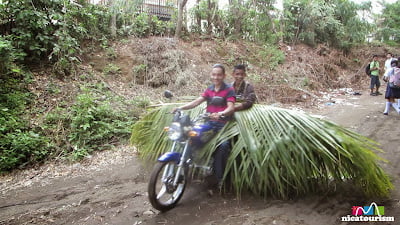
In the dusty, unpaved streets of Jocote Dulce neighborhood in Managua, Nicaragua, lives Don Chicharrón — the most creative (and probably craziest) street sweeper in the country. Every morning at 5:30 AM, when roosters are still preening their feathers, he bursts out of his tin-roof shack riding his secret weapon: a rusty 1980s Yamaha 125 motorcycle he affectionately calls “La Diabla” (The Devil).
Palm Trees as High-Speed Brooms
While normal sweepers use regular brooms, Don Chicharrón has invented a Central American circus act. He guns “La Diabla” down the main street, kicking up a dust cloud the size of a hurricane. Then, mid-race, he grabs the flexible fronds of the royal palm trees lining the roads and yanks them down like giant whips. Wham! The palm leaves sweep the dirt at 40 km/h while he zigzags through potholes like a rally car champion.
Neighbors: Half Terror, Half Admiration
Doña Chepita, who sells fresh drinks on the corner, calls him “a blessed danger.” Once she saw him rip off an entire palm branch and use it as a mega-broom while yelling “Take that, you cursed dust!” The neighborhood kids worship him with nicknames: “Palm Cowboy,” “Moto-Sweeper,” and my favorite: “Tropical Terminator.”
La Diabla: More Partner-in-Crime Than Motorcycle
This Yamaha has a personality of its own. When Don Chicharrón needs extra speed for his “flying palm” technique, he slaps the gas tank and whispers, “Come on, black girl, don’t fail me now!” Shockingly, the bike responds. Local mechanics swear that rusty beast runs on pure brujería (witchcraft) — surviving without proper brakes, with a broken exhaust, and oil that looks like motor soup.
Sunset Ritual and Rosquilla Rewards
By 4 PM, when Managua turns into an oven, Don Chicharrón completes his victory lap. Jocote Dulce’s streets shine (well, relatively). Neighbors pay him with smiles, a few córdobas, and most importantly, freshly made rosquillas. “No rosquillas, no sweeping tomorrow!” he jokes, settling under a jícaro tree to devour his hot reward.
The Legend Spreading Beyond Jocote Dulce
Rumors swirl that Don Chicharrón plans to franchise his revolutionary method to other neighborhoods. Word is he’s practicing with coconuts as “cleaning projectiles” and wants to install a recycled toilet-water sprinkler system. Managua will never be the same.
🏍️ El Barredor Más Loco de Managua
Don Chicharrón y su batalla diaria contra el polvo
En las polvorientas calles sin asfaltar de Jocote Dulce, Managua, vive Don Chicharrón, el barrendero más creativo (y probablemente más loco) de toda Nicaragua. Cada mañana a las 5:30, cuando los gallos aún están rascándose las plumas, Don Chicharrón sale de su casita de lámina con su arma secreta: una Yamaha 125 oxidada de los años 80 que él llama cariñosamente “La Diabla”.
La técnica revolucionaria de las palmeras voladoras
La mayoría de los barrenderos usan escobas normales. Don Chicharrón, no. Su método es digno de un circo centroamericano: primero acelera “La Diabla” por la calle principal, levantando una nube de polvo del tamaño de un huracán. Luego, en plena carrera, agarra las ramas flexibles de las palmeras reales que bordean las calles y las dobla hacia abajo como látigos gigantes. ¡Zas! Las hojas barran el suelo a 40 km/h mientras él hace zigzag entre los baches como piloto de rally.
Los vecinos, mitad terror mitad admiración
Doña Chepita, que vende frescos en la esquina, dice que Don Chicharrón es “un peligro con bendición”. Una vez lo vio arrancar una rama entera de palmera y usarla como escoba gigante mientras gritaba “¡Toma polvo, maldito!”. Los niños del barrio lo idolatran y le han puesto sobrenombres: “El Vaquero de las Palmas”, “Moto-Palmero”, y mi favorito: “El Terminator Tropical”.
La Diabla: más que una moto, una socia de crimen
La Yamaha tiene personalidad propia. Cuando Don Chicharrón necesita más velocidad para “volar” las ramas de palmera, le da una palmada al tanque y le susurra “¡Venga, negra, no me falle!”. Sorprendentemente, la moto responde. Los mecánicos del barrio juran que esa máquina tiene chamba bruja porque sobrevive sin frenos decentes, con escape roto y aceite que parece sopa de motor.
El ritual del atardecer y las rosquillas de premiación
A las 4 de la tarde, cuando el sol convierte Managua en un horno, Don Chicharrón termina su ruta triunfal. Las calles de Jocote Dulce brillan (bueno, relativamente). Los vecinos le pagan con sonrisas, alguna córdoba y, lo más importante, rosquillas recién hechas. “Si no hay rosquillas, no hay barrido mañana”, bromea mientras se sienta bajo un árbol de jícaro a devorar su recompensa calientita.
La leyenda que trasciende Jocote Dulce
Ya hay rumores de que Don Chicharrón planea expandir su método revolucionario a otros barrios. Dicen que ha estado practicando con cocos como “proyectiles limpiadores” y que quiere instalar un sistema de riego con agua de pilas sanitarias reciclada. Managua nunca volverá a ser la misma.
I was able to take this panoramic shot outside of Managua from the carretera suburbana, just a little to the west of San Judas in Managua. Managua is indeed beautiful…from a distance! Click on it to see it a bit bigger. It’s worth it!
Logré tomar esta foto de vista panorámica en las afueras de Managua desde un punto sobre la carretera suburbana, al oeste del barrio San Judas de Managua. Está bella la ciudad de Managua…de una distancia. Hace clik en la foto para agrandarla. ¡Vale la pena!
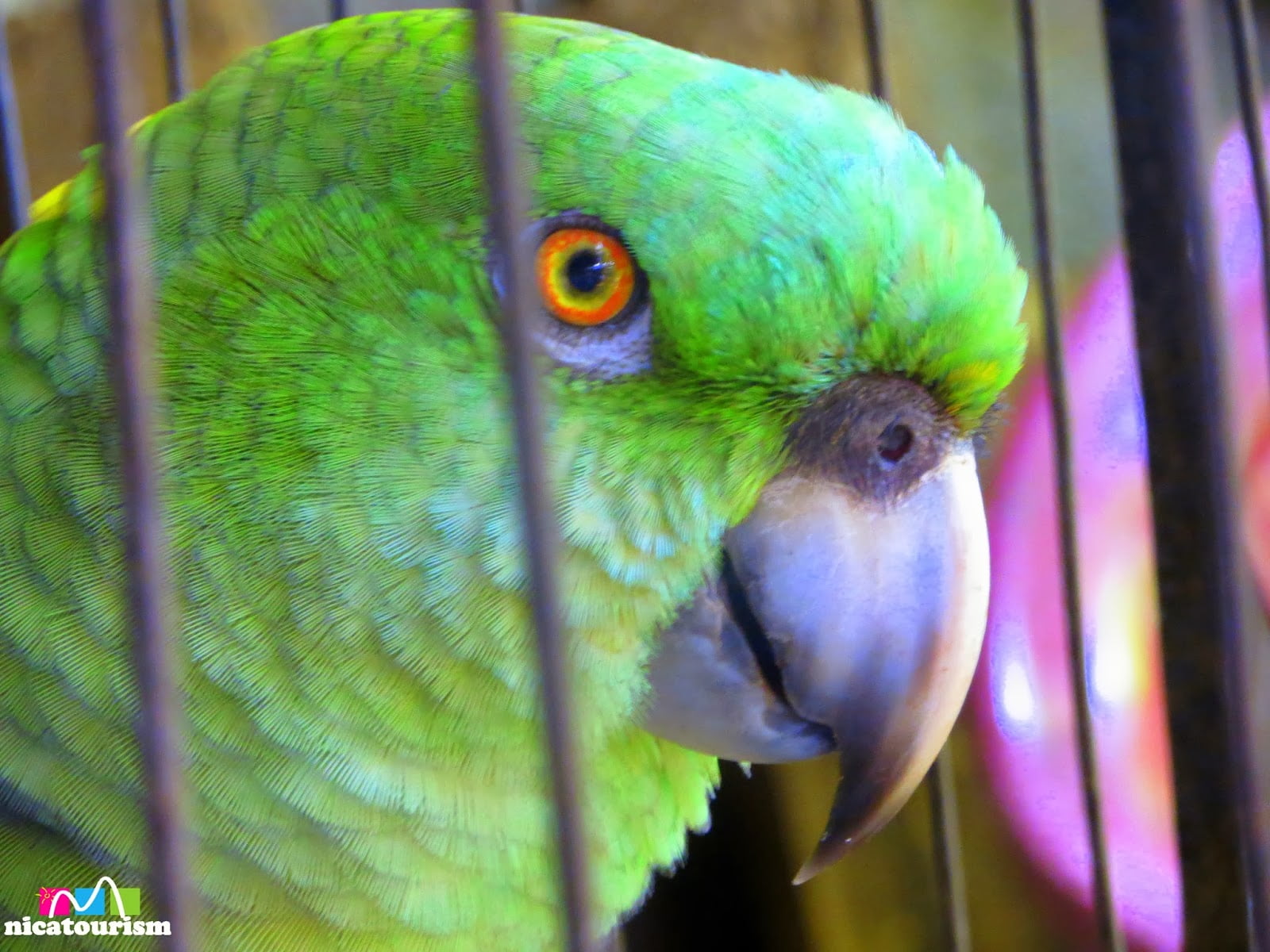
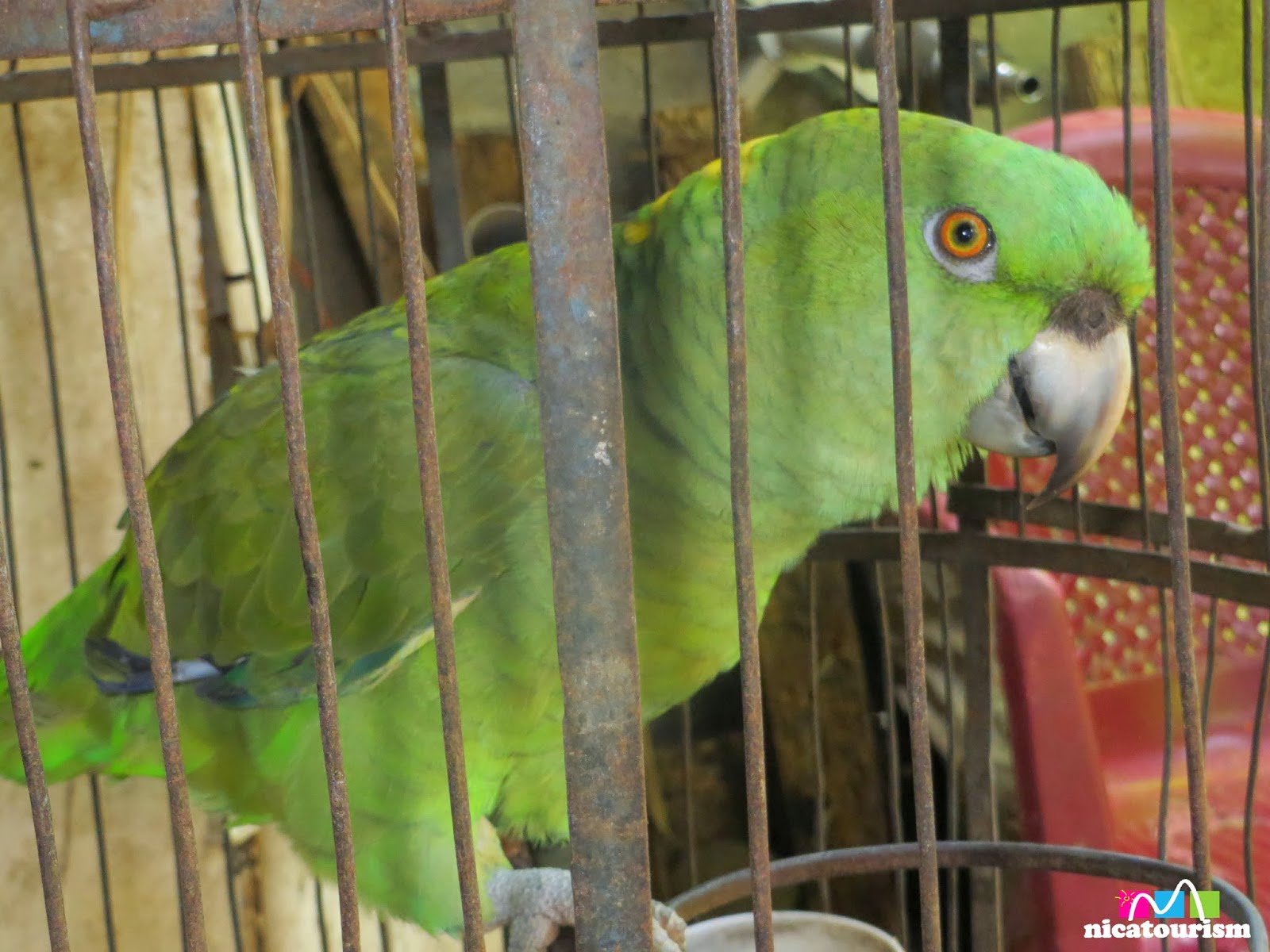
Green parrots are very popular pets in Nicaragua. They generally receive one of a few common names. Here’s the list (with a few exceptions): Rosita, Lorita, Lorena. If you have other names, please leave comments below. How can you get one of these? Just ask around…you will be directed to someone who is selling theirs or to someone who can find a seller.
Chicken soup is good…but the chicken soup in Nicaragua is off the charts! As you can see it includes a variety of vegetables such as yucca, baby corn, ripe plantains, cabbage, chayote, squash and quiquisque. After being cooked together, the chicken and veggies are separated on a place, the broth is served in a bowl and rice is used as garnish. Yummy!
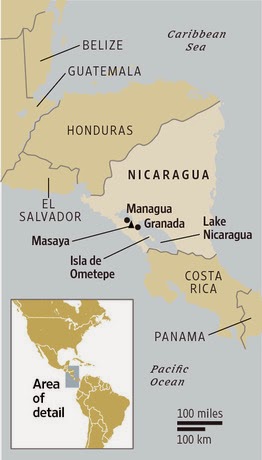
This is part of a series in which Americans age 50-plus profile their adopted overseas locales. Send us your suggestions atencore@wsj.com. Each new day in this nearly 500-year-old city is greeted with a symphony of crowing roosters, the clippity-clop of horse-drawn carriages, and barking dogs. My wife and I moved here, to Granada, Nicaragua, three years ago after living in Costa Rica for two years. Located on the northern shore of Lake Nicaragua, Granada is a flat city of narrow streets and endless, brightly colored walls, some of which are hundreds of years old. These walls are interspersed with occasional doors, some fancy, some plain, behind which can be anything from a palace to an earthen-floored shack. Often referred to as the “City of Doors,” Granada is a wonderful town for walking and bicycling, as it features restaurants, shops and markets down every street. Our decision to move to Central America in 2008 was tied in large part to health care. We retired when we were both 62, but Medicare isn’t available until age 65. Therefore, we decided to leave the U.S. during this gap and seek good, affordable health care in a new environment. Costa Rica certainly qualified in that regard, but Nicaragua has turned out to be even better. We chose Granada because of its beauty and proximity to the highly regarded Hospital Metropolitano Vivian Pellas, about 45 minutes away on the outskirts of Managua. Health care here is as good as, if not better than, anything we had in our native Tennessee—and a fraction of the cost. All that said, we didn’t take our move here lightly. Like many others, we initially envisioned Nicaragua as war-torn, desolate and dangerous. The reality is something quite different.
Friendly People
The list of pleasant discoveries would begin with the people, some of the friendliest we’ve encountered anywhere. For the most part, the locals have met the gradual influx of expats, especially retirees, with open arms. Many are aware of the boon to the economy that we represent, and are tolerant of our feeble attempts at Spanish. Many of them speak good English, besides. Language, thankfully, hasn’t been much of an issue.
With the exception of electricity and gasoline, expenses here are remarkably low. A good haircut can be had for about $2, and a filet mignon dinner at one of the nicer restaurants will cost about $10. Taxis will take you from one end of town to the other for 45 cents (we don’t own a car), and a cold beer will run less than a dollar. We rent a nice apartment that includes a swimming pool, pavilion and a garden filled with fruit trees. (Bananas, mangoes, avocados, lemons and coconuts are available for the picking when in season.) Our monthly budget—which includes rent, utilities, food, medications and miscellaneous items—is about $1,800. For those who want something more permanent, property is readily available and easily bought. A typical day for us might include visits and meals with friends, excursions to nearby attractions, attendance at any number of cultural happenings, baseball games, leisurely walks or simply enjoying our home. Getting back to health care, we pay out of pocket for all services and medications. Fees are about 20% to 30% of what they would be in the U.S. For instance, an office visit to our doctor is $15, and we get his undivided attention for as long as it takes. (He even makes house calls for the same price.) Vivian Pellas hospital accepts several international insurance plans (but not Medicare) and offers two discount plans of its own that, depending on one’s age, offer considerable savings.
We often are asked about safety and security. We use common sense and feel comfortable wandering the city’s streets at most any time. The prevailing wisdom is to carry little money, wear no expensive jewelry and use taxis to get around after 9 p.m. Until that hour, most families have their rocking chairs by the sidewalks after dinner to visit with neighbors and enjoy the evening breeze.
Heat Factor
The major drawback for us is the heat. Nicaragua has only two seasons, wet and dry, and the temperatures can be oppressive during both. The rainy season runs from mid-May until mid-December and offers little relief. Then there is the poverty. Only Haiti is poorer among Latin American countries. Nicaragua has a massive lower class—probably over half the population—and very little seems to get done by the government to benefit the poor. A goodly portion of Carol’s and my retirement funds go to local charities. Lastly, Nicaraguans are notoriously indifferent to timetables. A workman scheduled to appear at noon might, in fact, appear at noon. Or he might appear tomorrow. Or next Tuesday. Or not at all. Patience is a virtue. We haven’t been back to the States since we left and have no plans to go soon. We have had several stateside friends visit, and have received promises from several others. As we tell them all: “Come on down. The beer’s cold, and the door’s always open.” Mr. Lynch lives in Granada, Nicaragua. Email him at encore@wsj.com .
The lobster trawlers bob like toys in a bathtub, tipping to and fro with every swell of gray sea. I watch from a crowd of Nicaraguans about to board the day’s last panga, or public ferryboat, wondering whether the storm is as bad as it looks. The word I keep overhearing is “angry.” In Spanish, English and a Creole that sounds like English flipped inside out and set to a beat, everyone’s calling the sea — our only highway — angry.
Travel Guide 2013
MAY 16 Advice on the guide books versus Apps, the use of electronics on planes and more practical trips for savvy globe trotters.
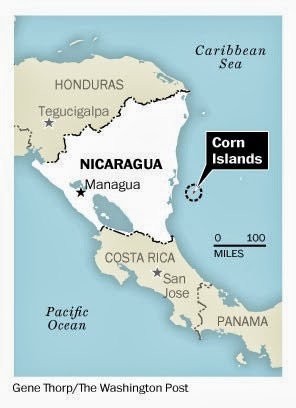
Such is the medley of languages 40-some miles off the coast of Nicaragua, on the Corn Islands. For centuries, these two landmasses — faint crumbs on the Caribbean map — had little to do with mainland Nicaragua. They were pirate territory, coconut-tree-lined refuges for the likes of the ruthless privateer Captain Morgan. Details: Corn Islands It wasn’t until 1894 that Nicaragua claimed these fringe islands, but with no roadways linking the capital to the marshy eastern coastline, the Corns remained a world apart. To this day, islanders still bear surnames such as Quinn and Campbell, play more reggae than salsa, and every August, around the 27th, the day the slaves were emancipated, they crown another local beauty island queenla at a festival featuring crab soup. There’s a Big Corn and a Little Corn, and the traveler’s first quandary is to pick her Corn. I say quandary, because these islands are different in both style and scale (“big” means 6,000 people; “little” fewer than 1,000) and what separates them is about 10 miles of often turbulent sea. My plan was to depart for Little Corn as soon as my puddle jumper landed on the bigger island. The reason was simple: In every story I’d read about Little Corn, the writer sounded a little shocked by how totally the place calmed him. Clearly, Little Corn cast a particular spell. But watching palm trees bend back in the rainy wind, I wonder: Do I really need to sleep in Eden tonight? Do I even believe in one? A place so calm it could chill even me out? I’m good at motion; I get off on reaching the map’s outer edge. Hunkering down under a pretty tree once I get there, however, is a lot, lot harder. “Hurry!” Our captain cuts off my doubts and sends us all running with fire-drill panic toward our thrashing panga boat. I’m seasick before it leaves the dock. My seat puts me between a jumpy man and the open sea. Trying not to look at the great girth and rolling height of each gray wave, I clutch the flapping plastic tarp that is our boat’s umbrella, very ready to hear “land-ho.” At last, the captain takes aim at a skinny band of beach, and we’re told to leap off the back of the panga, toward the kelp-strewn sand. Someone points out the sunset, but heads are down, nausea pervasive. I take a quick look: The sun is a gold blotch, bleeding pink into the wooly wreath of clouds. It could hardly look more distant, well on its way to the west of Nicaragua. To the lighthouse There are no cars on Little Corn. No buzz of motorcycles, no throttle or honk of any sort disturbs the air. You hear just two things as you wind around the cement footpath that is this island’s only thoroughfare: the crash and withdrawal of waves.
Page 2
Waves awoke me early, in a cerulean blue shack perched above the southern shore of Little Corn. Such is lodging at Casa Iguana, which borrows well from the palette of Corn Island homes — creamy purple, cool turquoise, the deep yellow of ripened mango. It’s tucked back in a carefully manicured jungle, where hibiscus vines dome over damp dirt pathways. My shack-for-one, rustic and yet so ready for me (flashlight, mosquito net, three novels in a pile), invited the delusion that I could just stay here and live, overlooking an empty beach. So did the mood at the communal dinner. A ringleted blonde on the staff handed me a basil mojito, then plantain chips (on the house!). The catch of the day was cooking somewhere, as guests pattered in, barefoot. A Californian named Blake struggled to tell me when he’d arrived — “Tuesday?” How soon I could feel the complete dissolve of home’s priorities. Was it ludicrous to ask about a wireless signal here, where fireflies beaded the darkness and pirates once strung up hammocks?
Travel Guide 2013
Advice on the guide books versus Apps, the use of electronics on planes and more practical trips for savvy globe trotters.
I did, only to wish that I hadn’t. The last thing one should gaze into from Little Corn Island is a full inbox. I shut the hotel laptop and drifted back toward the dinner table, where everyone was talking scuba. Corn Island travelers chat about diving conditions the way bankers discuss stocks — everything here hinges on the clarity of the sea. A non-diver, I couldn’t get into it, so I wandered off into the inky dark toward my abode, intent on exploring Little Corn first thing in the morning. It’s early — profanely early — when I step outside. With neither a watch nor a phone, I read the only available time clues: bare feet dangling from hammocks, and a few toes peeking out from shored boats. It’s the crack of dawn on Little Corn Island. Harris is the first alert person I meet. An older man with the muscles of a sailor, Harris is scraping the scales off a yellowtail snapper, as the waves curl toward the sand just behind him. A native of the island, Harris assures me that I’ve come to the better Corn. Why? “Children can run around without the scare of cars.” The foot traffic is gentle as I step back onto the path, and without meaning or trying, I merge with Ronald and Richard. Both 21, both wearing baggy jeans to their shins, and both members of an Afro-Caribbean group called Garifuna, Ronald and Richard could pass for twins. Their native language, a mix of Arawak, Carib, English, French and Spanish, speaks to how many cultures fused along the Atlantic coast of Central America. It’s dizzying to keep up with these polylingual young men. Ronald and Richard salute passersby in Creole (“Yow bigs!”), echo back a few holas, and flip between singing American rap, Latino pop and Bob Marley like a radio on scan. There’s something familiar about my dynamic with these two, and I put my finger on it only after we’ve wedged through barbed wire fences, crossed a cattle pasture, and lobbed bruised mangoes up at a tree until it gave us the fresh ones, and we’re standing below a lighthouse that Ronald and Richard gently dare me to climb. Childhood: It all reminds me an awful lot of life at age 11. Maybe that’s the sort of paradise I’m in the mood for, more than the Eden of escape, the one that loops you back to a simpler, playful time.
The Little Corn lighthouse is no innocent dare, though. You climb it the way you would a ladder — straight up. And if you happen to have just peeled a sticky mango, it feels more like three grip-resistant ladders, back to back. “Take your time, take your time,” coos Ronald, ahead of me. Moving slowly is an expected theme on any Caribbean island, but I have to wonder, the sixth time Ronald repeats his mantra, whether slowness is more like a virtue on the Corns.
Travel Guide 2013
Advice on the guide books versus Apps, the use of electronics on planes and more practical trips for savvy globe trotters.
I’m doing okay until the brightness strikes. A wash of light means that we’ve cleared the tree line. We are higher than the tallest coconut trees on Little Corn Island. Take your time, take your time. My breathing gets loud, my pauses long. At last, my sticky hand finds the platform. It’s round and towering, like a crow’s nest. Inhaling, I taste salt — the ocean is that close. Land hogs so little of this panorama, the island’s outline hugging us tightly. Little Corn is a single comma on an otherwise blue sheet. Many other things keep this Corn feeling little, and the lighthouse is a prime place to take stock: no hotel pools, no tennis courts, nothing taller than two stories. A boutique hotel called Yemaya is under construction, I’m told, but the plans sound small-scale, unlikely to upset the island’s treetop-to-rooftop ratio. My gaze drifts offshore, to the marbled waters that distinguish Corn Island beaches in photographs. It’s a curious patchwork of navy and aqua, like two different oceans, about to mix hues. But the contrast only intensifies as the sun does; by midday it’s a stunning patchwork, some mirage of the sea, or in my case, a summons to slip underwater. Getting it right Walk down the beach; look for a boat; find the guy who takes out snorkelers; bring $20. The snorkeling guy isn’t around, but I do find men drinking 11 a.m. beer in the shade. One of them is Harris, from the other side of the island, which felt like a great coincidence, until I remembered that the “other side of the island” was what we’d call, anywhere else, “next door.” Little Corn is little more than one square mile. I beam at my old friend (Harris!) and he responds in kind, offering to take me snorkeling. What makes hospitality in the Corns so disarming is how uncalled for, in context, it feels. In a place this idyllic, no one has to be nice. And Harris certainly doesn’t need (nor will he accept) my $20 bill. He owns both a hotel and the lobster trawler on the horizon. Is it possible? Could Harris just care that I snorkel? The men in the shade set down their beers, rise to their feet, and push Harris and me off the beach in a motorboat called the Sea Prince. The water glints with so much light that I have to visor my eyes with one hand, and it’s clear enough to count the mustard-colored patches of corals, to see every ripple in the white sand below. Hours from now, I will feel like a cooked lobster — the skin on my back the most alarming shade of pink in the palette — but right now, barefoot and bikinied and leaning forward on the tipped-up bow of a speeding boat, I feel like the Sea Queen.
I don’t tell Harris about my phobia of ocean swimming — a fear of fish (and worse) nibbling at my feet. I don’t have to, it turns out, because snorkeling in water this clear is the perfect cure. Head submerged, I can see it all, the swerving and darting and breezy wafting of every size of fish. How silly: to think that my plain white toes could garner any attention down here. A school of jet-black fish with long whiskers and shimmery blue stripes turns past me with the clean synchronicity of ballerinas, and my hands stretch right out. Apparently, I want to pet them. Harris spots a barracuda, and that’s enough to get me wriggling back into the Sea Prince. Besides, my time is short — I’m catching the afternoon panga boat back to Big Corn. This bothers Harris. “You’ll have to come back,” he says, shaking his head at my haste.
Travel Guide 2013
Advice on the guide books versus Apps, the use of electronics on planes and more practical trips for savvy globe trotters.
But as I scamper down the beach and grab a loaf of coconut bread from the little pink house that everyone agrees is the place for the baked variety of “coco food,” I feel secretly as if I got it right. Perhaps the perfect time to leave is just before the sunburn shows, before the waves dull into white noise, before I run into Harris a third time. Maybe it’s best to get on your way, right when you’re tempted to call a place perfect? A round of lobster I’m encased in red heat by the time I reach Big Corn. New freckles are menacingly dark. Quick movements hurt. I give up all ambitions of meeting the island beauty queen and finding the descendants of pirates, and let the end of my journey be about one thing: lobster. There’s a dish called rondon that brings the flesh of fresh lobster together with the milk of local coconuts, simmers the pairing in garlic and herbs, adding a full medley of Central American starches and sometimes, another whole fish. It sounds to me like a dinner that I’ll one day tell my grandchildren about. I pick a hotel on the basis of the owner’s culinary reputation, overlooking its position beside a fish-processing plant. The plant’s constant thrumming reminds me that I’m now on the “working island,” as people call Big Corn when differentiating between the two isles. I’m willing to forgo both scenery and serenity for a taste of the best lobster stew. Rondon cooks so slowly that I have to put in my order at breakfast. Still, when I slide onto the barstool of the hotel restaurant after noon, I’m told to wait. I remember the warning I read on a local tourism Web site: “Order before you’re hungry.” Someone really should clarify: Order a full day before you’re hungry. Two bar stools down sits Cliff, a lumberjack of an American, here to study the practices of lobster divers on Big Corn. Who better to prime me for my feast? We talk about the life span of the lobster: the 20 years that it might spend clicking across the ocean floor before venturing into a Corn Islander’s trap. Nicaragua’s third-largest export is lobster, and the bulk of it, according to Cliff, comes from the shallow continental shelf spreading around the Corns. The kitchen door swings open, and my rondon floats toward me. I see no pink legs, no pincers, no shell whatsoever in my coconut broth. That’s my first praise for how Corn Islanders cook lobster. They understand that the cracking and peeling, all the labor of flavoring, should be done behind the scenes. Nobody wears a bib here, or finishes with a moist towelette. I just slice each lobster morsel into four more, to savor as slowly as possible this expertly slow-cooked stew. I patter back to my hotel room, lobster-hued, lobster-full. Without bothering to hit the lights, I fall right into the local pose, napping with my bare feet dangling off the bed, finally under some kind of spell. Kinder is the author of “Delaying the Real World ” and teaches travel and essay writing at Yale.
People are always asking what fuel prices are in Nicaragua. Here is a shot from October 14, 2013. You get about 25 córdobas per dollar…and those prices are in liters (3.78 make a gallon). So, diesel is 110.34 a gallon. 95 octane gas is 116.95 a gallon. How much in dollars? You can do a conversion here.