Home Blog Page 4

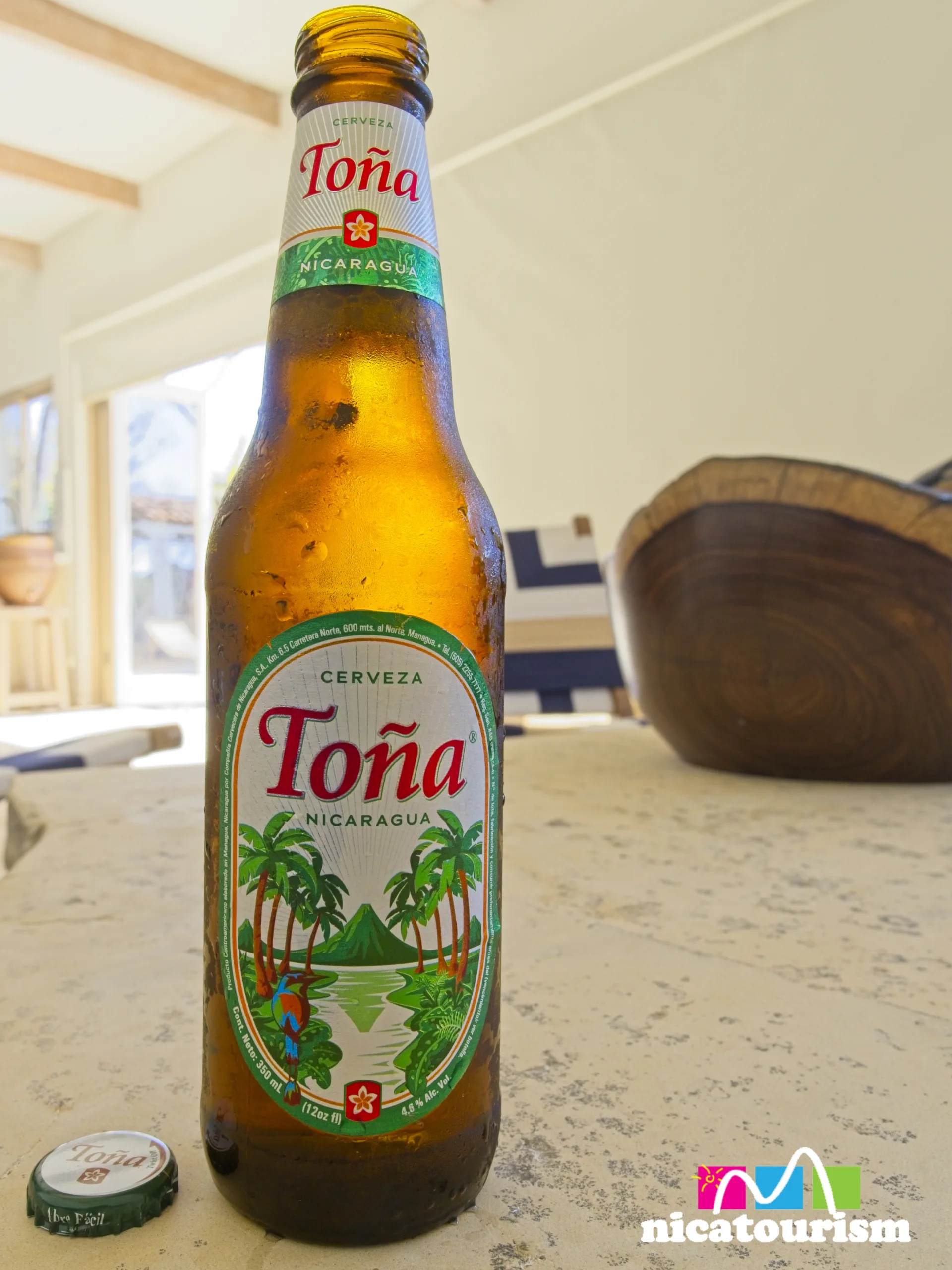
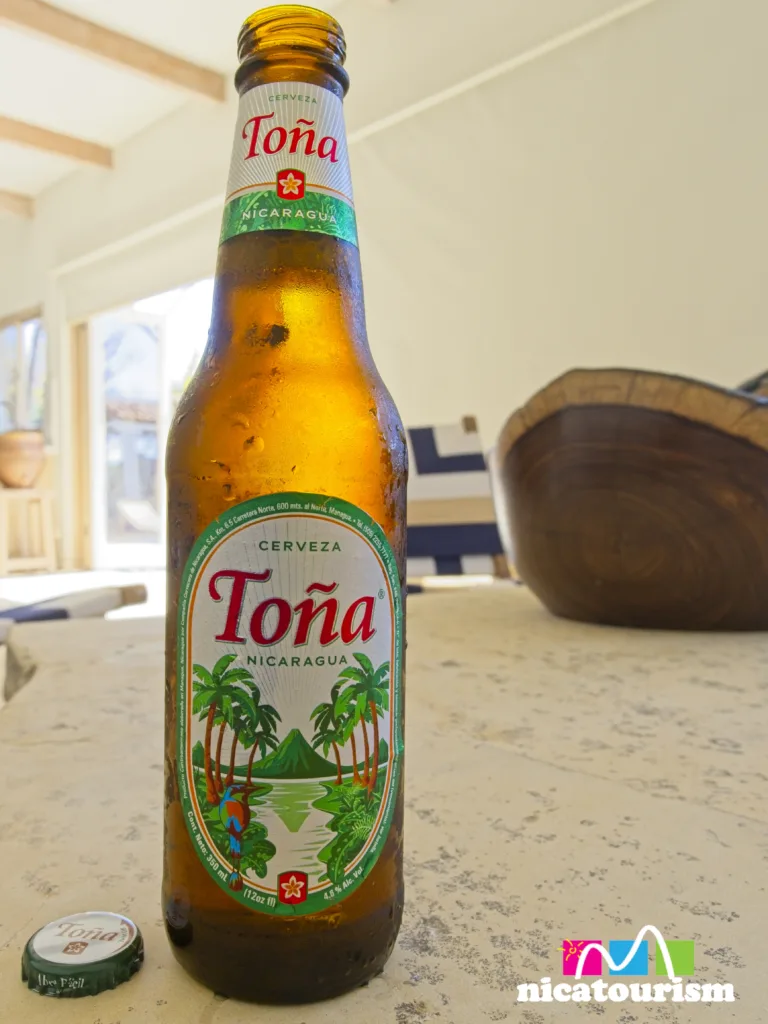
Toña – 1 excellent Nicaraguan beer

Toña beer is a popular Nicaraguan beer known for its crisp, refreshing taste and smooth finish. Brewed by Compañía Cervecera de Nicaragua, it is a pale lager with a light golden color and a balanced flavor profile. Toña is enjoyed throughout Nicaragua and has gained recognition internationally for its quality and consistency.

En español:
La cerveza Toña es una cerveza nicaragüense popular conocida por su sabor fresco y suave. Elaborada por la Compañía Cervecera de Nicaragua, es una cerveza tipo lager con un color dorado claro y un perfil de sabor equilibrado. Toña es disfrutada en todo Nicaragua y ha ganado reconocimiento internacional por su calidad y consistencia.

https://cervezatona.com/

Buy some ice

Toña beer from Nicaragua
A bottle of Toña

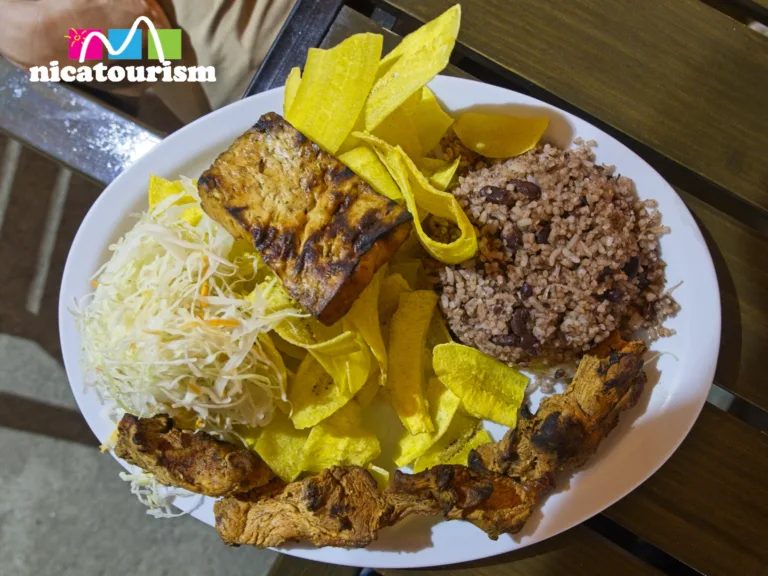
Fritanga – a wonderful typical Nicaraguan food tradition

Exploring the Savory Delights of Nicaraguan Fritanga

When it comes to exploring the culinary landscape of Nicaragua, one cannot overlook the vibrant and flavorful experience that is Nicaraguan fritanga. This traditional dish is a testament to the country’s rich culinary heritage, blending indigenous ingredients with Spanish influences to create a symphony of flavors that captivate the palate.

What is Nicaraguan Fritanga?

Nicaraguan fritanga is a beloved street food dish that embodies the essence of Nicaraguan cuisine. It typically consists of a variety of grilled or fried meats, such as pork, chicken, and beef, accompanied by sides like gallo pinto (a mixture of rice and beans), fried plantains, yuca frita (fried cassava), and cabbage salad. The meats are often marinated in a blend of spices, including garlic, cumin, and oregano, which infuse them with a depth of flavor that is both comforting and satisfying.

The Art of Preparation

One of the defining characteristics of Nicaraguan fritanga is the meticulous preparation that goes into each component of the dish. The meats are carefully seasoned and grilled or fried to perfection, ensuring that they are tender and bursting with flavor. The sides are also lovingly crafted, with each element contributing its own unique texture and taste to the overall experience.

A Culinary Journey

To truly appreciate Nicaraguan fritanga is to embark on a culinary journey through the heart of Nicaragua. Whether enjoyed at a roadside stand or a local eatery, the experience is as much about the sights, sounds, and aromas as it is about the food itself. From the sizzle of the grill to the laughter of fellow diners, every moment spent indulging in fritanga is a celebration of Nicaraguan culture and hospitality.

In Conclusion

This is more than just a dish; it is a culinary masterpiece that reflects the spirit and soul of Nicaragua. With its bold flavors, vibrant colors, and rich history, it has become a beloved symbol of Nicaraguan cuisine and a source of pride for its people. So the next time you find yourself in Nicaragua, be sure to seek out this delectable delight and experience the magic of fritanga for yourself.


Explorando las Delicias Sabrosas de la Fritanga Nicaragüense

Cuando se trata de explorar el paisaje culinario de Nicaragua, no se puede pasar por alto la vibrante y sabrosa experiencia que es la fritanga nicaragüense. Este plato tradicional es un testimonio de la rica herencia culinaria del país, que combina ingredientes indígenas con influencias españolas para crear una sinfonía de sabores que cautivan el paladar.

¿Qué es la Fritanga Nicaragüense?

La fritanga nicaragüense es un plato callejero querido que encarna la esencia de la cocina nicaragüense. Típicamente consiste en una variedad de carnes a la parrilla o fritas, como cerdo, pollo y res, acompañadas de guarniciones como gallo pinto (una mezcla de arroz y frijoles), plátanos fritos, yuca frita y ensalada de repollo. Las carnes a menudo se marinan en una mezcla de especias, que incluye ajo, comino y orégano, que las impregnan con una profundidad de sabor reconfortante y satisfactoria.

El Arte de la Preparación

Una de las características definitorias de la fritanga nicaragüense es la meticulosa preparación que se realiza en cada componente del plato. Las carnes se sazonan cuidadosamente y se asan o fríen a la perfección, asegurando que estén tiernas y rebosantes de sabor. Los acompañamientos también se elaboran con amor, con cada elemento contribuyendo con su propia textura y sabor único a la experiencia general.

Un Viaje Culinario

Para apreciar verdaderamente la fritanga nicaragüense es embarcarse en un viaje culinario a través del corazón de Nicaragua. Ya sea disfrutado en un puesto callejero o en un restaurante local, la experiencia es tanto sobre los vistas, sonidos y aromas como sobre la comida en sí. Desde el chisporroteo de la parrilla hasta las risas de los comensales, cada momento dedicado a disfrutar de la fritanga es una celebración de la cultura y la hospitalidad nicaragüenses.

En Conclusión

Esta es más que un plato; es una obra maestra culinaria que refleja el espíritu y el alma de Nicaragua. Con sus sabores audaces, colores vibrantes y rica historia, se ha convertido en un símbolo querido de la cocina nicaragüense y una fuente de orgullo para su gente. Así que la próxima vez que te encuentres en Nicaragua, asegúrate de buscar esta delicia deleitable y experimenta la magia por ti mismo.

探索尼加拉瓜街头美食的美味之旅
说到探索尼加拉瓜的美食景观,绝对不能错过尼加拉瓜fritanga这道热闹又美味的街头吃货天堂!这传统菜品完美展现了国家丰富的烹饪遗产,把本土食材和西班牙风味混搭,奏出一曲让人上瘾的味觉交响乐。
啥是尼加拉瓜Fritanga?
尼加拉瓜fritanga是街头美食的宠儿,浓缩了尼加拉瓜菜的精髓。通常有各种烤或炸肉类,比如猪肉、鸡肉、牛肉,配上gallo pinto(米饭豆子拌饭)、炸香蕉、炸木薯(yuca frita)和卷心菜沙拉。肉类腌上大蒜、孜然和牛至的香料酱,味道深沉又过瘾,暖心又满足!
准备的艺术
尼加拉瓜fritanga的魅力就在每道配料的精心打理。肉类仔细调味,烤炸到完美,嫩滑多汁爆香。配菜也用心做,每样都贡献独特口感和风味,让整道菜high翻天。
美食之旅
真正享受尼加拉瓜fritanga,就是开启一场穿越尼加拉瓜心臟的味蕾冒险。不管在路边摊还是本地小馆,体验不光是吃,还包括烤架滋滋声、食客笑闹和香气扑鼻。从烤肉声到欢声笑语,每一口fritanga都是尼加拉瓜文化和热情好客的狂欢。
结语
尼加拉瓜fritanga不只是菜,更是尼加拉瓜灵魂的味觉杰作。 bold风味、鲜艳色彩、深厚历史,让它成为尼加拉瓜美食的骄傲标志。下次来尼加拉瓜,赶紧找这道超赞美食,亲身感受fritanga的魔法吧!

For more, click here

https://recetasdenicaragua.com/gastronomia-nicaragua/fritanga-nicaragua/
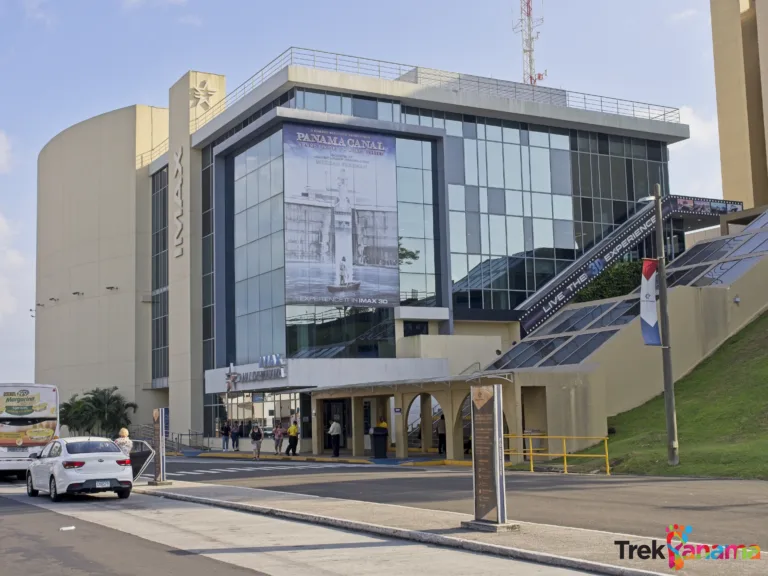
The impressive Miraflores Locks on the Panama Canal

0

Miraflores Locks: Engineering Marvel of the Panama Canal

The Panama Canal stands as one of the most remarkable feats of engineering in modern history, and at the heart of this marvel lies the Miraflores Locks. These locks serve as a critical component of the Panama Canal, facilitating the transit of ships between the Atlantic and Pacific Oceans and contributing to global trade in an unprecedented manner.

Located on the Pacific side of the canal, the Miraflores Locks are an integral part of the canal’s three-lock system, along with the Gatun and Pedro Miguel Locks on the Atlantic side. These locks play a pivotal role in elevating and lowering vessels to match the varying water levels of the canal, enabling them to traverse the Isthmus of Panama. The Miraflores Locks are a testament to human ingenuity and engineering prowess, showcasing how technology can overcome geographical challenges to connect distant oceans.

Constructed as part of the canal’s second expansion, the Miraflores Locks have been a crucial aspect of the canal since their completion in 1914. The original locks were constructed using pioneering lock gate designs and concrete technology of the time. However, as shipping demands evolved and vessel sizes increased, it became evident that a modernization effort was necessary to accommodate larger ships and improve overall efficiency.

The expansion project, completed in 2016, brought about significant upgrades to the Miraflores Locks. The new locks incorporate state-of-the-art technology, including rolling gates, tugboat assist systems, and an advanced traffic management system. These enhancements not only increased the efficiency and capacity of the canal but also addressed environmental concerns by incorporating water-saving basins and reusing water during the lockage process.

One of the most striking features of the Miraflores Locks is the Miraflores Visitors Center, which provides a unique vantage point for tourists and enthusiasts to witness the functioning of the locks up close. The Visitors Center offers a captivating experience, allowing visitors to observe the intricate process of ships being raised or lowered within the locks. The Center also features a museum that delves into the history of the Panama Canal, showcasing the challenges faced during its construction and the impact it has had on global trade.

Beyond their engineering significance, the Miraflores Locks hold cultural and educational value. The Visitors Center serves as an educational hub, offering interactive exhibits and educational programs to inform visitors about the canal’s history, the engineering marvels behind its construction, and its ongoing role in international trade. The locks stand as a symbol of human determination, highlighting the ability to overcome geographical barriers through innovation and collaboration.

The Miraflores Locks also play a vital role in the economic development of Panama and the global shipping industry. The canal serves as a key conduit for maritime trade, allowing vessels to bypass the lengthy and treacherous journey around the southern tip of South America. This strategic shortcut not only saves time and resources for shipping companies but also contributes to the competitiveness of global markets.

In conclusion, the Miraflores Locks stand as a testament to human achievement and innovation. From their initial construction in 1914 to the modernization efforts in the 21st century, these locks have been a linchpin in the success of the Panama Canal. As a hub of engineering brilliance, economic significance, and educational value, the Miraflores Locks continue to capture the imagination of visitors and serve as a living testament to the transformative power of infrastructure on a global scale.

Official site

More Panama information

1 delicious shawarma in Panama City

0
La Fonda Turco in Panama City, Panama

Making a good beef shawarma, Turkish style, involves marinating the meat, preparing the accompanying sauce, and assembling the final dish. Here’s a simple recipe for you:

Ingredients:

For the Marinade:

  • 1.5 to 2 pounds of thinly sliced beef (you can use sirloin or flank steak)
  • 1/4 cup plain yogurt
  • 3 tablespoons olive oil
  • 4 cloves garlic, minced
  • 1 teaspoon ground cumin
  • 1 teaspoon ground coriander
  • 1 teaspoon smoked paprika
  • 1 teaspoon ground turmeric
  • 1 teaspoon ground cinnamon
  • Salt and pepper to taste

For the Sauce:

  • 1 cup tahini
  • 2 tablespoons plain yogurt
  • 2 tablespoons lemon juice
  • 2 cloves garlic, minced
  • Salt to taste
  • Water (to adjust the consistency)

For Serving:

  • Pita bread or flatbreads
  • Sliced tomatoes
  • Sliced cucumbers
  • Chopped lettuce
  • Sliced red onions
  • Fresh parsley, chopped
  • Sumac (optional, for garnish)

Instructions:

1. Marinate the Beef:

  1. In a bowl, combine the yogurt, olive oil, minced garlic, cumin, coriander, paprika, turmeric, cinnamon, salt, and pepper.
  2. Add the thinly sliced beef to the marinade, ensuring each piece is well-coated.
  3. Cover the bowl and let it marinate in the refrigerator for at least 2 hours, or ideally overnight for more flavor.

2. Prepare the Sauce:

  1. In a separate bowl, mix together the tahini, yogurt, lemon juice, minced garlic, and salt.
  2. Add water gradually and stir until you achieve a smooth and creamy consistency. Adjust the seasoning if needed.

3. Cook the Beef:

  1. Preheat a grill or skillet over medium-high heat.
  2. Cook the marinated beef slices for 2-3 minutes on each side or until they are cooked to your liking.

4. Assemble the Shawarma:

  1. Warm the pita bread or flatbreads.
  2. Spread a generous amount of the tahini sauce on the bread.
  3. Place the cooked beef slices on top of the sauce.
  4. Add sliced tomatoes, cucumbers, red onions, lettuce, and fresh parsley.
  5. Optionally, sprinkle some sumac on top for extra flavor.

5. Serve:

Roll up the bread with all the delicious fillings, creating a shawarma wrap. Serve immediately and enjoy your homemade Turkish-style beef shawarma!

Feel free to customize the recipe based on your preferences, and don’t hesitate to experiment with additional spices or herbs to suit your taste.

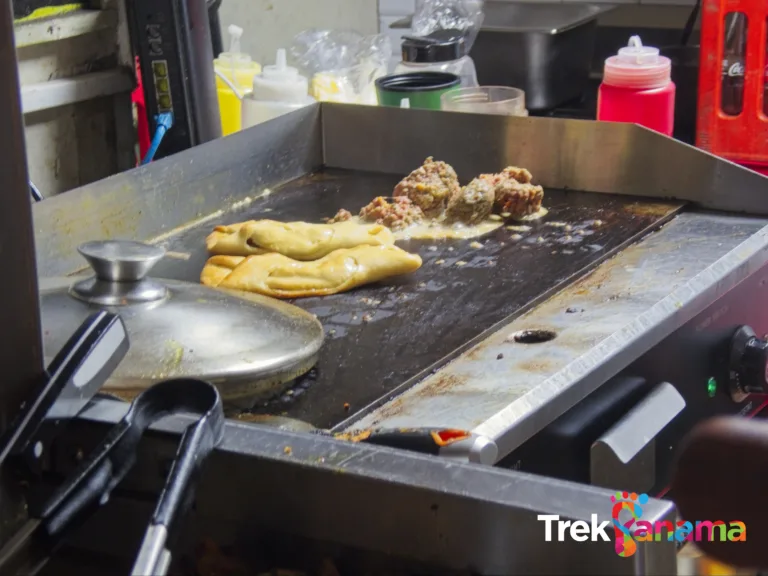
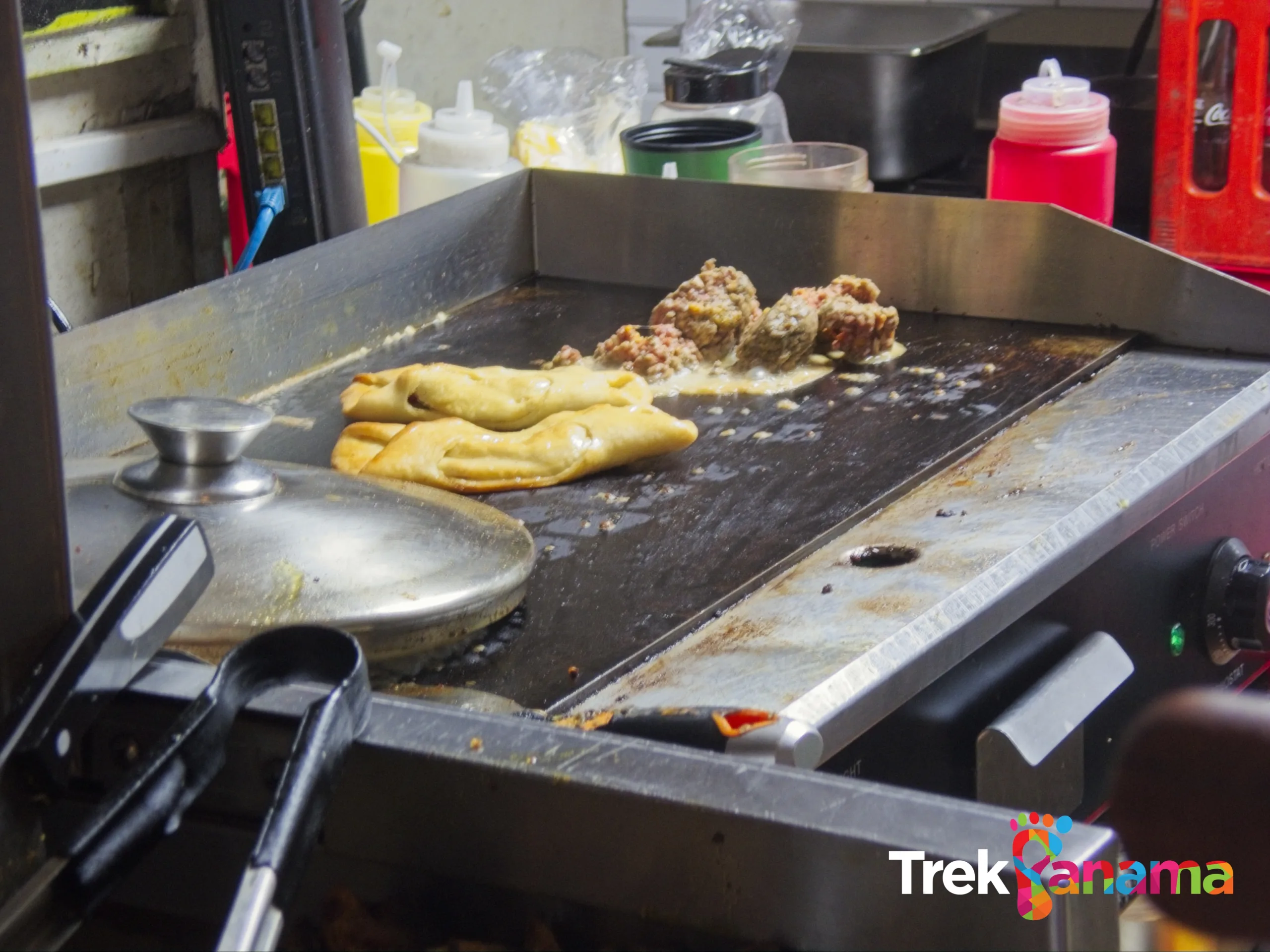
Meatball shawarma
Meatball shawarma

More information here.

Beautiful Punta Paitilla in Panama City

0

Punta Paitilla, located in Panama City, is a vibrant and upscale neighborhood that stands as a testament to the city’s modernity and cosmopolitan lifestyle. This area, situated along the coastline, offers a unique blend of luxury, convenience, and breathtaking views of the Pacific Ocean. With its upscale real estate and a plethora of amenities, Punta Paitilla has become a sought-after destination for those seeking an elevated living experience.

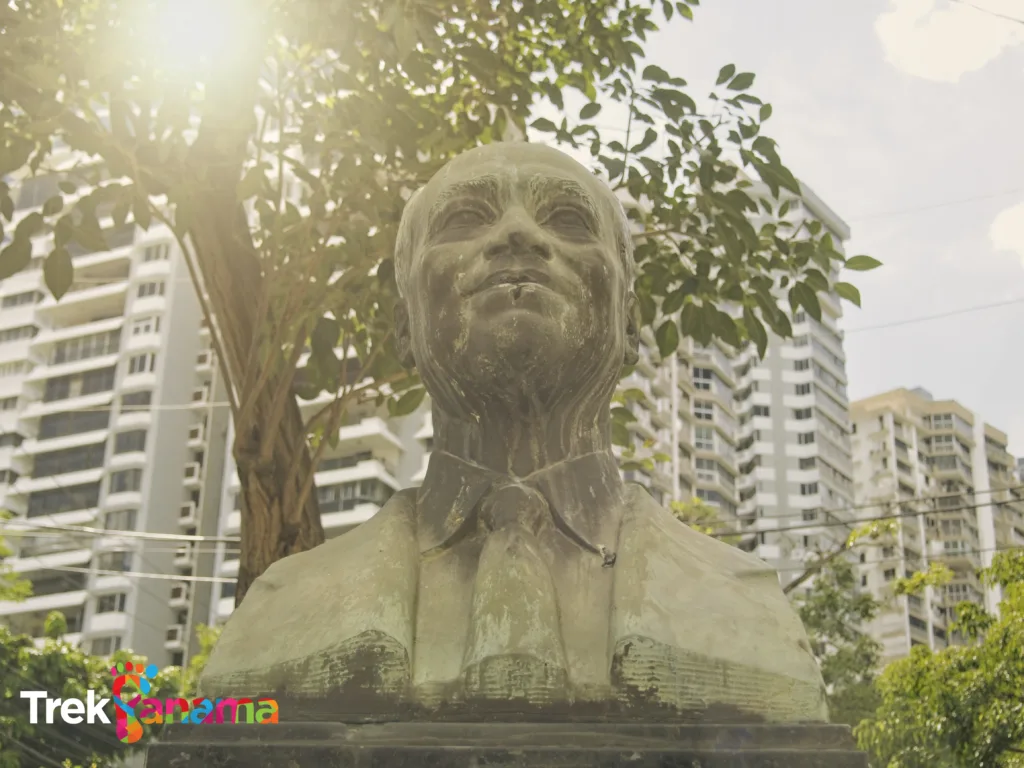
Tomás Gabriel Duque statue

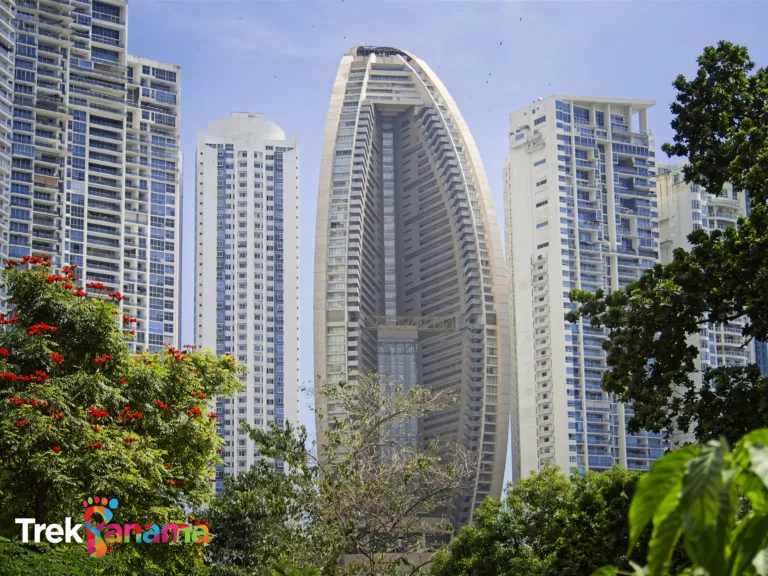
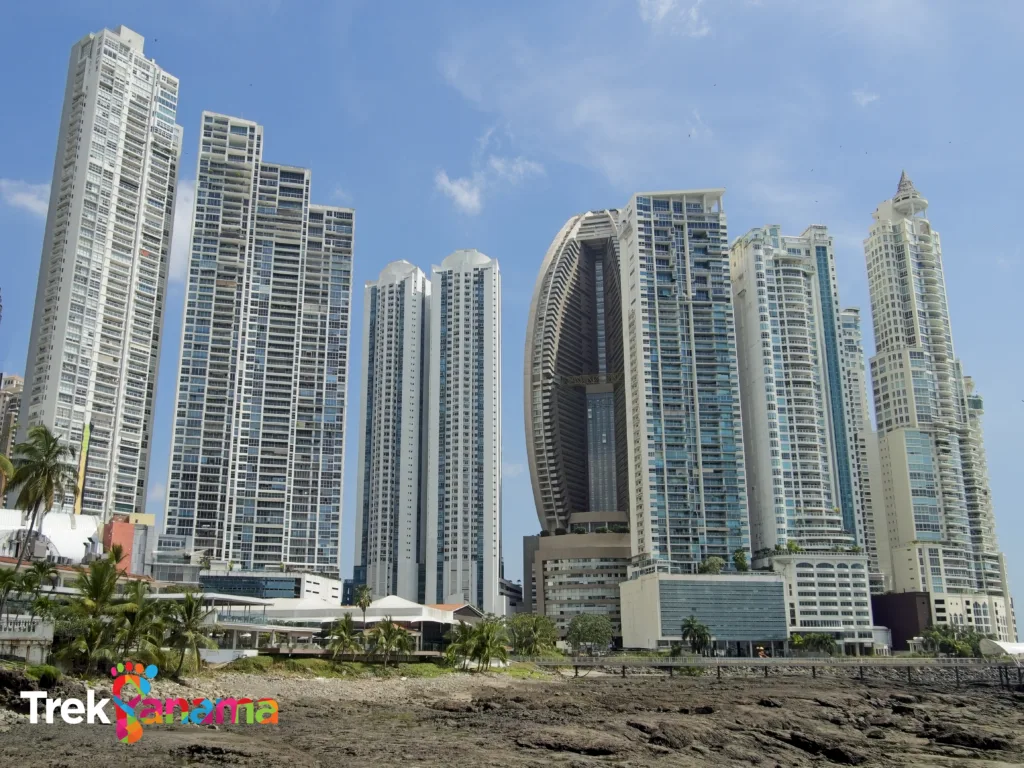
One of the defining features of Punta Paitilla is its stunning skyline, adorned with sleek and modern high-rise buildings that house luxurious apartments and penthouses. The architectural landscape of the area reflects a contemporary aesthetic, with glass facades and innovative designs that contribute to the overall ambiance of sophistication. The skyline becomes particularly enchanting as the sun sets, casting a warm glow on the buildings and creating a picturesque backdrop for residents.

The real estate market in Punta Paitilla is characterized by high-end properties, attracting individuals who appreciate the finer things in life. From spacious condominiums to exclusive penthouses, the housing options in this neighborhood cater to diverse preferences and lifestyles. The interiors of these residences often feature top-of-the-line finishes, state-of-the-art appliances, and panoramic windows that frame the stunning views of the ocean and the city.

Beyond the luxurious residences, Punta Paitilla offers a range of amenities that enhance the quality of life for its residents. High-end shopping centers, fine dining restaurants, and upscale boutiques are scattered throughout the area, providing a convenient and indulgent lifestyle for those who call Punta Paitilla home. The neighborhood is also known for its green spaces, with parks and waterfront promenades offering residents a place to unwind amidst the hustle and bustle of city life.

Buildings at Punta Paitilla

In addition to its aesthetic appeal and amenities, Punta Paitilla is strategically located, providing easy access to various parts of Panama City. The neighborhood’s proximity to the financial district and major business centers makes it an ideal choice for professionals and executives. Additionally, the convenience of having reputable schools, healthcare facilities, and recreational areas nearby adds to the allure of Punta Paitilla as a residential haven.

While the real estate market in Punta Paitilla caters to a high-income demographic, the neighborhood’s inclusivity is reflected in its diverse community. Expatriates, business professionals, and local residents coexist, creating a dynamic and cosmopolitan atmosphere. This cultural diversity is evident in the culinary scene, where international flavors meld seamlessly with local cuisine, offering residents a culinary journey without leaving the neighborhood.

In recent years, the area has witnessed a surge in real estate development, with new projects adding to the opulent landscape of the area. The demand for upscale living experiences has driven developers to create innovative and luxurious spaces that meet the evolving expectations of residents. As the neighborhood continues to evolve, Punta Paitilla remains a symbol of Panama City’s growth and modernization.

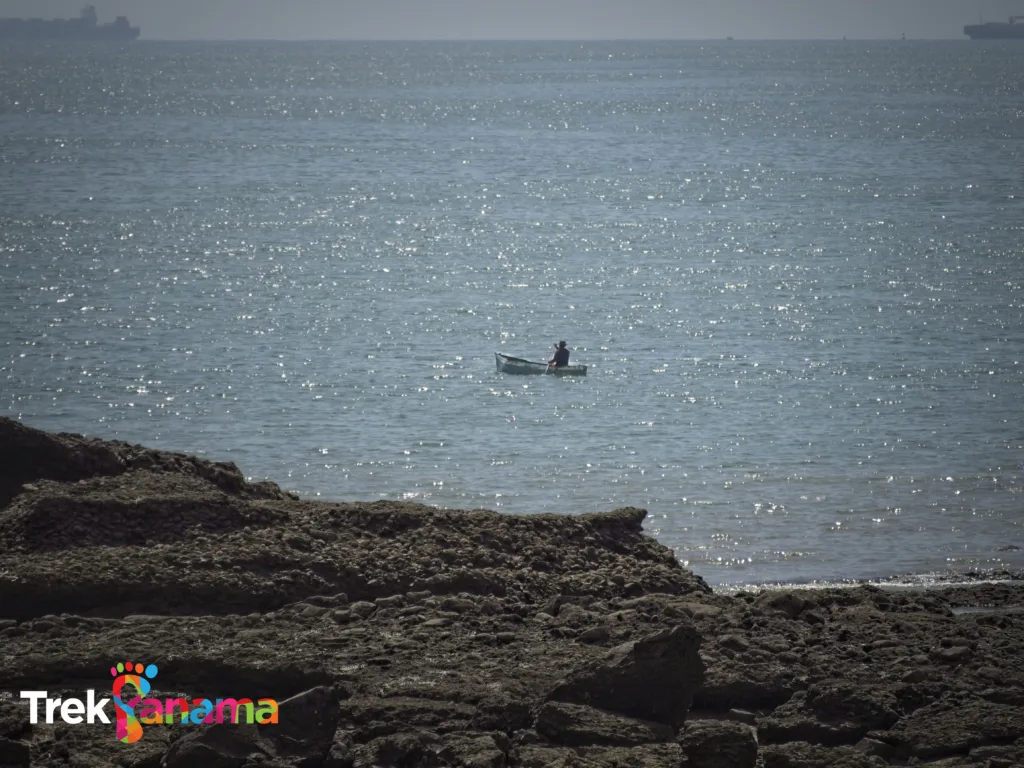
Fisherman in Punta Paitilla

In conclusion, Punta Paitilla stands as a beacon of luxury and sophistication in Panama City. The upscale real estate, stunning skyline, and array of amenities make it a desirable destination for those seeking an elevated living experience. The neighborhood’s strategic location, cultural diversity, and continuous development contribute to its status as one of the most coveted residential areas in Panama City, offering a blend of modern living and timeless elegance.

More information…

Sustainable dairy production in Chiriquí, Panama

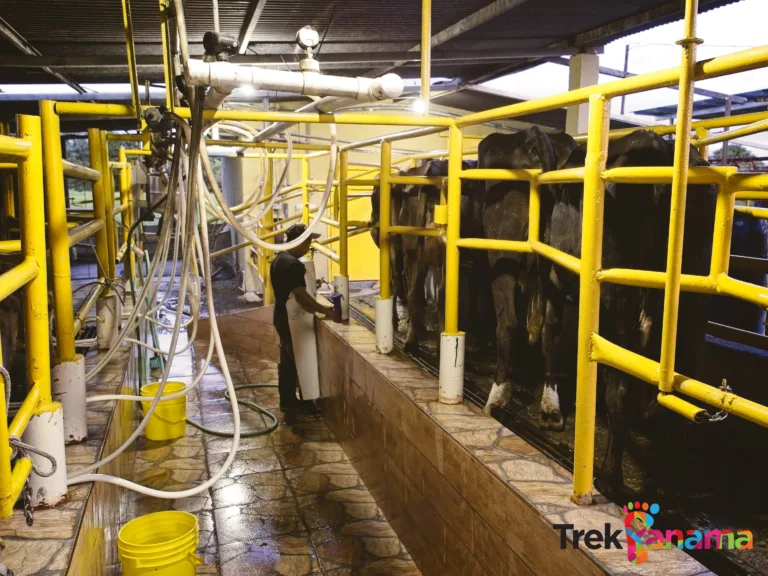
Sustainable dairy production near Divalá, Panamá
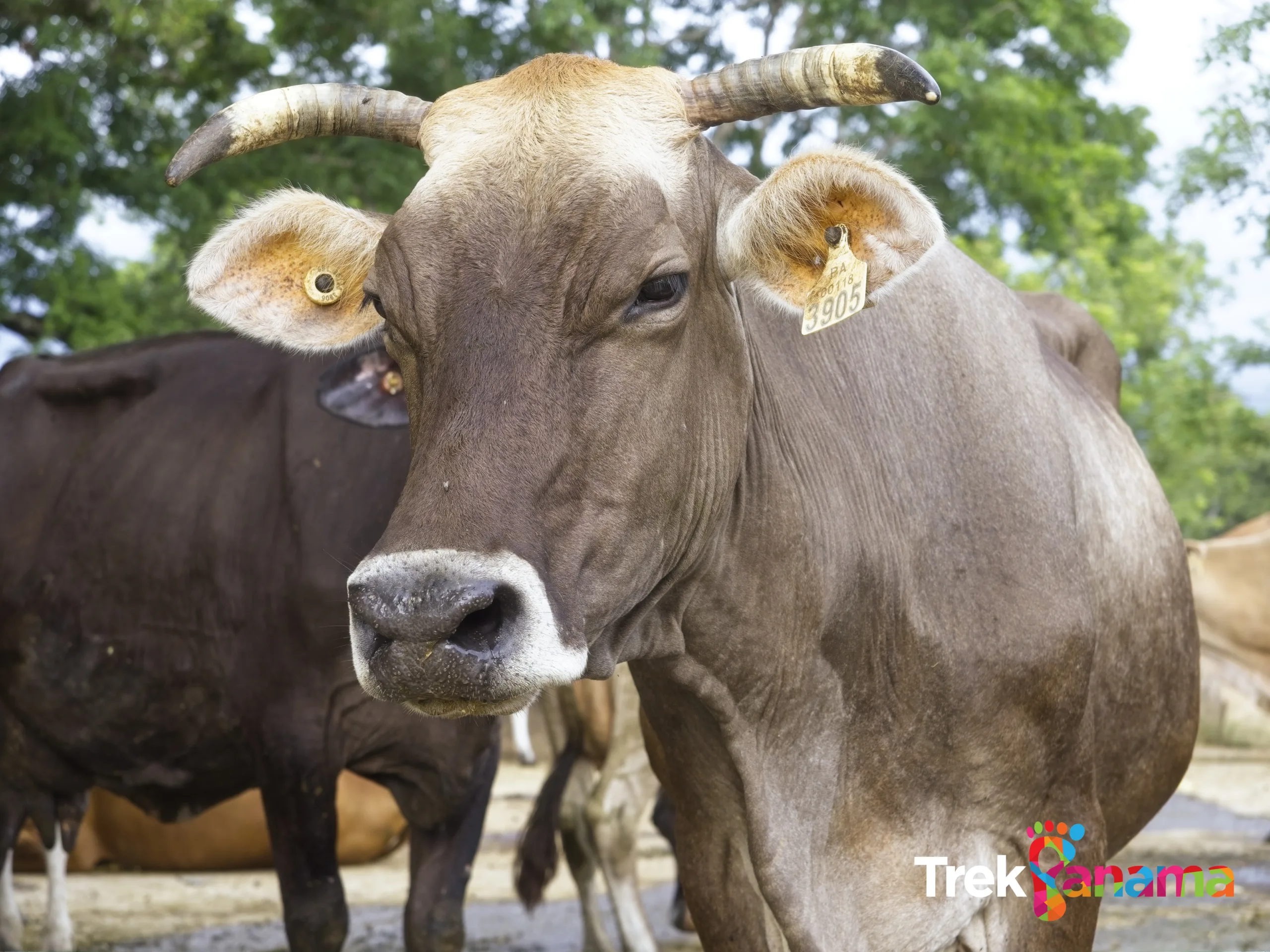
Cows in Chiriquí
A milk production cow in Divalá, Chiriquí

Panama has a relatively small but growing milk-producing industry. The country’s dairy sector faces challenges such as fluctuating milk prices, limited technological advancements, and issues related to pasture management. Chiriquí, located in western Panama, is known for its agricultural activities, including milk production.

Some key factors that may influence milk production in Chiriquí or any other region include:

  1. Climate: Weather conditions can impact the availability and quality of pasture, affecting the overall health and productivity of cattle.
  2. Technology and Infrastructure: The adoption of modern farming practices and the availability of infrastructure, such as available processing facilities, can significantly impact the efficiency of milk production.
  3. Market Dynamics: Milk prices, demand, and access to markets play a crucial role in influencing the motivation of farmers to produce more milk.
  4. Government Policies: Policies related to agriculture, subsidies, and support for the dairy industry can have a direct impact on milk production.
  5. Disease Control: Health management practices, including disease control measures, can affect the overall well-being of dairy cattle and, consequently, milk production.

The Chiriquí area of Panama has excellent properties to make milk production one of the most important agricultural activities in the area.

https://www.panamaamerica.com.pa/economia/bajos-precios-y-leche-en-polvo-ahogan-la-ganaderia-de-chiriqui-10326

https://www.aprogalpa.com/

Practical caponeras in Nicaragua

Best $1.40 taxi ride ever

Caponeras are three-wheeled vehicles that are used for transportation and work in Nicaragua. They are also known as triciclos, mototaxis or tuk-tuks in other countries. Caponeras are popular because they are cheap, convenient and adaptable to different terrains and needs. They can carry up to four passengers and some cargo, and they charge less than buses or taxis. Caponeras are also a source of income for many people who rent or own them and operate them as drivers or caponeros.

They have a history that dates back to the 1980s, when they were introduced as a solution to the scarcity of fuel and spare parts during the Sandinista revolution. They were initially made from old motorcycles and bicycle parts, and they were called “caponeras” because they resembled the capons or castrated roosters that were common in the countryside. These practical machines evolved over time and became more sophisticated and diverse, with different models, colors and decorations. Some even have sound systems, lights and fans to attract customers and provide comfort.

These mototaxis are regulated by the authorities, who issue permits and licenses to operate them. These vehicles have to comply with certain safety and environmental standards, such as having brakes, lights, mirrors, horns, seat belts and mufflers. Likewise, they have to pay taxes and fees, and they have to follow the traffic rules and respect the designated routes and zones. Caponeras are subject to inspections and controls by the police and the transit agency, who can impose fines or sanctions for violations.

Caponeras are part of the culture and identity of Nicaragua, and they reflect the creativity and resilience of the Nicaraguan people. They are also a symbol of solidarity and cooperation, as they often provide free or discounted rides to students, seniors, pregnant women and people with disabilities. Caponeras are more than just a means of transportation, they are a way of life for many Nicaraguans.

Click here to see more stories…

Tuk-Tuk or caponera in Nicaragua
Caponeras are useful transportation in Nicaragua

Wonderful whale watching in Panama

Check out the video at the bottom of the page!

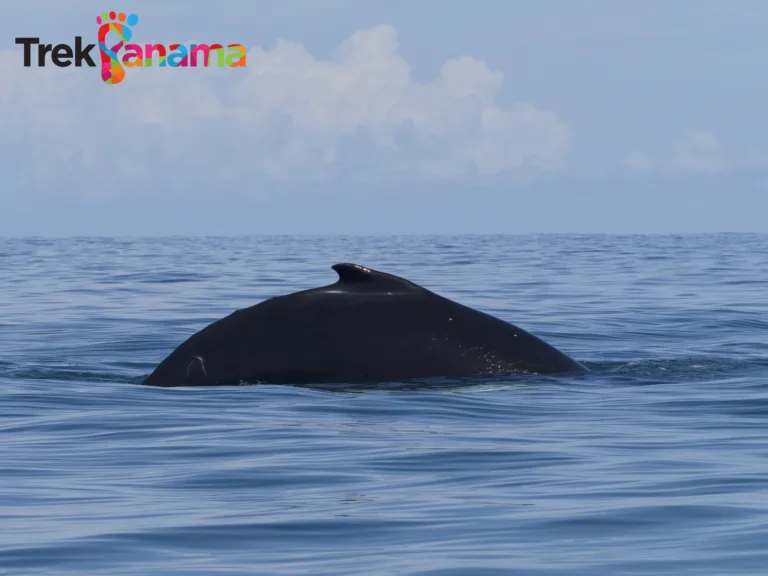
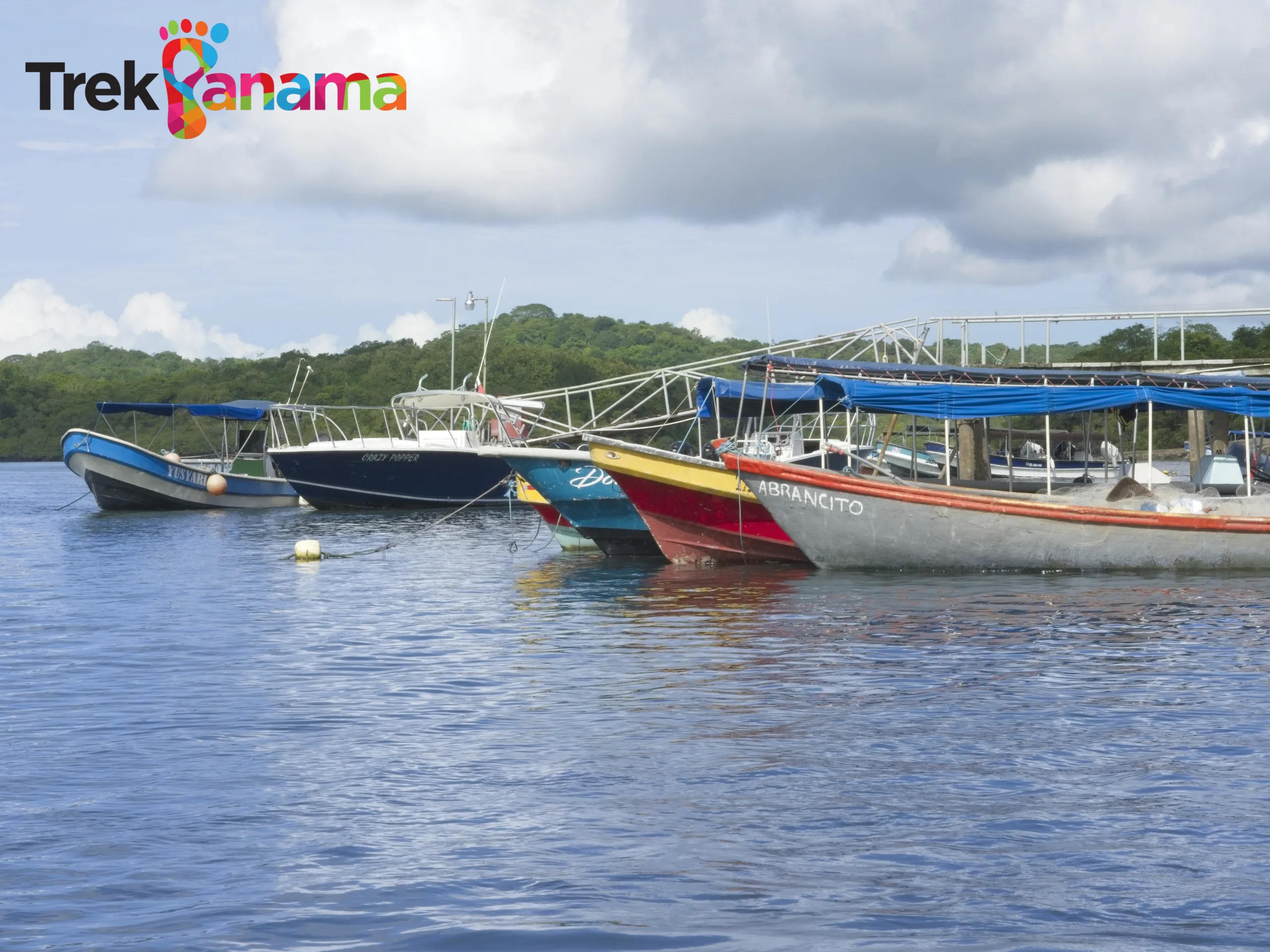
Whale watching in Chiriquí
The start of a whale watching trip in Chiriquí

Whale watching is a popular activity that attracts many tourists and locals to the coasts of Panama. Panama is one of the few places in the world where you can see humpback whales from both the Northern and Southern hemispheres, as they migrate to the warm waters of the Pacific Ocean to mate and give birth. Note the following about the season, the species, and the benefits of this exciting adventure in Chiriquí, Panama.

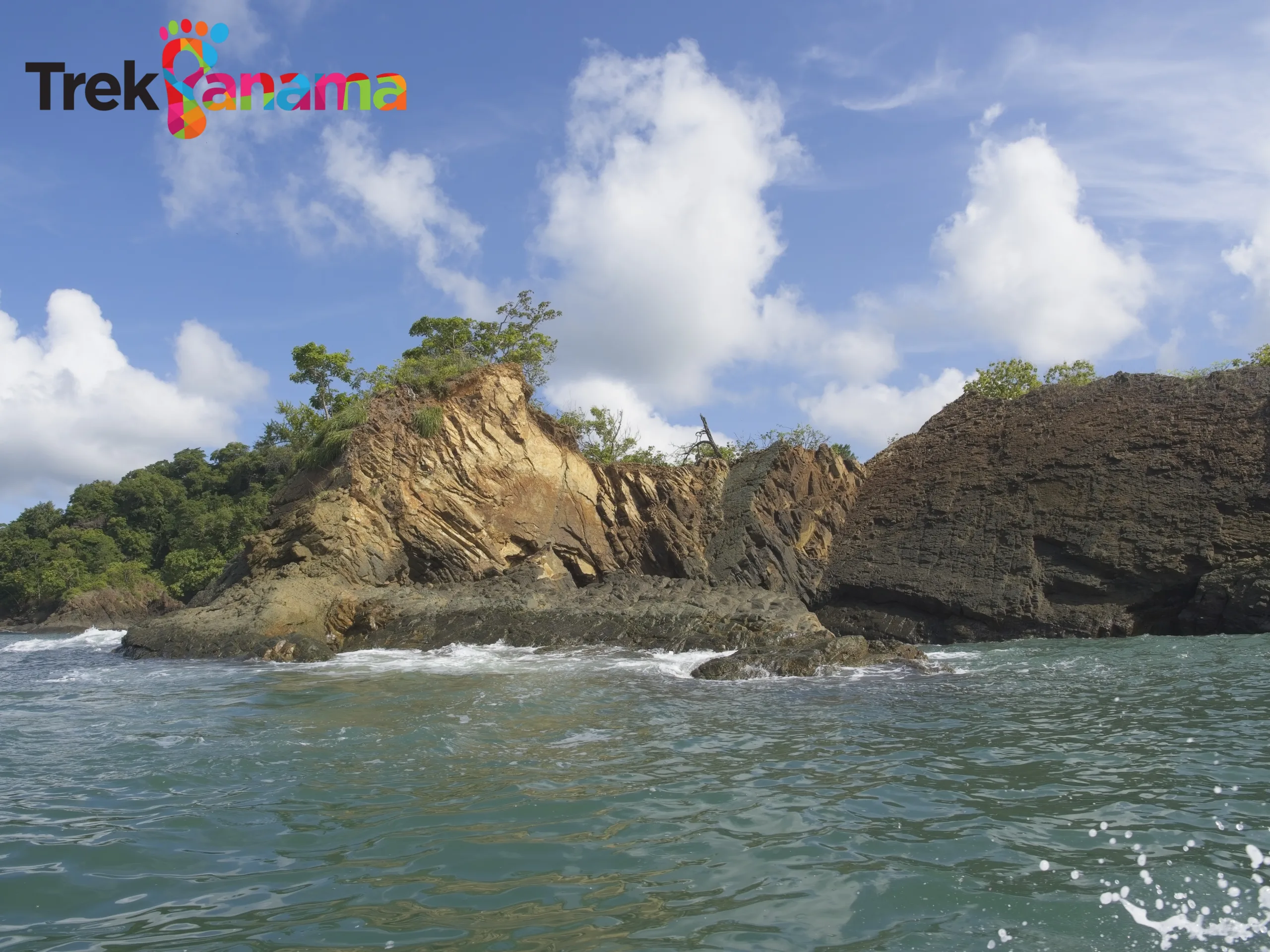
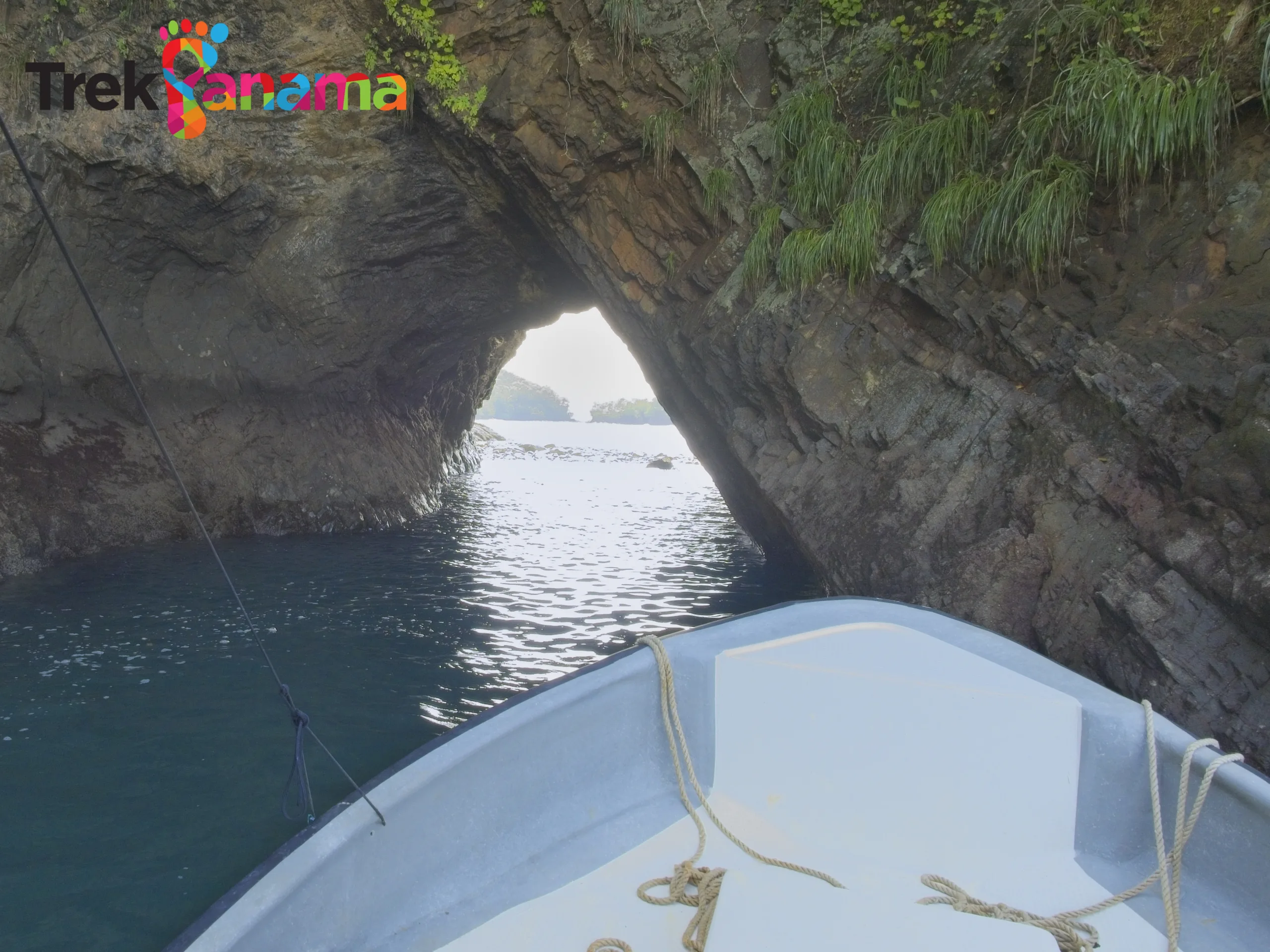
The prime location for whale watching in Panama is the Gulf of Chiriquí, a large bay that extends from the border with Costa Rica to the Azuero Peninsula. The Gulf of Chiriquí is part of the Chiriquí National Marine Park, a protected area that covers 14,740 hectares of marine and coastal ecosystems. The park is home to diverse wildlife, including dolphins, turtles, sharks, rays, and coral reefs. The Gulf of Chiriquí is a hotspot, as it offers sheltered and shallow waters for the whales to rest and nurse their calves.

The main season for whale watching in Chiriquí is from July to October, when thousands of humpback whales arrive from their feeding grounds in Antarctica and Alaska. The whales travel up to 25,000 kilometers each year, making them one of the most migratory animals on Earth. The peak months are August and September, when the chances of seeing whales are higher than 90%. During this time, you can witness amazing behaviors such as breaching, tail slapping, spy hopping, and singing.

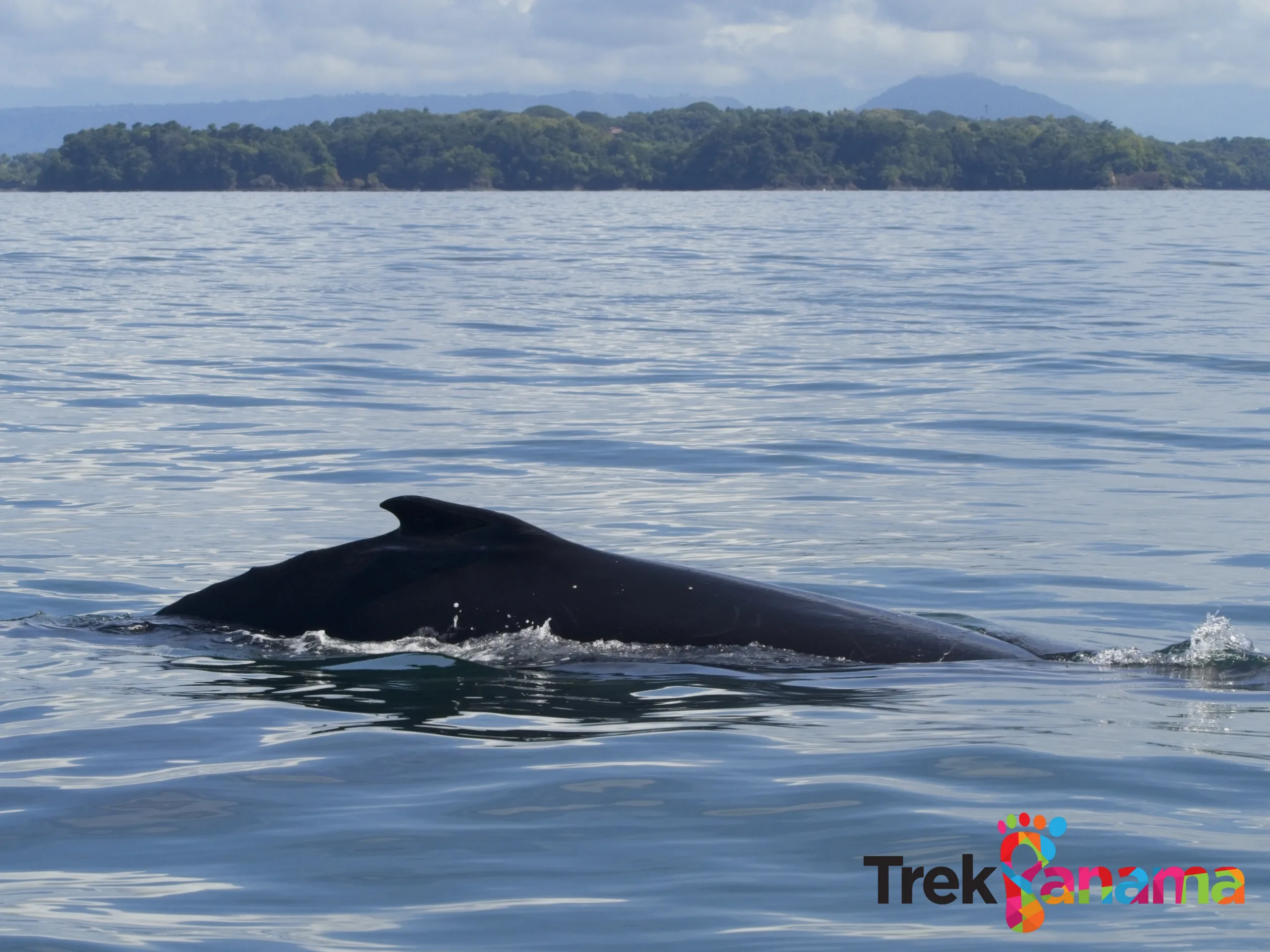
The species in Chiriquí is mainly the humpback whale (Megaptera novaeangliae), a large baleen whale that can grow up to 16 meters long and weigh up to 40 tons. Humpback whales are known for their complex songs, which can last up to 20 minutes and vary by population and region. Humpback whales are also very acrobatic and social, often forming groups of two to 15 individuals. Besides humpback whales, you may also encounter other cetaceans such as orcas, pilot whales, sperm whales, and several species of dolphins.

The benefits of whale watching in Chiriquí are manifold. For tourists, this is an unforgettable experience that allows them to appreciate the beauty and intelligence of these majestic creatures. For locals, this is a source of income and employment, as well as an opportunity to raise awareness and conservation of their natural heritage. For researchers, this is a valuable tool for studying the behavior, ecology, and population dynamics of whales. For the environment, this is a sustainable and non-invasive form of tourism that minimizes the impact on the marine ecosystem.

In conclusion, whale watching in Chiriquí, Panama is a rewarding activity that offers a unique insight into the life of humpback whales and other marine animals. By visiting the Gulf of Chiriquí during the whale season, you can enjoy the spectacle of nature and support the local community and conservation efforts. It’s an adventure that you will not regret.

Click here for some tour information.

Whale watching in the Chiriquí Gulf in Panama

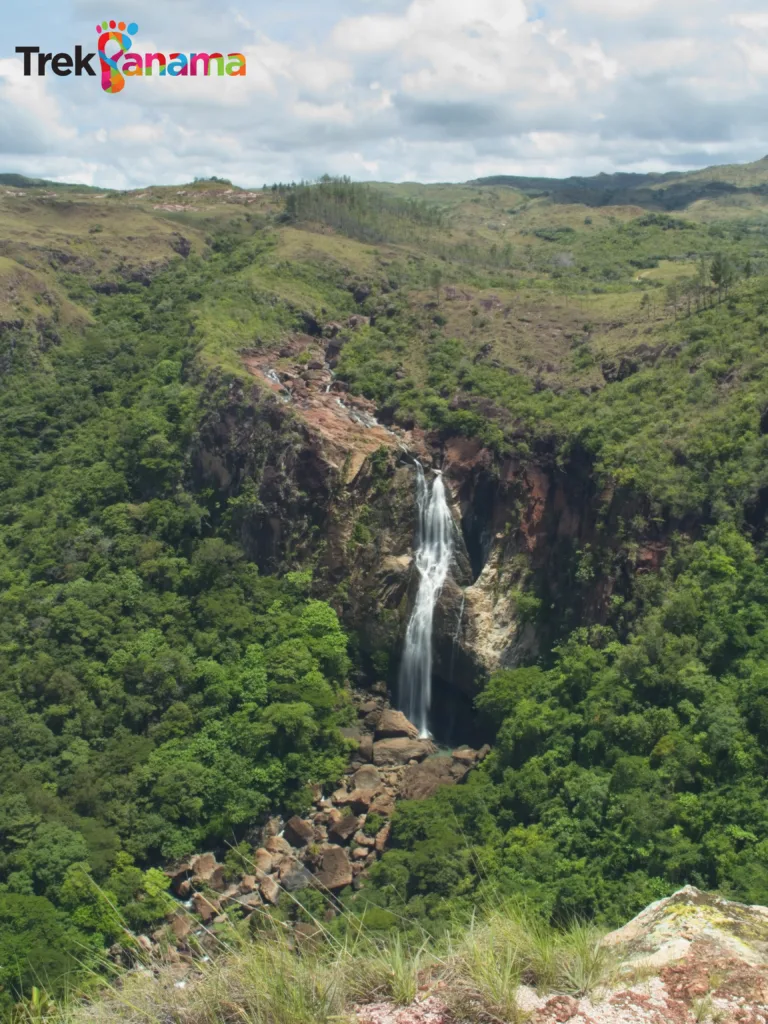
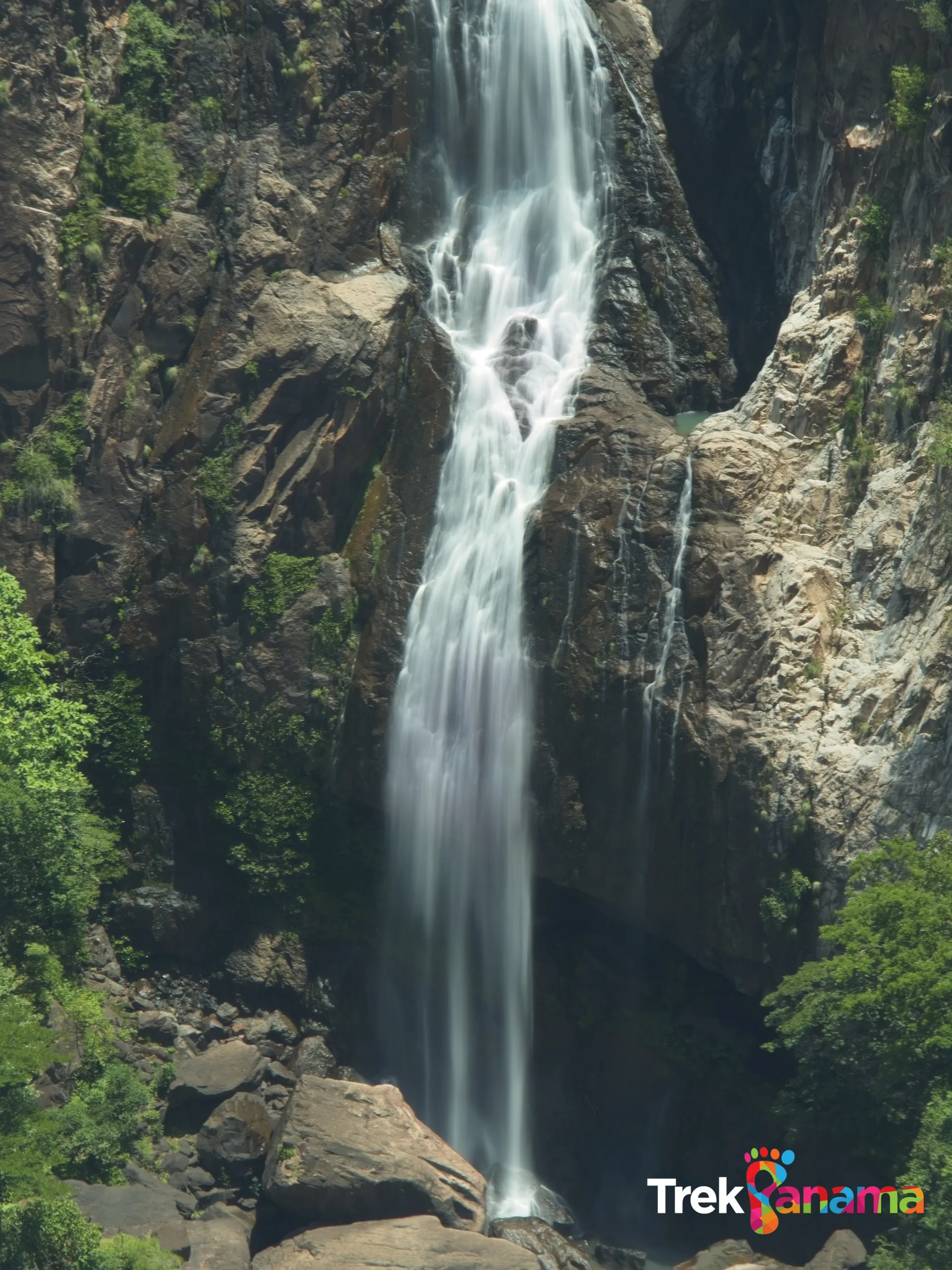
Chorros de Olá – 3 great waterfalls

The Chorros de Olá: A Natural Oasis in Coclé, Panama

1 de 3 chorros en Olá, Coclé
1 of the 3 waterfalls in Olá
The main waterfall in Chorros de Olá

Nestled within the heart of Panama’s lush Coclé province, the Chorros de Olá is a hidden gem that enchants all who venture into its pristine embrace. This natural wonder, often referred to simply as “Los Chorros,” is a testament to the raw beauty and ecological diversity that Panama has to offer. Spanning an area of approximately 40 hectares, Chorros de Olá is a captivating blend of cascading waterfalls, tranquil pools, and rich tropical rainforests. In this 600-word exploration, we delve into the essence of this enchanting destination, revealing its geological wonders, cultural significance, and the experience it offers to both locals and travelers alike.

At the heart of Chorros de Olá lies its most captivating feature: the waterfalls. Fed by the crystalline waters of the Rio La Villa, these cascades of liquid silk tumble down from heights of up to 35 meters, glistening in the dappled sunlight filtering through the dense foliage above. The falls are a testament to the geological processes that have shaped the region over eons. The porous limestone rocks in the area have been eroded by the flow of water, creating a natural labyrinth of underground channels and tunnels that surface dramatically in the form of these majestic waterfalls. Visitors can feel the cool mist on their faces as they stand in awe of the falls’ powerful beauty, or they can take a refreshing dip in the natural pools formed by the cascades. The Chorros’ soothing and invigorating waters are said to have therapeutic properties, making them a favorite retreat for locals seeking relaxation and rejuvenation.

Beyond its geological wonders, Chorros de Olá is steeped in cultural significance for the people of Panama. The name “Olá” is derived from the indigenous Ngäbe-Buglé language and means “abundance of water.” For centuries, this place has held spiritual significance for indigenous communities, who have revered its natural springs and waterfalls as sacred sources of life. Today, Chorros de Olá continues to be a place where locals come to connect with nature, celebrate traditional ceremonies, and share in the profound spiritual energy that permeates the landscape.

In recent years, Chorros de Olá has also become a popular destination for eco-tourism, attracting visitors from around the world. Its accessibility from Panama City, just a two-hour drive away, makes it an ideal day trip or weekend getaway. The surrounding region offers various accommodations, from cozy eco-lodges to camping sites, allowing visitors to immerse themselves fully in the natural beauty of the area.

The Chorros de Olá experience is not limited to the waterfalls alone. The surrounding rainforest is a treasure trove of biodiversity, housing an incredible array of flora and fauna. Nature enthusiasts and birdwatchers will be delighted by the opportunity to spot colorful toucans, resplendent quetzals, and elusive howler monkeys amidst the lush foliage. Hiking trails wind their way through the forest, offering both novice and experienced hikers a chance to explore the rich ecosystems that thrive in this protected natural reserve.

For adventure seekers, Chorros de Olá offers exhilarating opportunities for outdoor activities. The river that feeds the waterfalls is perfect for river tubing, a thrilling adventure that combines the serenity of floating downriver with bursts of excitement as you navigate mild rapids. Canyoning and rappelling are also popular activities, allowing you to descend the waterfalls themselves under the guidance of experienced guides.

The local community has played a pivotal role in preserving Chorros de Olá’s natural beauty and cultural significance. In recent years, efforts have been made to develop sustainable tourism practices that benefit both visitors and the environment. Locals provide guided tours, ensuring that visitors gain a deeper understanding of the area’s ecology and cultural importance while respecting its delicate balance.

In conclusion, the Chorros de Olá in Coclé, Panama, is a natural oasis that captivates the senses, ignites the spirit, and fosters a deep connection with both nature and culture. Its breathtaking waterfalls, lush rainforest, and cultural significance make it a must-visit destination for those seeking an authentic and rejuvenating experience in Panama. Whether you come for the adventure, the serenity, or the spiritual connection, Chorros de Olá offers an unforgettable journey into the heart of Panama’s natural wonders, where the rhythm of water and the whispers of the forest create a symphony of beauty and tranquility.

Click here for more information about the Chorros de Olá.

Click here for more waterfalls in Coclé.

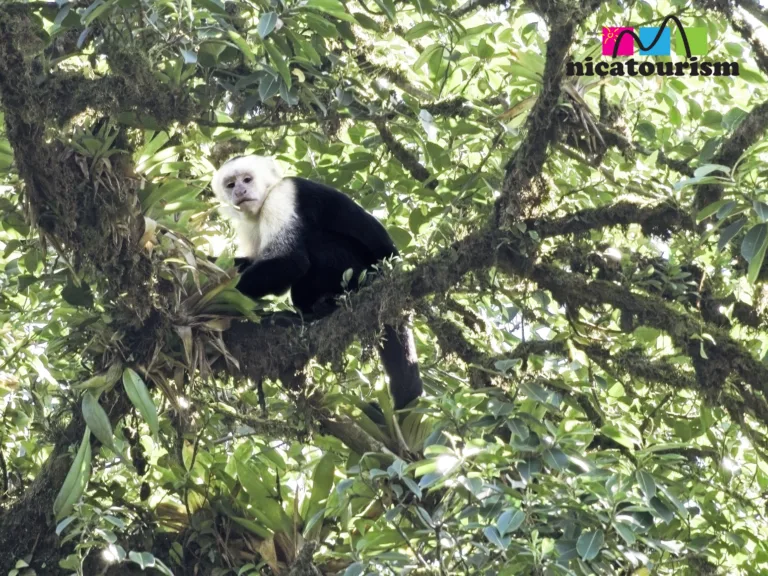
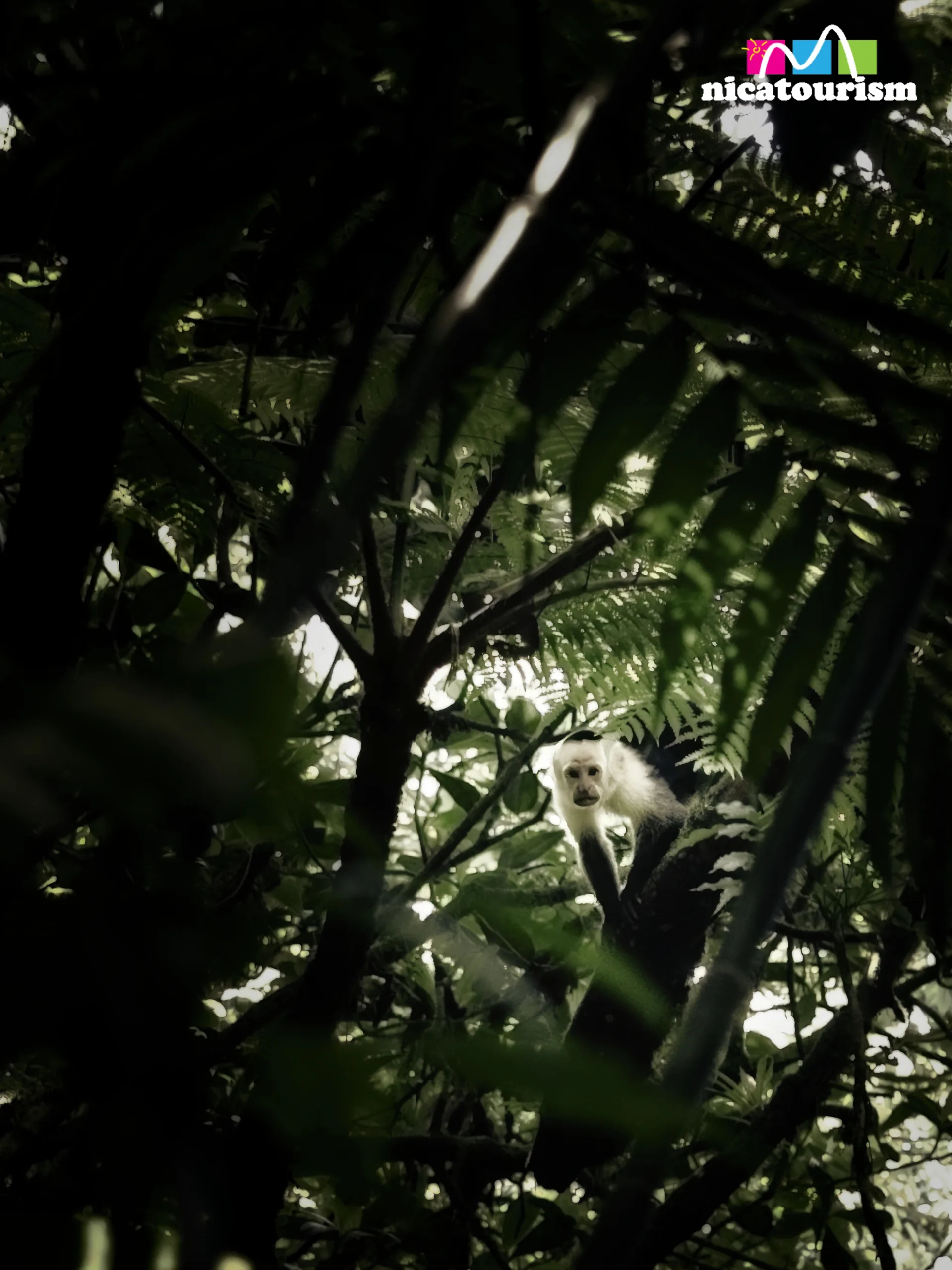
Mombacho – a beautiful home to many types of monkeys

Hungry monkey
Hungry monkey
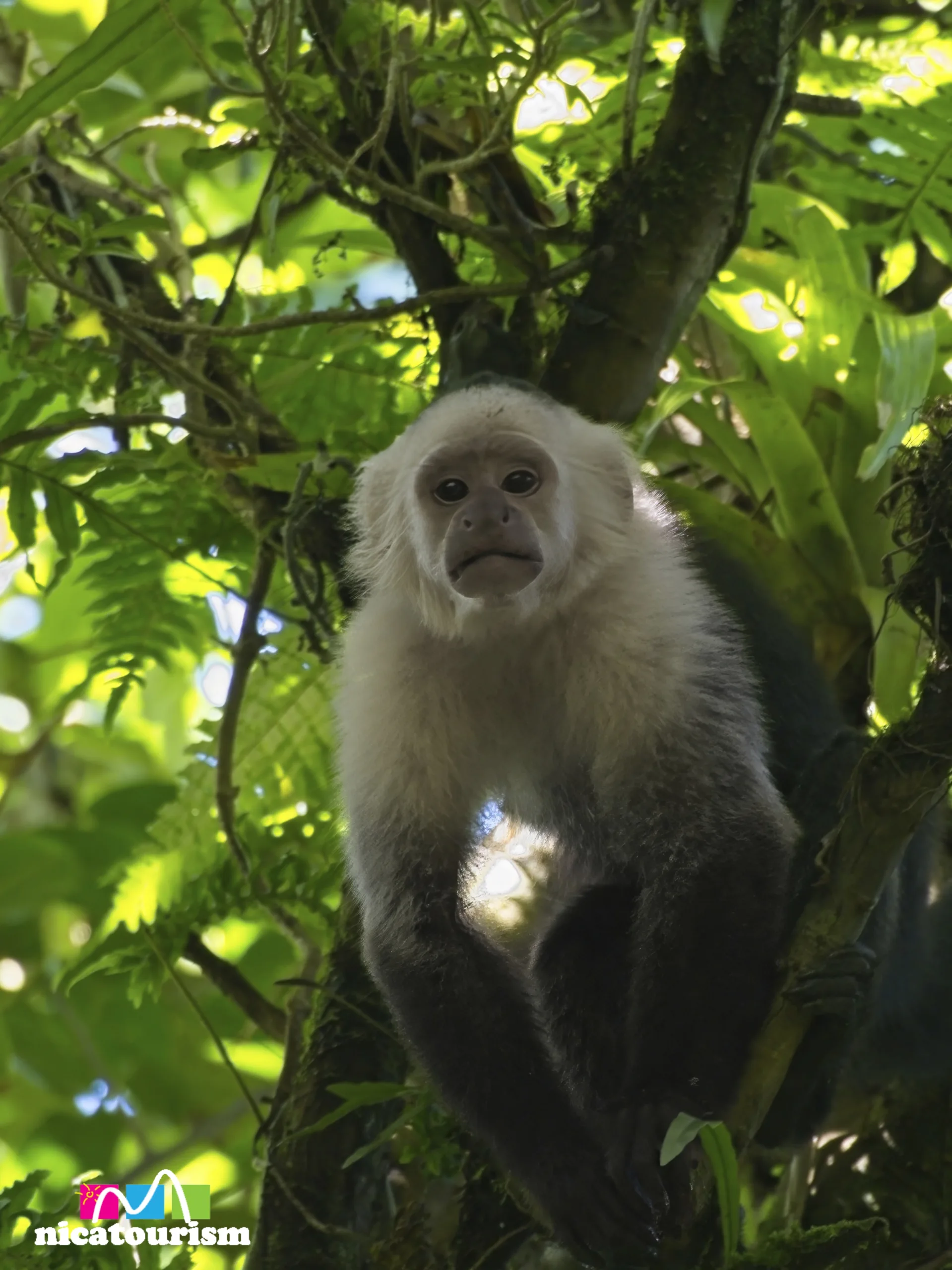
Close up of monkey in Mombacho, Nicaragua
Wide view of a monkey in Mombacho, Nicaragua
Wide view of a monkey
Another shot of a monkey
Monkey in Mombacho
Monkey in Mombacho

The Mombacho Volcano Natural Reserve in Nicaragua is home to a variety of wildlife, including several species of monkeys. Some of the monkey species that can be found in the region include:

  1. Howler Monkeys: These monkeys are known for their loud and distinctive howling calls. There are several species of howler monkeys in Central and South America, and it’s possible that you might find them in the Mombacho area.
  2. White-faced Capuchin Monkeys: These monkeys are easily recognizable by their white faces and black bodies. They are intelligent and social animals often seen in the forest canopy.
  3. Spider Monkeys: Spider monkeys are known for their long limbs and prehensile tails, which they use to move through the trees. They have a distinctive appearance and are typically found in tropical rainforests.
  4. Geoffroy’s Spider Monkey: This is a specific species of spider monkey found in Central America, including Nicaragua. They are known for their black fur and long tails.
  5. Squirrel Monkeys: These small monkeys have a distinctively round face and are often found in groups. They’re agile and active, frequently moving through the trees in search of food.

More monkeys here: 1 2

More about Mombacho here: 1 2 3 4 5