Home Blog Page 64

Rodrigo the racoon/Rodrigo el mapachín

0

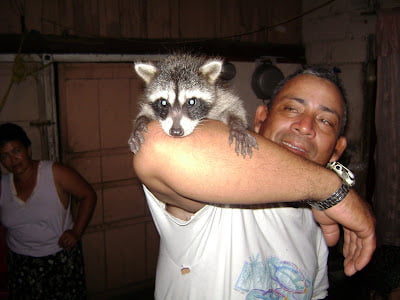
This little guy lives in Malacatoya, Granada in Nicaragua. He has been raised on loving cat’s milk since his birth. Friendly as can be and nice to play with! His name is Rodrigo.

Este amiguito vive en Malacatoya, Granada en Nicaragua. He sido criado con leche de gata desde su nacimiento. Es bien amistoso y le gusta jugar!!! Se llama Rodrigo.

Posted by Picasa

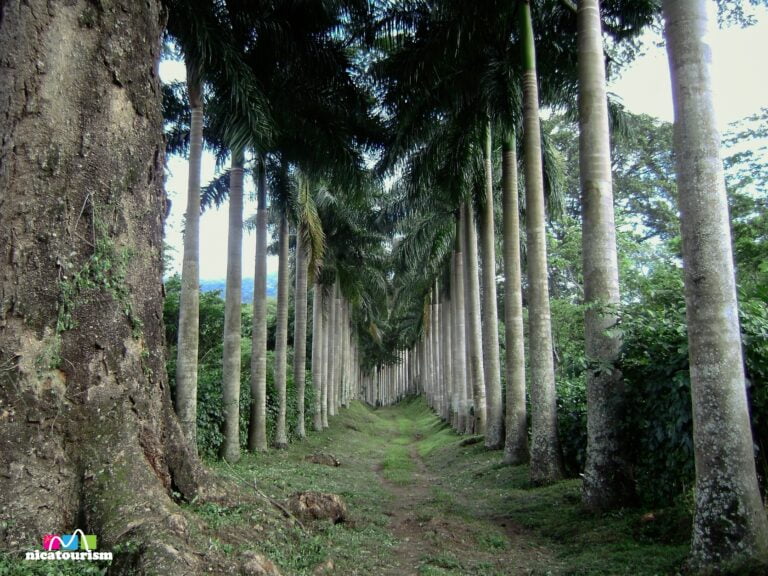
Entrance to a cloud forest coffee plantation

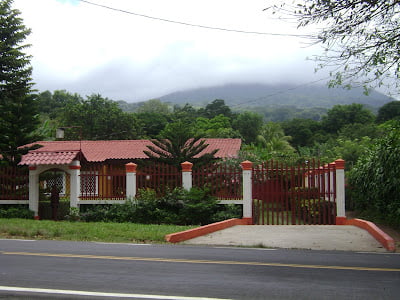
Out in the backwoods of Mombacho cloud forest, Granada, we came across this beautiful entrance to a coffee plantation. Note the palm trees are perfectly aligned, paving the way up to the main house and work area. Note also the huge Ceiba tree also greeting each passerby. Breathtaking!

En la base de la selva nubosa de Mombacho, Granada, encontramos entra entrada bella que lleva a una hacienda de café. Notá las palmas, alineadas en perfección, señalando el camino a la casa principal y zona de trabajo. También notá el arbol gigantesco ceiba que también da la bienvenida. Muy inspirador!

Mombacho Granada

0

Check out this cool house at the base of the Mombacho volcano and cloud forest. Nice!

Mira esta casa a la base del volcán y bosque nuboso Mombacho. Bonita!!

Posted by Picasa

Poor Tiger Ratsnake (Spilotes Pullatus)

We found this snake near Mombacho, Granada. He has apparently been eating very well. Notice the beautiful design and color. Locally, he was called a “yellow beard”, although that doesn’t seem to be right. Other snake experts say it was a Tiger Ratsnake (Spilotes Pullatus).

Encontramos esta culebra cerca de Mombacho, Granada. Por lo vista ha estado comiendo bien. Nota el diseño de su piel y su color. Por aquí la llaman barba amarilla pero parece que está mal identificada. Dicen que es una Spillotes Pullatus.

Little friends/Amiguitas

0


Here’s some little friends of ours at the edge of Lake Cocibolca in Granada, Nicaragua.

Aquí están algunas amiguitas nuestras a la orilla del Lago Cocibolca en Granada, Nicaragua.

Posted by Picasa

Pizzeria Don Luca

0

We went to the Pizzeria Don Luca, on the La Calzada street in Granada, Nicaragua with Luis and Kelly Ampie. As you can see, Don Luca has an artisan wood burning oven to cook his pizzas in. The first and second pizzas were umm umm delicious! The one pictured cost C$150 ($7.50). Service was great as well! Definitely a place to go again….

Visitamos a la Pizzería Don Luca, en la calle La Calzada en Granada, Nicaragua con Luis y Kelly Ampie. Como se aprecia, Don Luca tiene un horno de leña en que hornea las pizza. La primera y la segunda pizza eran deliciosas! Esta que se mira costó C$150 ($7.50). El servicio también era bueno. A repetirse….se ha dicho!!!!

Posted by Picasa

Top/Trompo

0

This is a popular toy this time of year in Nicaragua – the famous and time proved spinning top.

Este es un juguete muy popular en esta temporada en Nicaragua – el famoso trompo.

Fun Parakeet (Chocoyo)

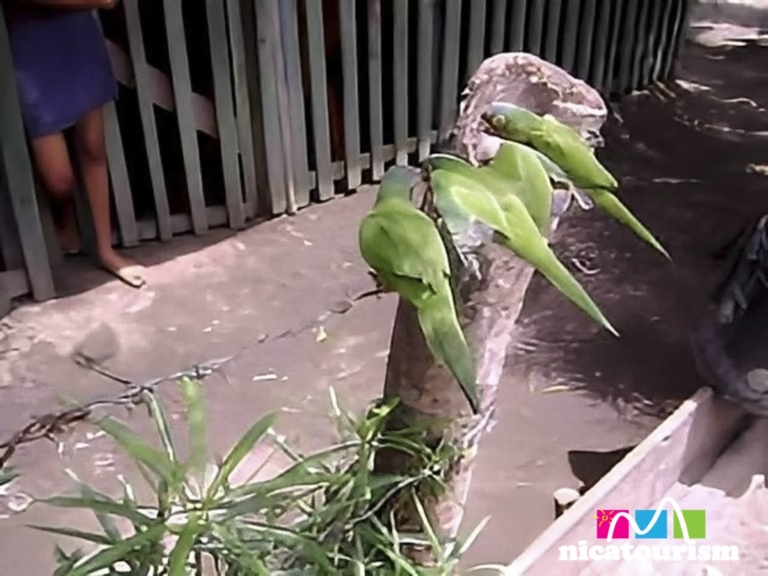
Say hello to Panchito the Chocoyo (Parakeet). He calls the rice producing area of Malacatoya his own. He also shares his wire with a few other friends.

Parakeets are popular pets in Nicaragua, as they are colorful, social, and relatively easy to care for. Here are some key points to consider about keeping parakeets as pets in Nicaragua (remember that they are called chocoyos):

1. Common Pet Parakeet (chocoyo) Species

  • Budgerigars (Budgies): The most common parakeets kept as pets worldwide, including Nicaragua. They are small, playful, and come in various colors.
  • Pacific Parakeets: Native species that some locals keep as pets, though capturing wild birds is often discouraged to protect native populations.
  • Lovebirds (Agapornis): Though not true parakeets, they are small parrots often grouped with them in Nicaragua.

2. Legality and Ethical Considerations

  • It is essential to ensure that any parakeet (chocoyo) kept as a pet is legally obtained and not captured from the wild, as this can harm wild populations and ecosystems.
  • Nicaragua has laws protecting wildlife, such as Law 217 (General Law of the Environment) and regulations under MARENA (Ministry of the Environment and Natural Resources). These laws discourage the illegal trade of native bird species.
  • Consider purchasing birds from reputable breeders or pet stores.

3. Care Requirements

  • Cage: Provide a spacious cage with room for flying, climbing, and toys to keep the birds entertained.
  • Diet: Parakeets thrive on a diet of seeds, fresh fruits, and vegetables. Foods like mango, papaya, and bananas are locally available and healthy for them.
  • Social Interaction: Parakeets are highly social and need regular interaction. Keeping them in pairs or flocks can help fulfill their social needs.
  • Veterinary Care: Access to avian veterinarians may be limited in rural areas, so plan for their healthcare in urban centers.

4. Cultural Significance

  • Keeping parakeets as pets is a common practice, especially in urban and suburban areas. They are admired for their beauty and cheerful demeanor.
  • However, there is growing awareness of the importance of conserving wild bird populations, which has led to more emphasis on ethical pet ownership.

5. Adoption and Rescues

  • Some organizations in Nicaragua promote the rescue and rehabilitation of exotic birds. Adopting a rescued parakeet can be a compassionate alternative to buying.

By choosing ethically sourced parakeets and providing them with proper care, you can enjoy their company while respecting Nicaragua’s rich biodiversity.

Panchita the parakeet<….>Panchita la chocoya

El Chocoyero

More about El Chocoyero

El Paso barge/balsa de El Paso

0


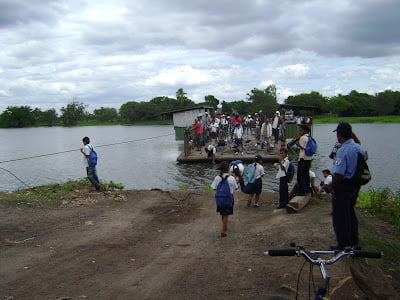
Here’s some more pix from the touristic approach to Malacatoya from the Granada side of the river.

Aquí están algunas fotos del escenario turístico llegando a Malacatoya del lado granadino del río.

Posted by Picasa