From Evernote: |
Has Mañana Arrived For Nicaragua? | Gadling.comClipped from: http://www.gadling.com/2013/02/10/has-manana-arrived-for-nicaragua/?a_dgi=aolshare_facebook |
|
|

Has Mañana Arrived For Nicaragua?
by Dave Seminara (RSS feed) on Feb 10th 2013 at 10:00AM
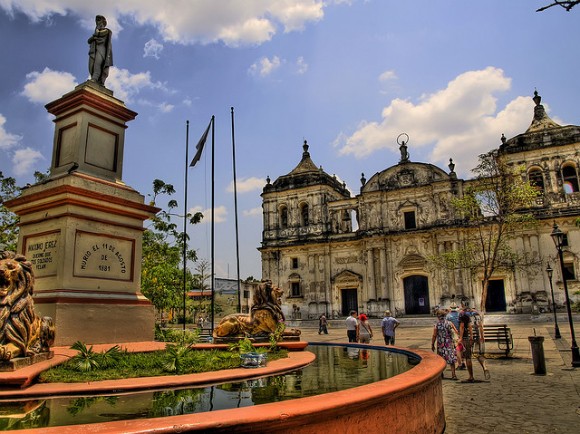 Travel writers have been hyping Nicaragua as the next big tropical paradise for years. The New York Times listed it as one of 46 places to go in 2013. A host of travel magazines have promoted it as a cheaper Costa Rica without the crowds. And CBS brought some of Nicaragua’s natural beauty into American homes three years ago by filming a season of “Survivor” in the country.
But an article in the Wall Street Journal last week about the challenges of trying to pitch Nicaragua to high-end travelers highlighted the reality that the country is still more of a haven for backpackers than the well heeled. In 2011, visitors to Nicaragua spent an average of just $43 per day, compared to $118 in neighboring country. But is Nicaragua in danger of losing the cool, off-the-radar status it once enjoyed?
Fifteen years ago, Amber Dobrzensky boarded a Greyhound bus in New York City and eventually washed up in Matagalpa, Nicaragua’s Central Northern Highlands, where she helped build a medical clinic and taught English.
“The country had a profound impact on how I viewed the world,” she said. “I didn’t want to leave Nicaragua.”
The Vancouver native eventually did leave, but she returned in 2008 and has lived there ever since. She edits a cultural magazine called Hecho and is the author of the “Moon Guide to Nicaragua,” which just came out last week. We spoke to Amber to find out if Nicaragua’s still the next big thing or if it’s already arrived.
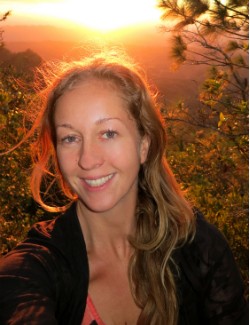
Where do you live?
I live in Managua, which is an unlikely place for expats. I’ve always intended to migrate toward the beach, but I haven’t been able to decide which stretch of beach I want to land in. I love both coasts.
Travel writers have been hyping Nicaragua for years. But it’s still not overrun by gringos, is it?
Compared to Costa Rica, it’s still pretty quiet. It’s also still relatively inexpensive; it’s definitely cheaper than Costa Rica or Panama. It has great diving on the Caribbean coast and great surfing and whale spotting on the Pacific side. There was an article in the Wall Street Journal recently about the challenge of pitching Nicaragua as the next paradise.
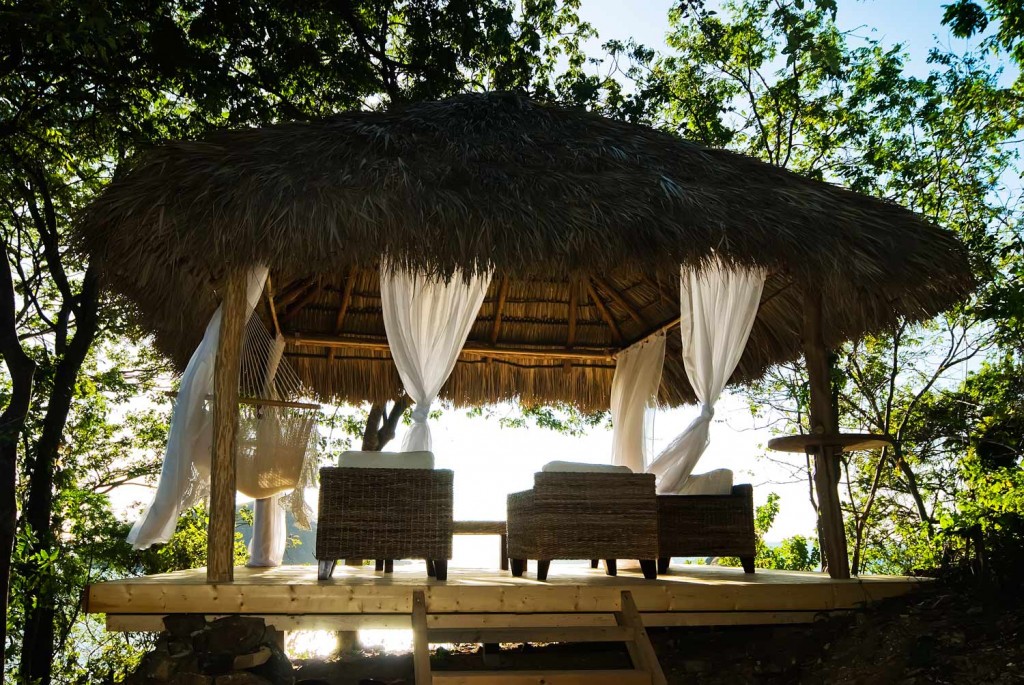
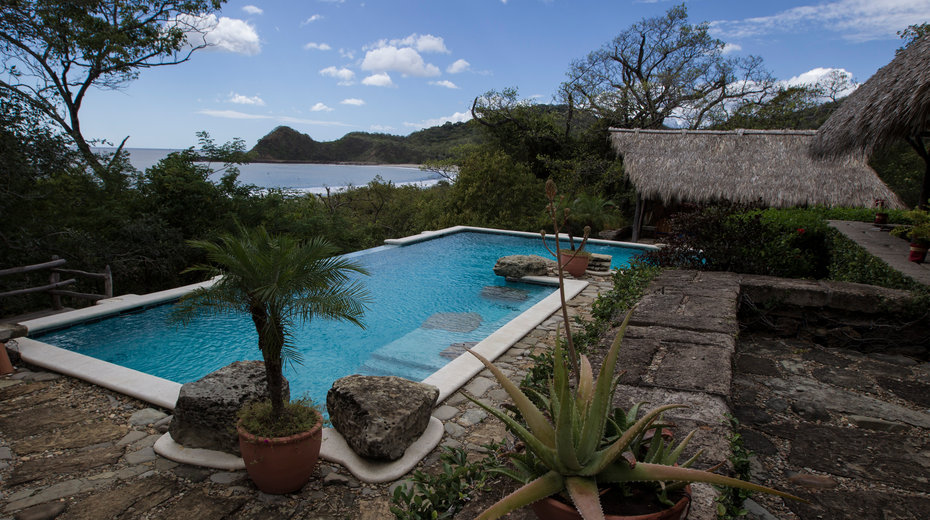
They’ve just opened the country’s first luxury five-star resort – it’s called Mukul – and they invited a lot of travel agents to promote it but I think a lot of people were scratching their heads. People were saying, ‘This place is fantastic but it might be hard to pitch it.’ Nicaragua is still a bit raw and unvarnished, especially the rest of the country, so it’ll be interesting to see where the trend leads.
Invariably, when a place that used to be very under-the-radar starts to attract more attention, the old guard gets antsy and starts worrying the place will be ruined, right?
There was just an interesting article about this question in the Nicaraguan Dispatch called “Has Nicaragua Gone Mainstream?” The truth is that chaotic things still happen here. It’s a fun place. There’s a very telling phrase here – mañana no existe – which means tomorrow doesn’t exist. This mentality really resonates here. Schedules don’t stick but you just shrug your shoulders and move on, but tourists don’t really like that. So it’s definitely more of a country for travelers, rather than tourists.
I came here for the first time to work for an NGO in 1998 and the difference between then and when I returned in 2008 to live here has been huge. In ’98, I think I saw six travelers in eight months.
Have Nicaraguans benefited much from the increase in tourism?
There are benefits but they are just starting to be seen. I think there were 1.2 million tourists last year. Roads have improved and, while that may have been done for tourism, everyone benefits from that. There are a lot of foreign owned businesses but Nicas are also now getting into the act.
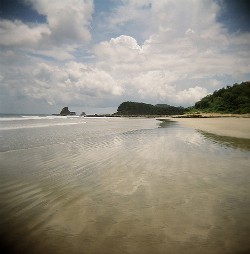
So for travelers who plan to base themselves in the country’s two most popular places, the colonial city of Granada and San Juan del Sur, on the Pacific, are there some excursions you recommend to get off the beaten path?
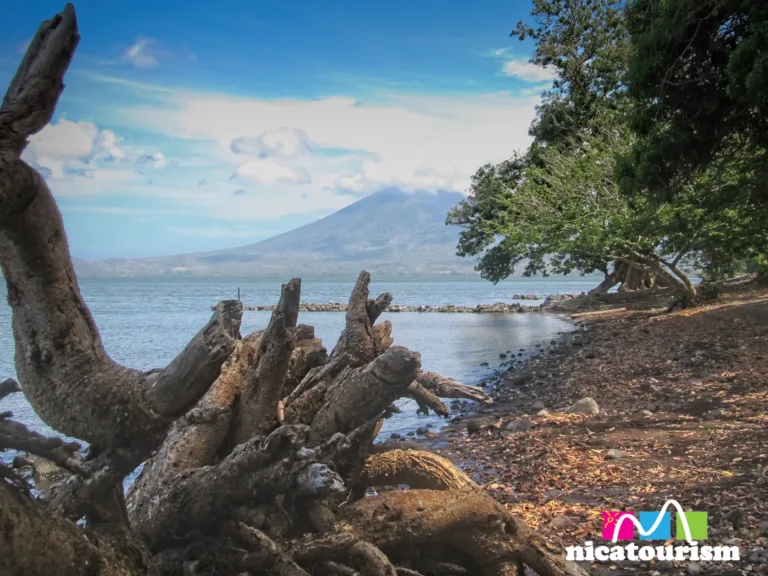
Ometepe Island can be done as a day trip from San Juan del Sur, but you might prefer to stay for a couple days. It’s an island made up of twin volcanoes that’s in the center of a lake. There are volcano hikes and the views are fantastic and the nature and wildlife are amazing. One of the volcanoes is active and it’s often smoking into the skyline. It’s pretty spectacular.
There are also beaches to the south that, because the road access isn’t very good, aren’t crowded and you can often see turtles coming ashore to lay eggs.
Is it easy to get away from the crowds in San Juan del Sur?
Absolutely. There are at least 5-6 beaches within a half hour of San Juan. But in the rainy season, you need a 4 x 4 to get to them. You can have a non-touristy experience very close to a tourist center.
There are some great excursions from Granada as well. You can tour the isletas; there are several hundred tiny little islands at the foot of the Mombacho volcano in the lake. Some of them are just big enough for a house. You can mountain bike on Mombacho or do hiking tours. The Laguna de Apoyo swimming hole is another great trip from Granada. It’s a beautiful, extinct volcano crater and there are a few small hotels and an eco-resort there. It’s very peaceful and quiet and it’s only about a half hour from Granada.
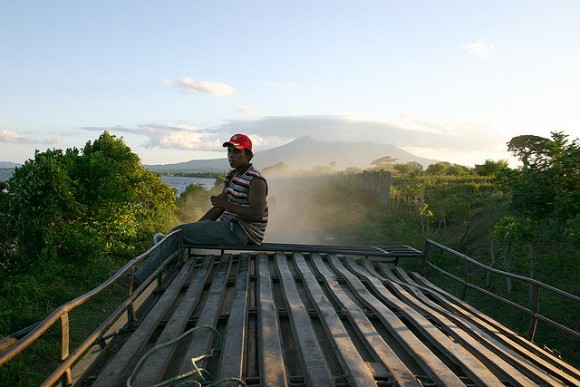
Do most travelers need a rental car?
It depends on the aim of your travels. You can get everywhere on buses and there are also shuttles to get you to places like Leon, Granada and San Juan in an air-conditioned mini-van, which is a step up from the chicken buses you hear about. To get to the major cities and towns, you will have a choice between chicken buses or other buses or collectivos, which are shared minivans that leave from bus stations once they are full.
In the book, you recommend a two-week, best of Nicaragua itinerary that takes travelers to Granada, Masaya, Ometepe, San Juan del Sur, San Ramon and Big Corn Island. Is that very ambitious for two weeks?
It’s ambitious but it depends how much time you want at each place. If you’re into beaches, you might want to spend more time around San Juan. If you’re into culture you might spend more time in Granada, Masaya or Leon.
For travelers who want a relaxing beach holiday and they have time for just the Caribbean or the Pacific coast, how should they decide where to go?
Once you get to the Corn Islands, there’s great diving and snorkeling and fishing but there are no volcanoes, no hustle and bustle, no crafts. There’s more diversity of things to do on the Pacific side.
What are some must-do experiences in Nicaragua?
Volcano boarding at Cerro Negro, near Leon is really unique to Nicaragua. You can sit down and do like a sled type of volcano boarding or you can do it on a modified snowboard. But to ride down the ash and grit and rock of the crater of an active volcano is pretty memorable. There’s no other country where you can slide down an active volcano, so that’s a huge draw. It’s about three hours from Granada, but it’s near Leon and Leon is a great alternative to Granada. You have the same colonial charm but it’s slightly younger and less trafficked.
So Leon is an alternative to busier Granada. What’s a good alternative to San Juan del Sur?
From Leon, there are two nice beach communities, Poneloya and Las Peñitas, which are less popular with surfers but they are very lovely beaches.
What about food and drinks in Nicaragua?
The thing that most people want to try and also bring home with them is Flor de Caña rum. I wasn’t a rum drinker but it’s incredibly drinkable. It’s world-class rum. Everyone leaves with a few bottles of it. Rum is cheaper than water. A half-liter goes for $7 roughly. A cocktail at a bar could be $3; $4 would be a stretch actually.
Beer is also cheap in Nicaragua, right?
It’s very cheap. There are three primary national brands. It’s about $1 per beer at a bar.
What about food?
Everyone should try gallo pinto, which is refried beans with rice mixed together and eaten with a chili hot sauce. And there is a lot of vigoron, and fried and stewed porks, often served with yucca or cabbage. There is also a breakfast food that is like a tamale called nacatamal, traditionally eaten on weekends, where people throw in all kinds of ingredients left over from the week.
In the book you wrote about the tensions between the gringo community and locals in San Juan del Sur, and how that came to a boil in 2007 when an American, Eric Volz, was imprisoned on pretty flimsy grounds for allegedly murdering his ex-girlfriend. (He was later released.) There was some ugly anti-American sentiment at that time, has that died down?
That’s history. I think Nicaraguans mostly see the benefits of having foreigners here. There are elements of tourism that people here enjoy and other elements that trouble people. Anti-gringo sentiment isn’t unique to San Juan or Nicaragua. The doors are open to foreigners here, no matter where they are from.
Nicaraguans boast that it’s the safest country in Central America. Is that a fact?
It’s hard to say. In general the crime here is opportunistic, and petty, not violent crime. I’m a solo female traveler and I’ve lived here for five years. Incidents can happen anywhere in the world.
Do you worry that too many gringos will discover Nicaragua?
It’s an unpredictable country and I think a lot of travelers will fall in love with the place and spread the word. Tourism will continue to grow, but I don’t see it ruining what is special about Nicaragua or the authenticity of the experience here. Most tourists are going to stick to the most popular destinations, so you’ll always be able to go to the cowboy central lowlands and highlands of the country and not see a single tourist. Nicaragua will continue to keep its doors wide open and I don’t think it’s going to change much.
[Photo credits: Javier Losa, Alex Barth and thombo2 on Flickr, Amber Dobrzensky]

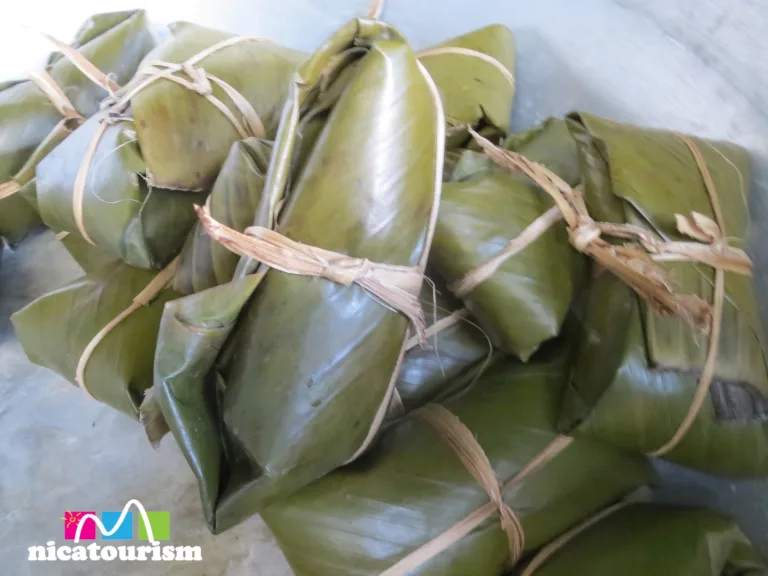
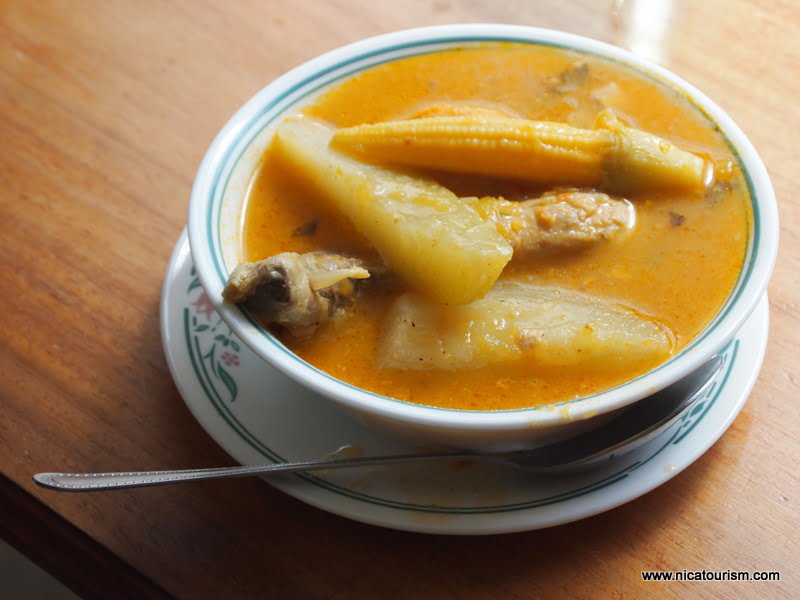
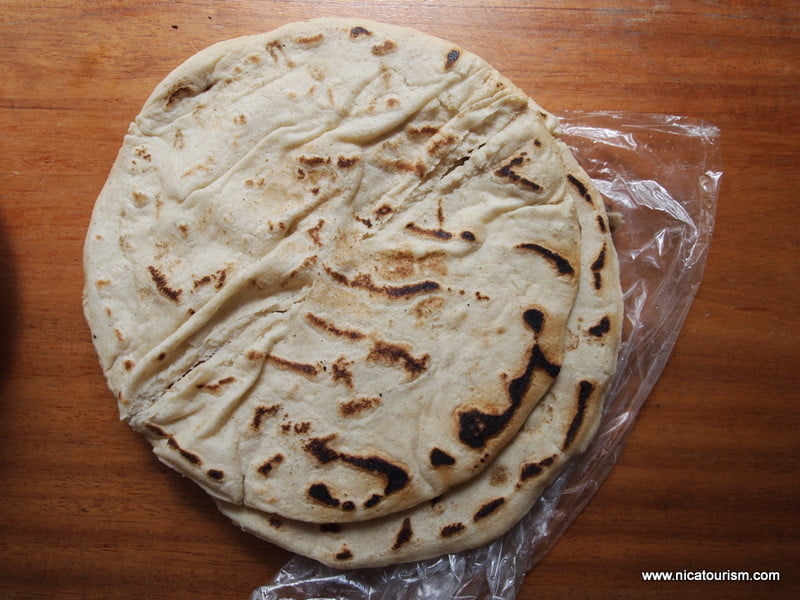
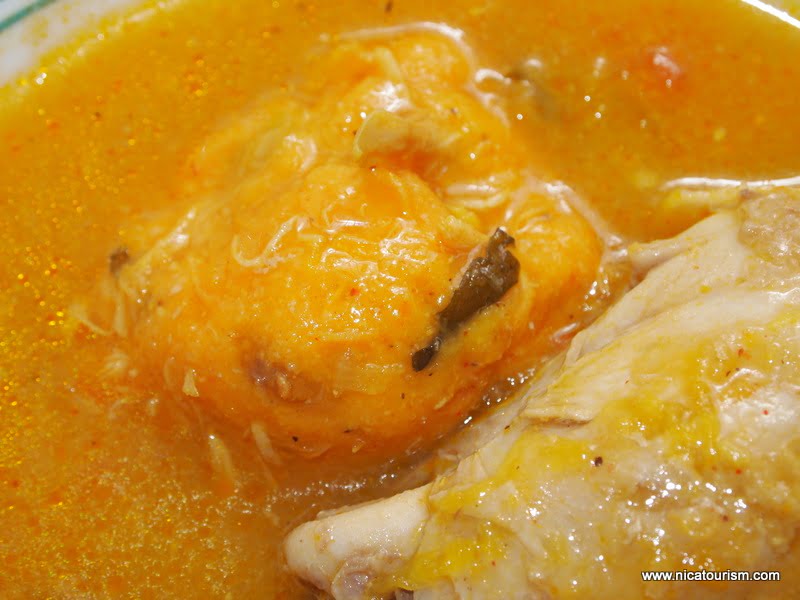
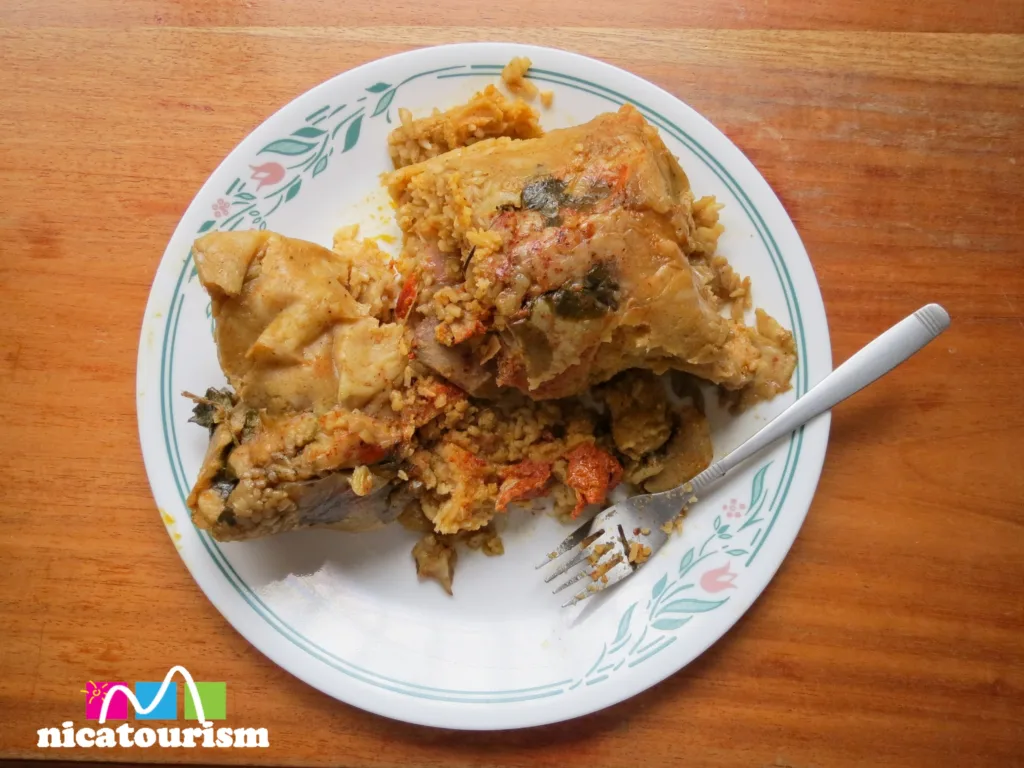 I ate a yummy typical breakfast today – that