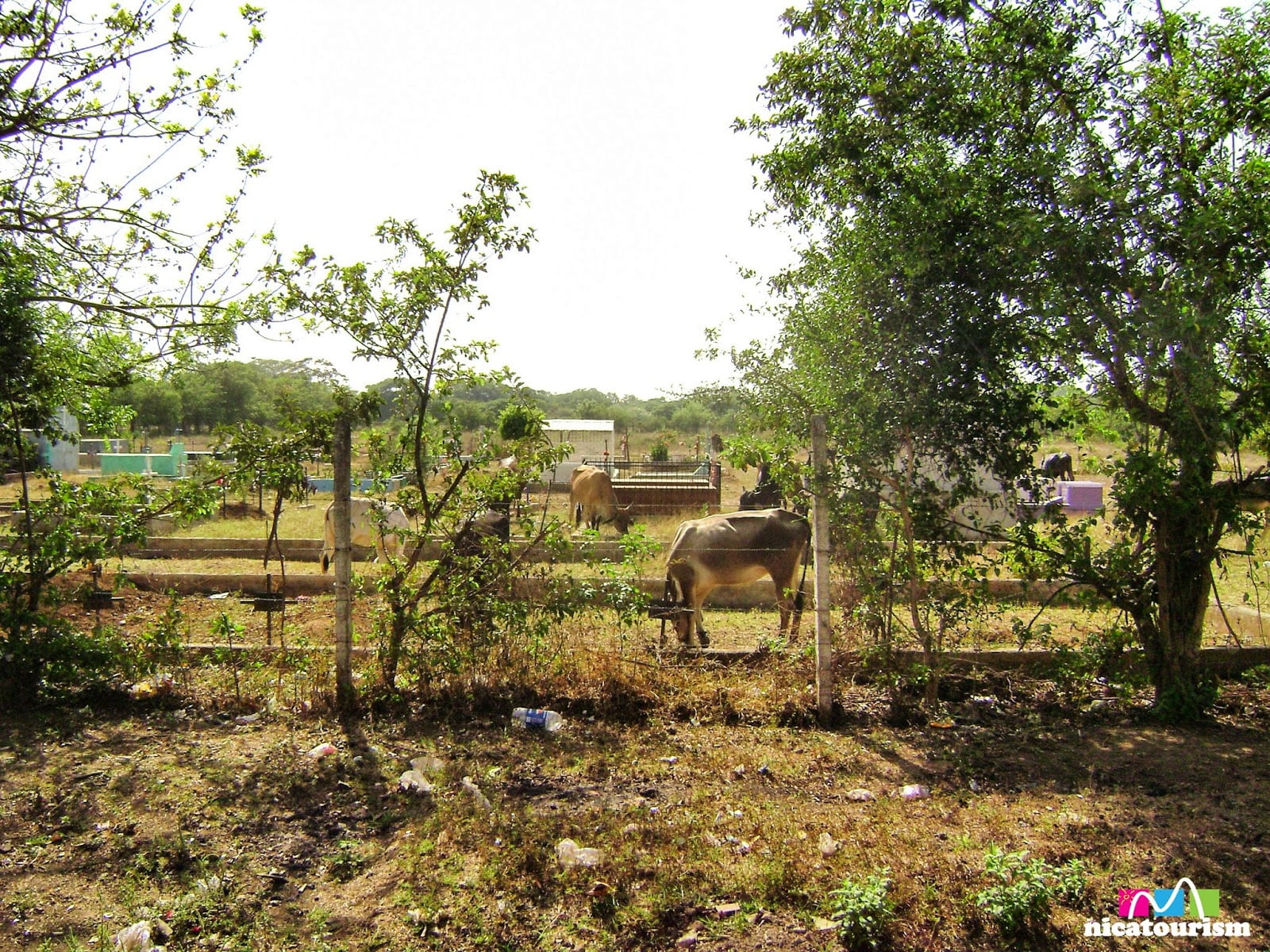
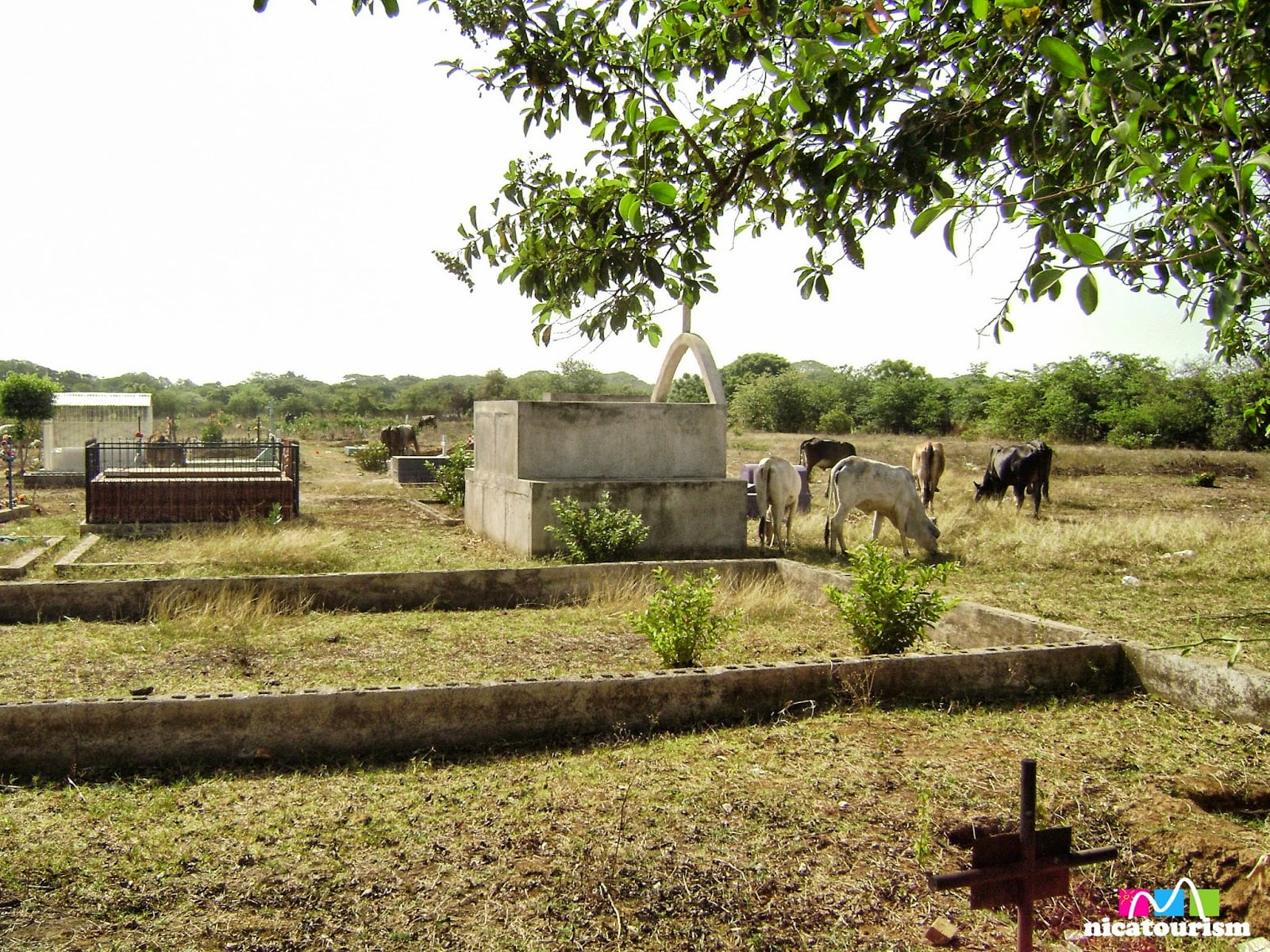
These cows help to keep the grass neat and trim here at this cemetery en El Realejo, Chinandega. They say their milk is exquisite! 4/28/99
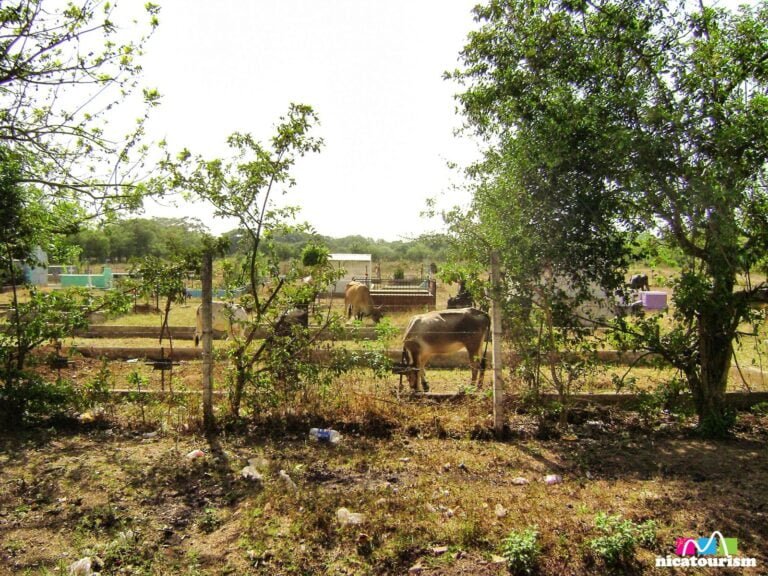
These cows help to keep the grass neat and trim here at this cemetery en El Realejo, Chinandega. They say their milk is exquisite! 4/28/99
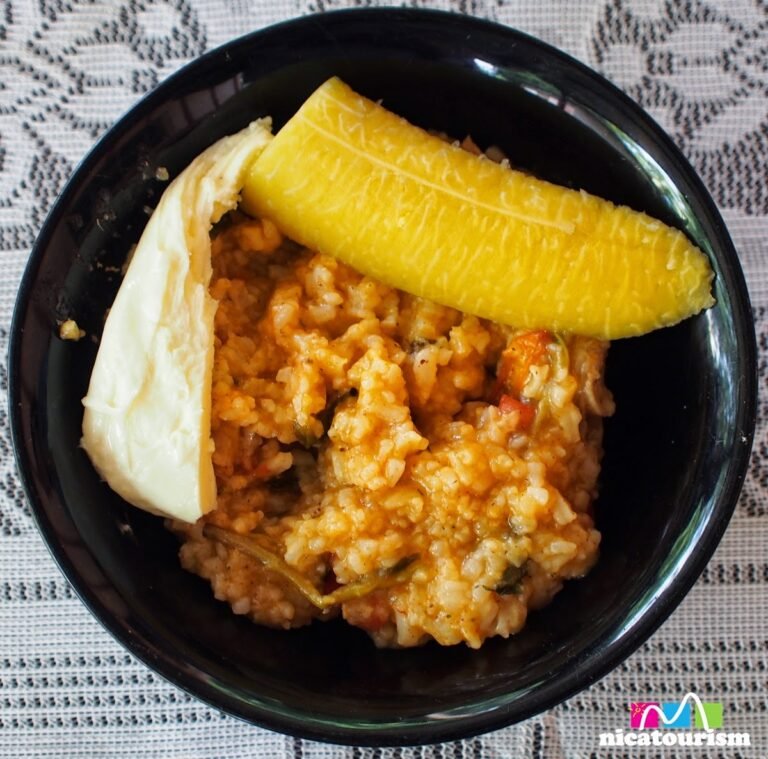
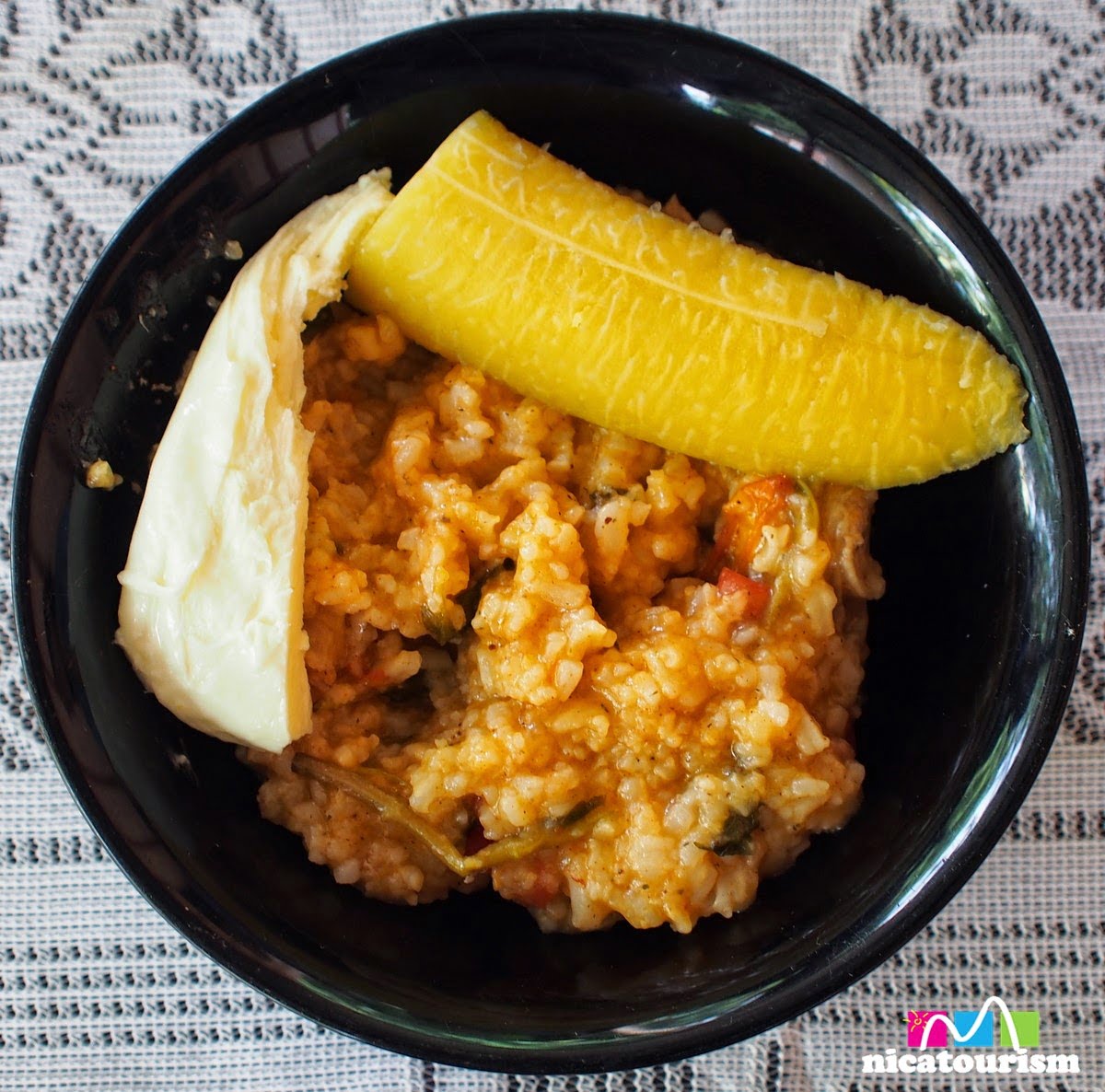
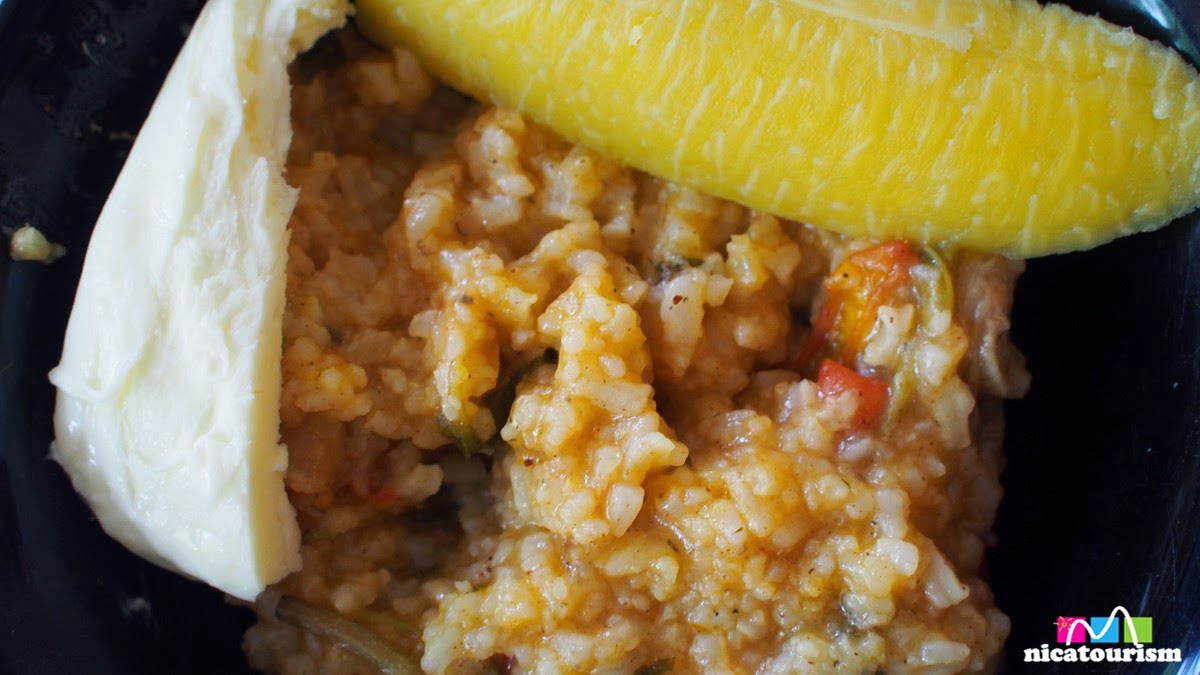

If you get a chance to eat lunch with a Nicaraguan family, and they ask you what you would like to try, say “Quiero probar arroz aguado de chancho.” This is one of the lesser known Nicaraguan delicacies….and I am sure you are going to love it! Have you eaten a nacatamal? Let’s say that this would be a squishy cousin to the nacatamal (without the corn based dough, of course). You have to eat it piping hot and it’s even better with a boiled sweet plantain and a piece of quesillo or other local cheese.
There are a couple of good recipes available on Internet. I personally would opt for this one (it’s in Spanish). Here is another version in English. They both look like pretty good recipes…but like I said, go to somebody’s house…much better that way!


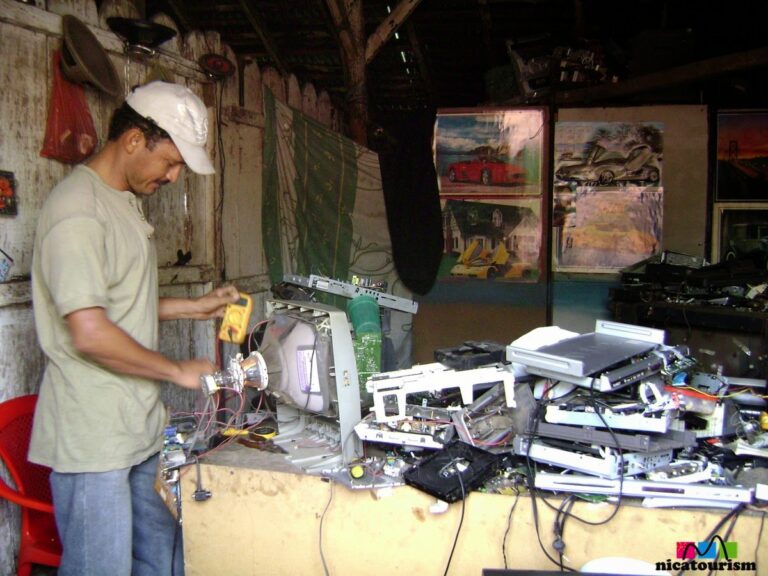
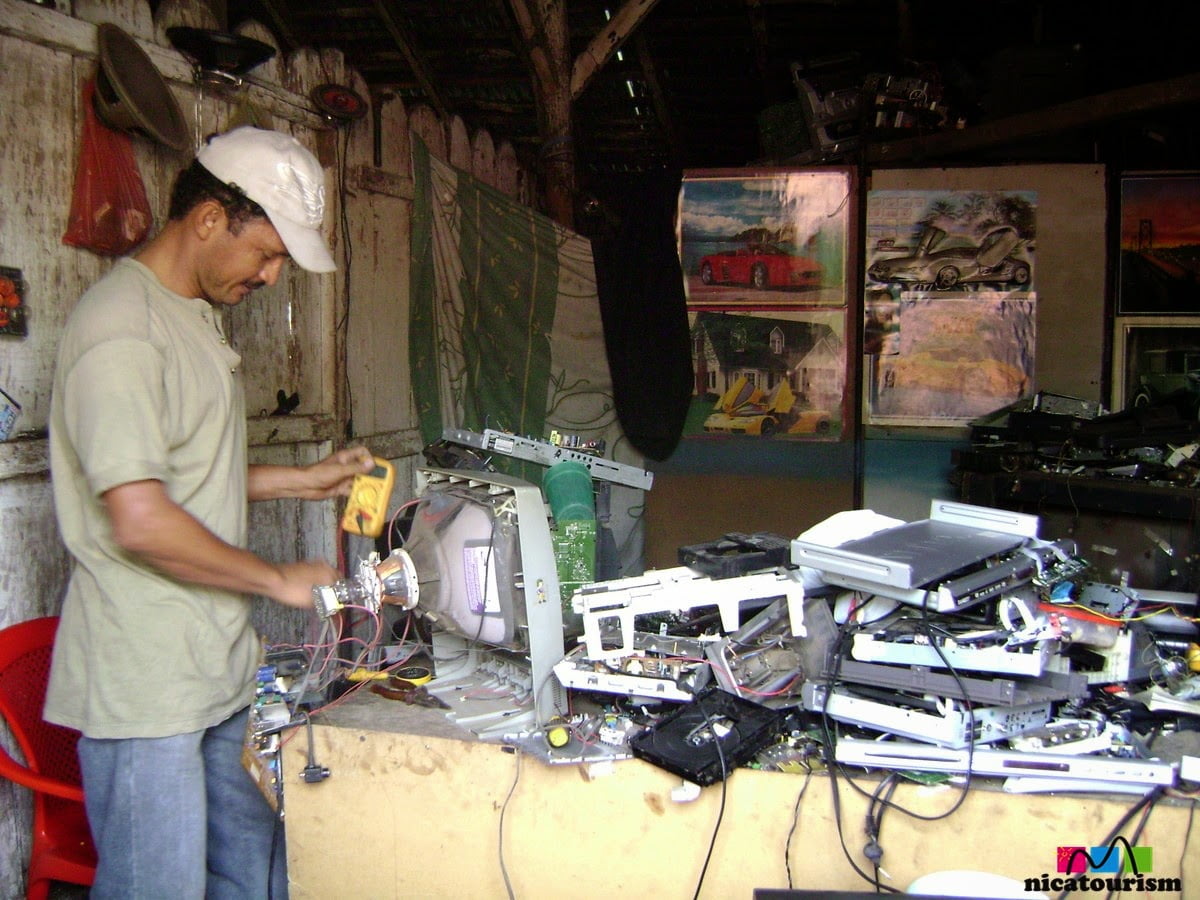
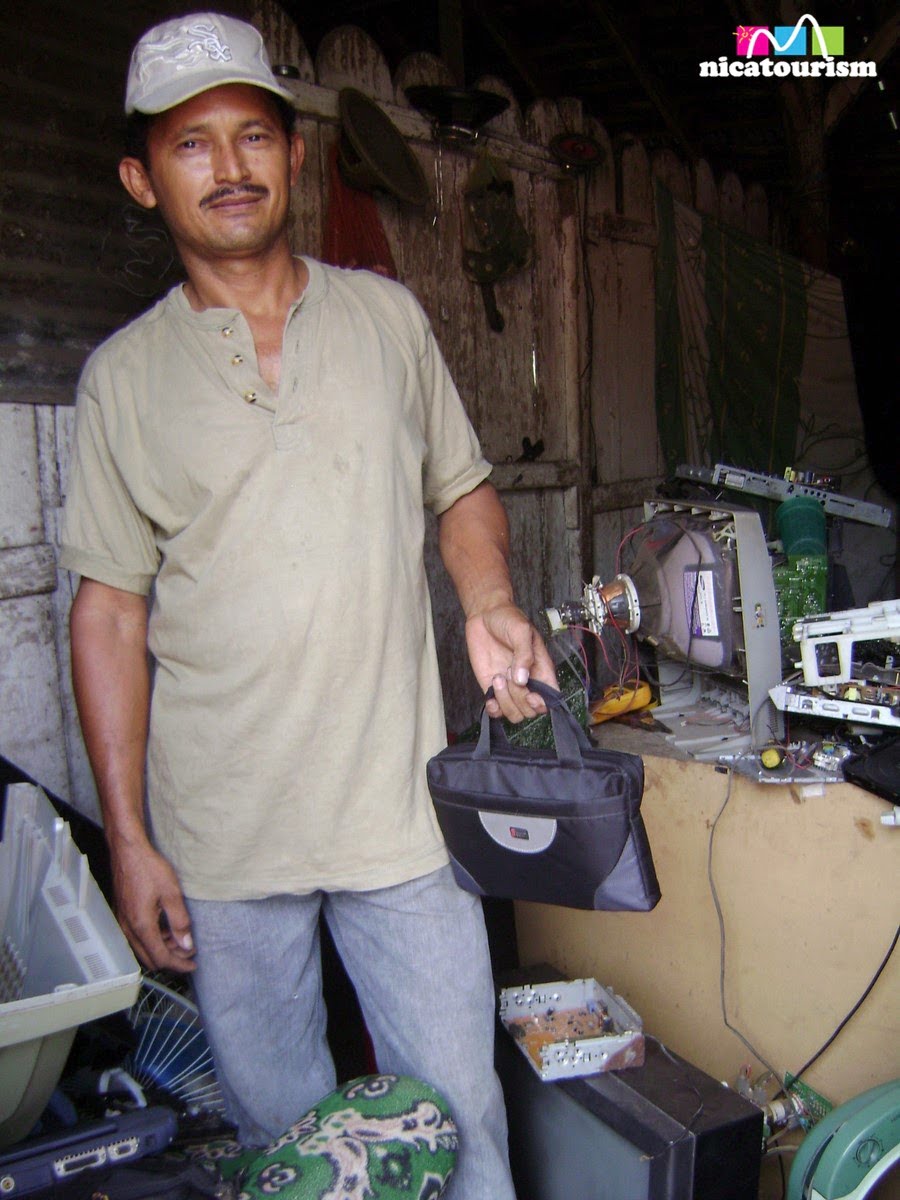
My portable DVD player is having problems. So I took it to Angel’s shop on the main drag in Chinandega, Nicaragua. Believe it or not, you can get almost anything fixed here. His shop may not be too convincing but I hope to have the DVD player back by tomorrow, running and humming as normal, all for a couple of bucks. Nice, huh?
4/28/09
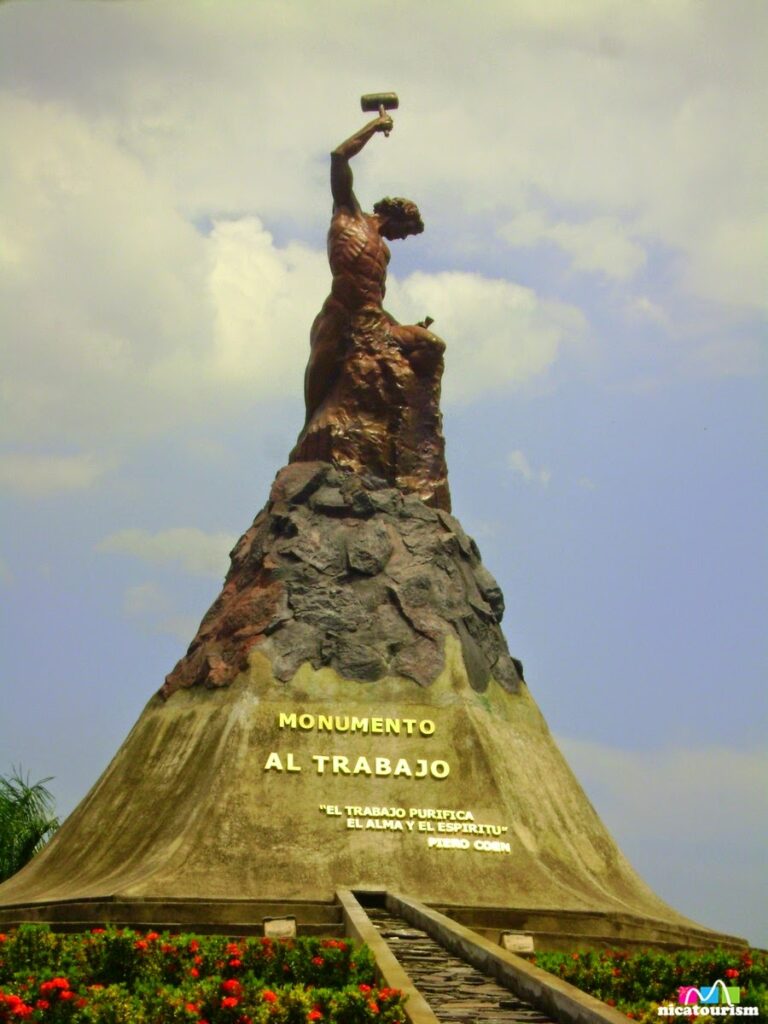
Check this out. It’s at the entrance of Chinandega in the roundabout. It’s dedicated to the working class and it’s a man chiseling himself out of stone/iron. Cool huh? Click on it to see it bigger.
Miren esto. Está ubicado en la rotonda de la entrada de Chinandega. Esta estatua se dedica a los trabajadores…consiste de un hombre que se está cincelando a si mismo de la piedra/hierro. ¡Impresionante! Dale click para ver la foto en grande. 7/17/09
Many people choose to visit both Nicaragua and Costa Rica on a trip to Central America and have asked about the best way to travel between the two countries. It’s a really simple process and here I am going to lay it out step by step with approximate times (the timing can vary greatly depending on the time of year you travel – mostly depending on how long the immigration procedures take).
There are several international bus lines available between Nicaragua and Costa Rica: TicaBus and Transnica are the most popular. They basically offer the same services and quality. On this occasion, we traveled with Transnica..
The Transnica agency is located behind la Catedral Metropolitana, near the DGI offices. In San José, here is the address. It’s well known by taxi drivers. Here is the link to their website, which has a lot of problems and seems pretty cheesy at the moment. We purchased our tickets in person a few days in advance and directly from the offices. That is probably what you will have to plan on doing whether you are in Managua or in Costa Rica. The cost from Managua to San José at 5, 7 or 10:00 a.m. is $28.75. The cost from San Jose to Managua at 4, 5 and 9:00 a.m. is $26.50.
When you cross into either country, the law requires you to have proof of passage leaving the country. In other words, if you want to go one way into Costa Rica, you either have to buy a return ticket (you can leave it without a date and it doesn’t expire) or show them your onward travel ticket (such as leaving from the San José airport, which was our case). If you are backpacking and don’t have set plans, basically you have to buy the second ticket getting you out of the country at some point in the future. A convenient law for these busing companies…
OK. Ready for this? Here it comes, down to the finest details. If you don’t see something you need to know, please feel free to leave a comment and I will be happy to get you the information.

We opted for the earliest bus – 5 a.m. They ask you to be there at 4:15 a.m.
Check-in – line to show tix, weigh and check bags (1 bag, 35 kg each)
Fill out 1 customs form and 2 immigration forms


Transnica has a nice fleet of new and very comfortable buses. Take a jacket for the AC.
The bus left the terminal at 5:07 a.m. Along the way, it stopped in Masaya, Granada, Rivas, and a few other spots to pick up passengers. In any of those cities, you can board the bus or get off on your return (same ticket price). If you are boarding other than in Managua, you can buy tickets at local agencies. Just ask around.
A bus agent passes through the bus a bit before 7 a.m. taking everyone’s passport and collecting a fee: C$20 each for Nicaraguans and $3 for foreigners. They take care of the movement at the border.
Note: Nicaraguan residents must have an exit visa. It can be purchased forC$200 at the border, just like it can be purchased at Migración Offices or at the Managua International Airport.
We arrived at the Nicaraguan border, Peñas Blancas, at 7:50 a.m. We got off the bus at 7:55 a.m.
Here you have at least 20 minutes to check out the duty-free stores. I bought coffee at two of the three duty-free shops. It’s better to buy it in Nicaragua at La Union or Pali – it’s cheaper. i.e. Cafe Las Flores here costs $10. In La Union, it costs 6.50. A liter of Flor de Caña 7 years costs $9. I bought it for $7.40 (a good sale).
At 8:40 a.m. we moved out to the Costa Rican border.
There we had to take all our luggage and pass through immigration and customs. Remember that if you don’t have CR residency or proof of being in transit ( a ticket leaving Costa Rica) you must purchase one at one of the few ticket counters outside the Immigration building.
After getting into the immigration area, you must leave your bags against the west wall and wait in line to be attended to. After immigration, you again get your bags and take them to the customs X-ray machines. Turn in your customs form and collect your bags to put them again on the bus.
At 9:20 a.m. we were on our way to San Jose. En route, we arrived at Liberia at 10:25 a.m. (a popular jumping-off spot for the beaches in Guanacaste, Costa Rica).
At 12:00 noon we had our first highway robbery – a restaurant called El Malinche. Arroz con pollo and a few sides for c2700 (more than $5). A 600 ml Coke for almost $2. Longing for Nicaraguan prices…pura vida. About 1 1/2 hours from here ’til the airport…. (they say).
We arrived at the airport at 2:10 p.m. After looking for the Courtyard Marriott shuttle, we were off to the hotel. It’s a great place to stay cause it’s only 0.3 km from the airport. The shuttle runs every half hour from 4 a.m. to 12 midnight.
For what it’s worth, Walmart (with its Costa Rican selection of goods) is right next door (a minute’s walk). Got some good soup, bakery goods, and drinks there…a lot cheaper than the hotel lobby “restaurant” that had basic food for $10+.
The following morning, we awaited the shuttle but didn’t get on the first one. 15 minutes later he was back and the airport is just a 5-minute drive so we arrived just fine. No wait in the airport departure tax line (everybody who is a tourist has to pay the hefty $29.00 tax before checking in for your flight). Sometimes they say it is an hour’s wait. You can prepay in the hotel for a $4 service fee (Might be worth it for one or two persons but not for a group).
That’s the trip from Nicaragua to Costa Rica, on
this occasion to catch a pretty cheap flight out of Costa Rica. An incident-free trip if you know what you are doing….you can read a related article here.



What an incredible performance by Dyango last night at the iconic Rubén Darío National Theatre in Managua, Nicaragua! Despite appearing tired and aged, the legendary Spanish singer delivered a voice that remains powerful, soul-piercing, and timeless. No one would dare call Dyango old – he proved once again why he is truly a classic!
Dyango captivated the sold-out crowd for nearly two hours, showcasing his incredible vocal range and emotional depth. He closed with the much-requested “Corazón Mágico” followed by a tango encore that brought the house down. Among the evening’s most moving moments were his heartfelt renditions of “Volverte a Ver” and “Cuando quieras, donde quieras”, which left the audience breathless.
The Nicaraguan audience completely won over this musical icon, who expressed his immediate admiration and love for the country. Dyango even joked about buying his own island on Nicaragua’s Caribbean Coast after learning they were available for “$100,000“! He raved about trying the best Nicaraguan steak he’s ever had – high praise from such a renowned steak lover. In a special tribute, he performed “Son tus perjúmenes mujer” by Nicaragua’s beloved composer Carlos Mejía Godoy.
This bittersweet evening marked the near end of Dyango’s remarkable 50-year musical career. Many in the packed Rubén Darío Theatre discovered his rich repertoire for the first time – and undoubtedly headed straight to iTunes (or their streaming service of choice) to explore more of this living legend’s timeless music. Last night proved Dyango’s legacy will live on for generations!
Venue: Rubén Darío National Theatre, Managua, Nicaragua
Artist: Dyango (Nearly 50 years of music)
Highlight Songs: “Corazón Mágico”, “Volverte a Ver”, “Son tus perjúmenes mujer”
Status: Sold-out performance
¡Qué increíble actuación de Dyango anoche en el icónico Teatro Nacional Rubén Darío de Managua, Nicaragua! A pesar de verse cansado y envejecido, el legendario cantante español demostró una voz poderosa, conmovedora y eterna. Nadie se atrevería a llamarlo viejo – ¡Dyango demostró por qué es un clásico viviente!
Dyango cautivó al público hasta el último asiento durante casi dos horas, mostrando su impresionante rango vocal y profundidad emocional. Cerró con el mucho solicitado “Corazón Mágico” seguido de un encore de tango que hizo estallar el teatro. Los momentos más emotivos incluyeron sus sentidas interpretaciones de “Volverte a Ver” y “Cuando quieras, donde quieras”, que dejaron al público sin aliento.
El público nicaragüense conquistó completamente a este ícono musical, quien expresó su admiración inmediata y amor por el país. ¡Dyango incluso bromeó sobre comprar su propia isla en la Costa Caribe nicaragüense al enterarse que se venden por “$100,000“! Elogió el mejor corte de carne nicaragüense que ha probado jamás – un gran elogio viniendo de un amante de la carne como él. Como homenaje especial, interpretó “Son tus perjúmenes mujer” del querido compositor nicaragüense Carlos Mejía Godoy.
Esta noche agridulce marcó el casi final de la extraordinaria carrera musical de 50 años de Dyango. Muchos en el repleto Teatro Rubén Darío descubrieron su rica discografía por primera vez – ¡y seguramente corrieron a iTunes (o su servicio de streaming favorito) para escuchar más de esta leyenda viva! Anoche quedó probado que el legado de Dyango perdurará por generaciones.
Lugar: Teatro Nacional Rubén Darío, Managua, Nicaragua
Artista: Dyango (Casi 50 años de música)
Canciones destacadas: “Corazón Mágico”, “Volverte a Ver”, “Son tus perjúmenes mujer”
Estado: Funciones agotadas
昨晚迪扬戈在尼加拉瓜马那瓜标志性的鲁文·达里奥国家剧院献上了一场令人惊叹的演出!尽管看起来疲惫且岁月留痕,这位传奇西班牙歌手依然展现出强大、震撼人心且永恒的嗓音。没人敢说他老了——迪扬戈再次证明自己是真正的经典!
迪扬戈用近两个小时的演唱完全征服了满座的观众,展现了他惊人的音域和情感深度。他以备受期待的《魔力之心》(Corazón Mágico)收尾,随后献上探戈返场曲,让全场沸腾。最动人的时刻包括他对《再次见到你》(Volverte a Ver)和《随时随地》(Cuando quieras, donde quieras)的深情演绎,让观众屏息凝神。
尼加拉瓜观众彻底俘获了这位音乐巨星的心,他表达了对这个国家的即时喜爱和钦佩。迪扬戈甚至开玩笑说要买下加勒比海岸的一座岛屿——得知岛屿售价仅”10万美元“后更是跃跃欲试!作为美食家,他盛赞品尝到了人生中最好的尼加拉瓜牛排。作为特别致敬,他演唱了尼加拉瓜著名作曲家卡洛斯·梅希亚·戈多伊的《女人,你的香水》(Son tus perjúmenes mujer)。
这个苦乐参半的夜晚标志着迪扬戈50年辉煌音乐生涯接近尾声。许多首次接触他音乐的观众在满座的鲁文·达里奥剧院发现了这位传奇的丰富曲目——他们肯定已经冲向iTunes(或其他流媒体平台)去探索更多这位活着的传奇音乐。今天,迪扬戈的传承必将流传后世!
场地:鲁文·达里奥国家剧院,马那瓜,尼加拉瓜
艺术家:迪扬戈(近50年音乐生涯)
亮点歌曲:《魔力之心》、《再次见到你》、《女人,你的香水》
状态:门票售罄
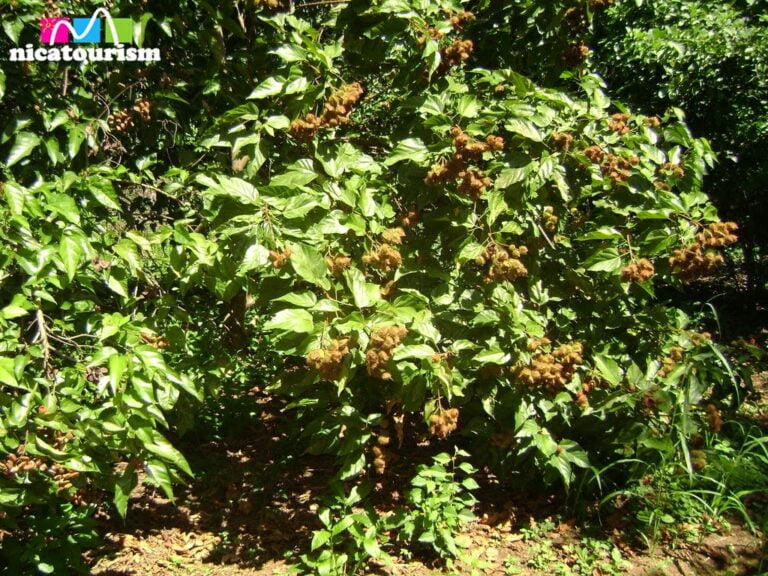
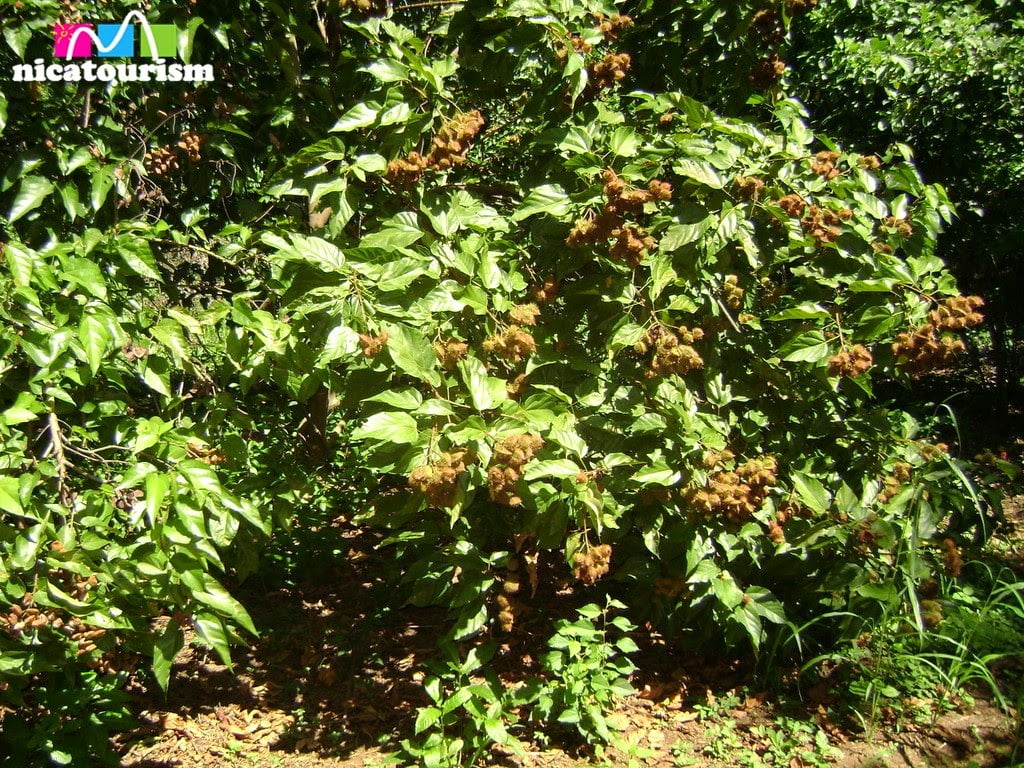
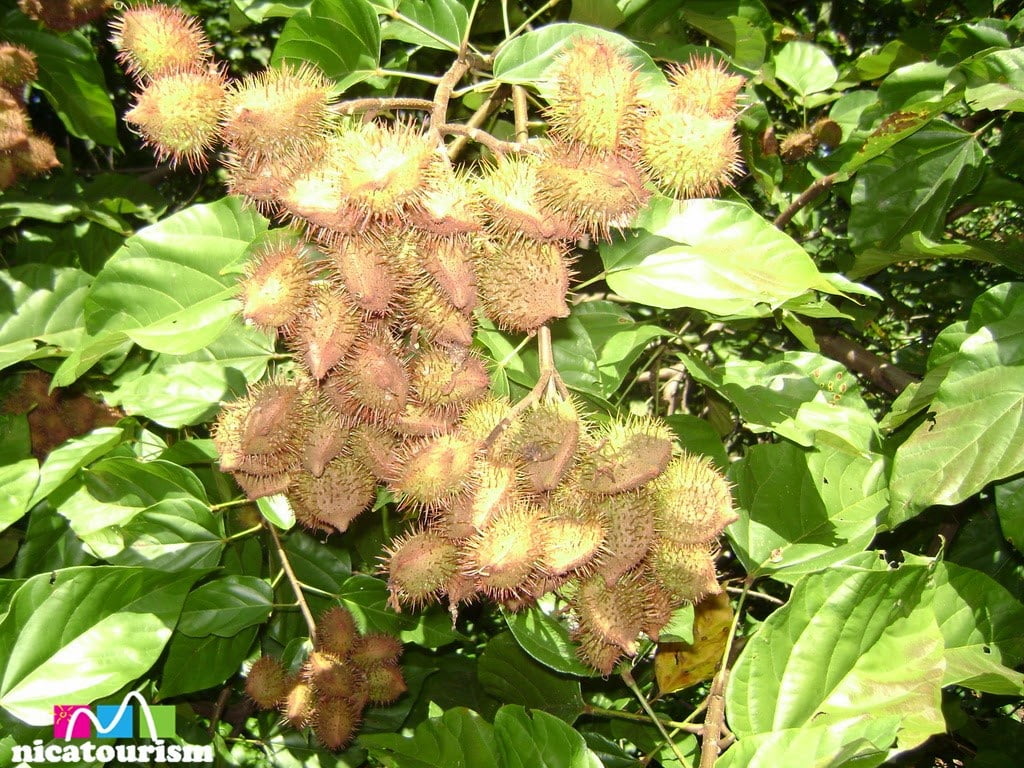
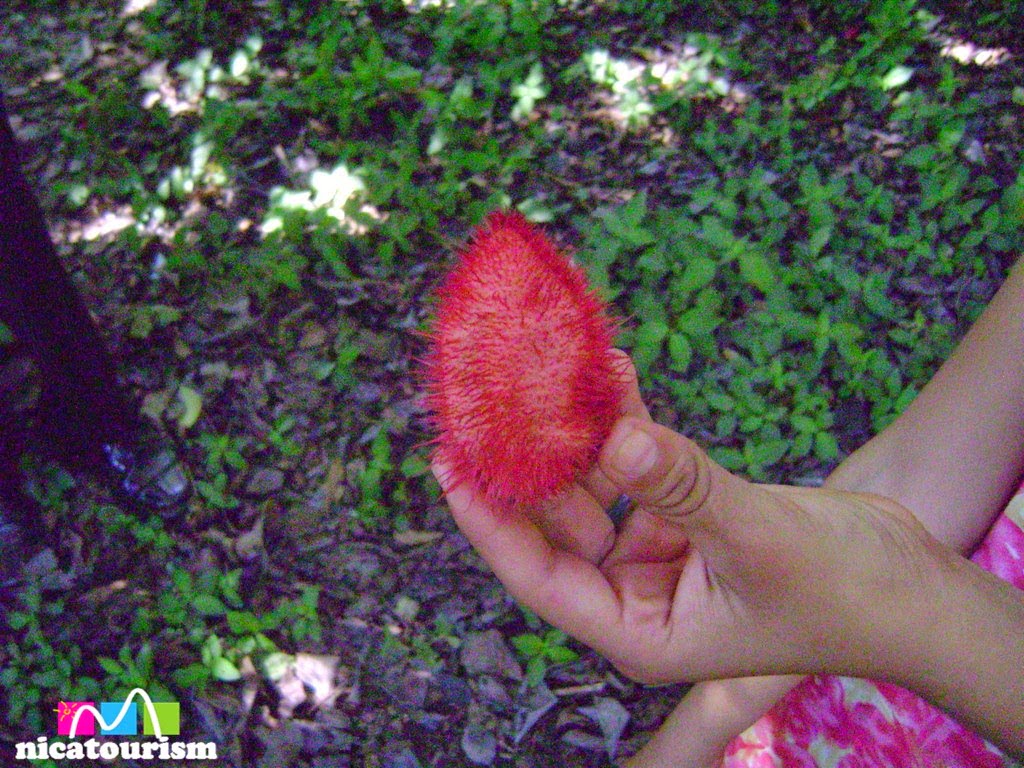
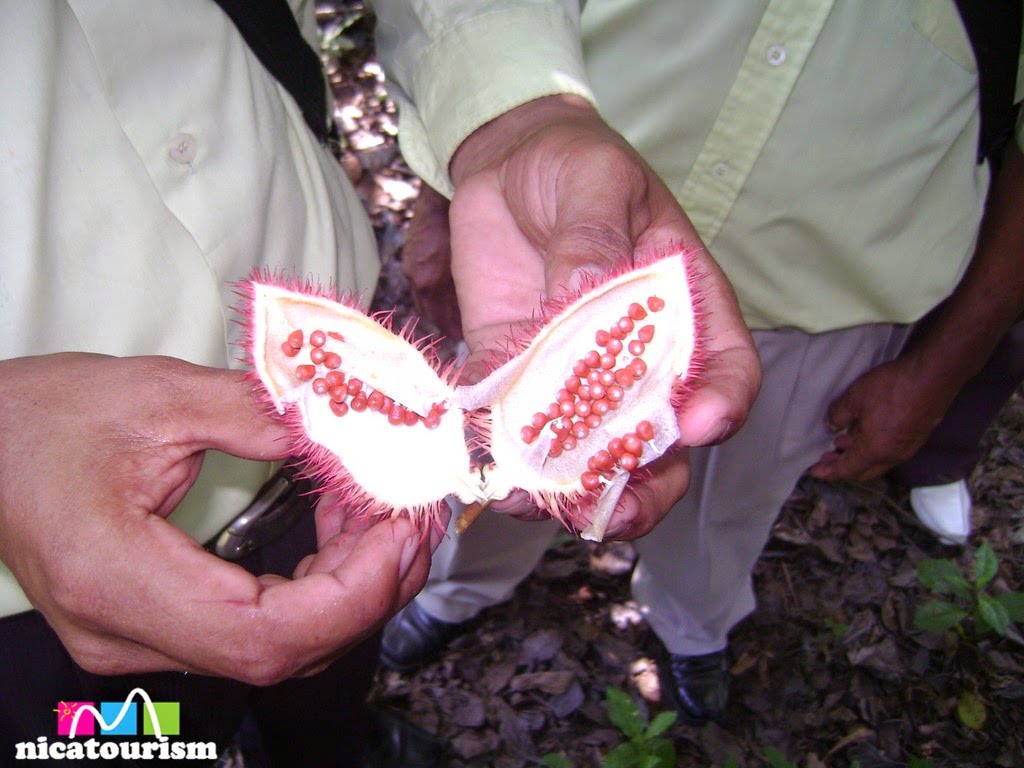
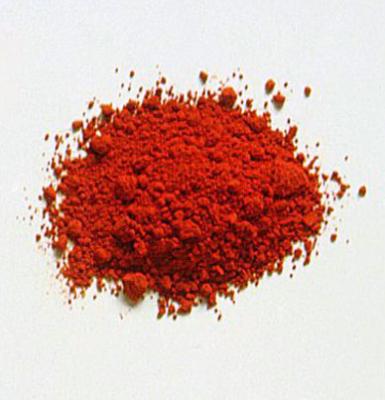
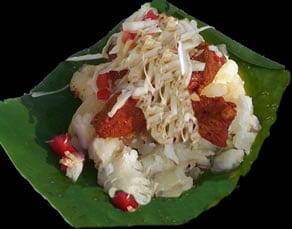
The inedible fruit is harvested for its seeds, which contain annatto, also called bixin. It can be extracted by stirring the seeds in water. It is used to color food products, such as cheeses, fish, and salad oil. Sold as a paste or powder for culinary use, used especially in the Nicaraguan famous “pork with yuca“.
Esta fruta no comestible se cosecha por sus semillas que contienen annatto, tambien llamado bixin. Se extrae mediante mover las semillas en agua. Luego se ocupa para colorar comida como queso, pescado y aderezo. Se vende como pasta o polvo para uso en la cocina. Es especialmente famoso en Nicaragua por su uso en “chancho con yuca”.
Nothing calls for a Hispanic Heritage Month celebration like a good plate of Latin food –especially when it’s abuelita’s cooking (but that’s whole different story). We do, however, bring you a taste of Nicaragua’s “Fritanga.”
SEE ALSO: Raspados/granizados: Shaved ice with a Latino flair
VOXXI traveled to colonial city of Leon, Nicaragua to discover more of this mouth-watering dish.
Fritanga is the typical home-style food of Nicaragua. The name ‘fritanga’ –pronounced “free-tang-ah”– derives from “frito” (Spanish word for fried.) And that’s exactly what a fritanga is –everything is fried. Not that healthy, but oh-so-delicious!
Tacos, sausages, chicken, beef, pork, enchiladas, gallo pinto, tortillas, fried cheese, natural juices, desserts, pastries and more are some of the foods that can be found at a fritanga.
“It’s the best food of Central America,” said Nicol Oconor to VOXXI about Nicaraguan food.
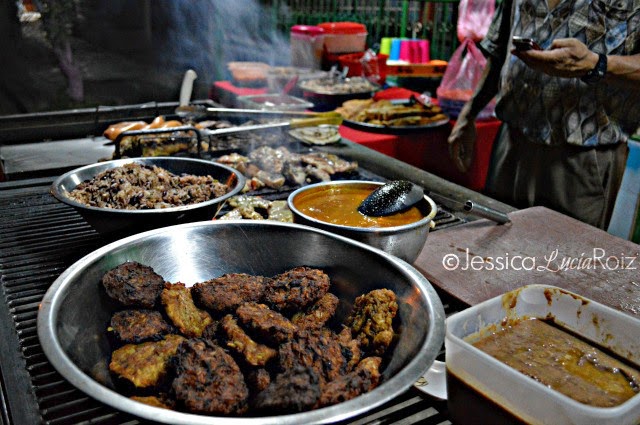
Fritanga is the authentic Nicaraguan cuisine. (Photo: Jessica Lucia Roiz/VOXXI)
Oconor, a chef who has his own Fritanga restaurant in Nicaragua called Bufalo Grill, also said that the people in Nicaragua know how to cook and make everything appetizing.
An authentic Nicaraguan plate consists of gallo pinto (mixed rice and beans), carne asada (roast beef), queso frito (fried cheese), cabbage salad and tortilla.
This typical dish can be found for about $10 in many fritanga businesses in the U.S. (primarily Florida and California). In Nicaragua, it’s sold for about $1 to $2 and it’s known as “comida corriente.”
Whether you buy a plate of fritanga in the states or in the Central American country, there’s one law that always applies: They serve a lot of food, and I mean a lot.
SEE ALSO: Celebrate your Hispanic Heritage with these rice dishes
Oconor, whose passion is to cook and has one of the most respectable fritangas in Leon, encourages everyone to grab a taste of the country’s authentic food.
“Once you try the Nicaraguan food, you will get a taste of the nation –a beautiful, free and sovereign country,” he said. “Nicaragua is a wonderful place because of its food and tourism.”
SEE ALSO: Celebrating Hispanic Heritage with the one and only: Grilled fajitas