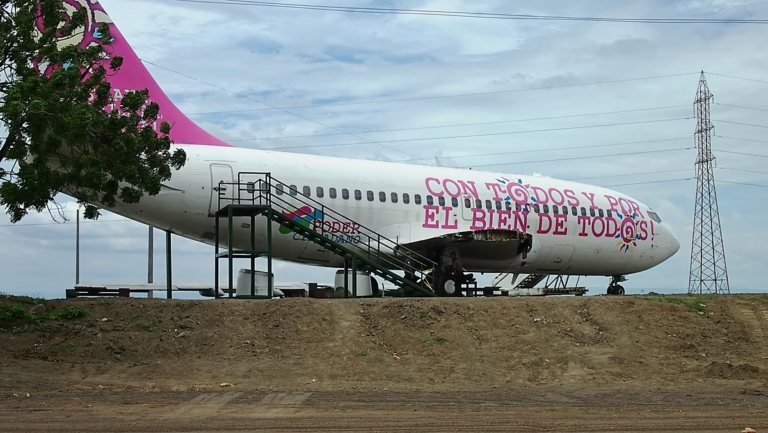
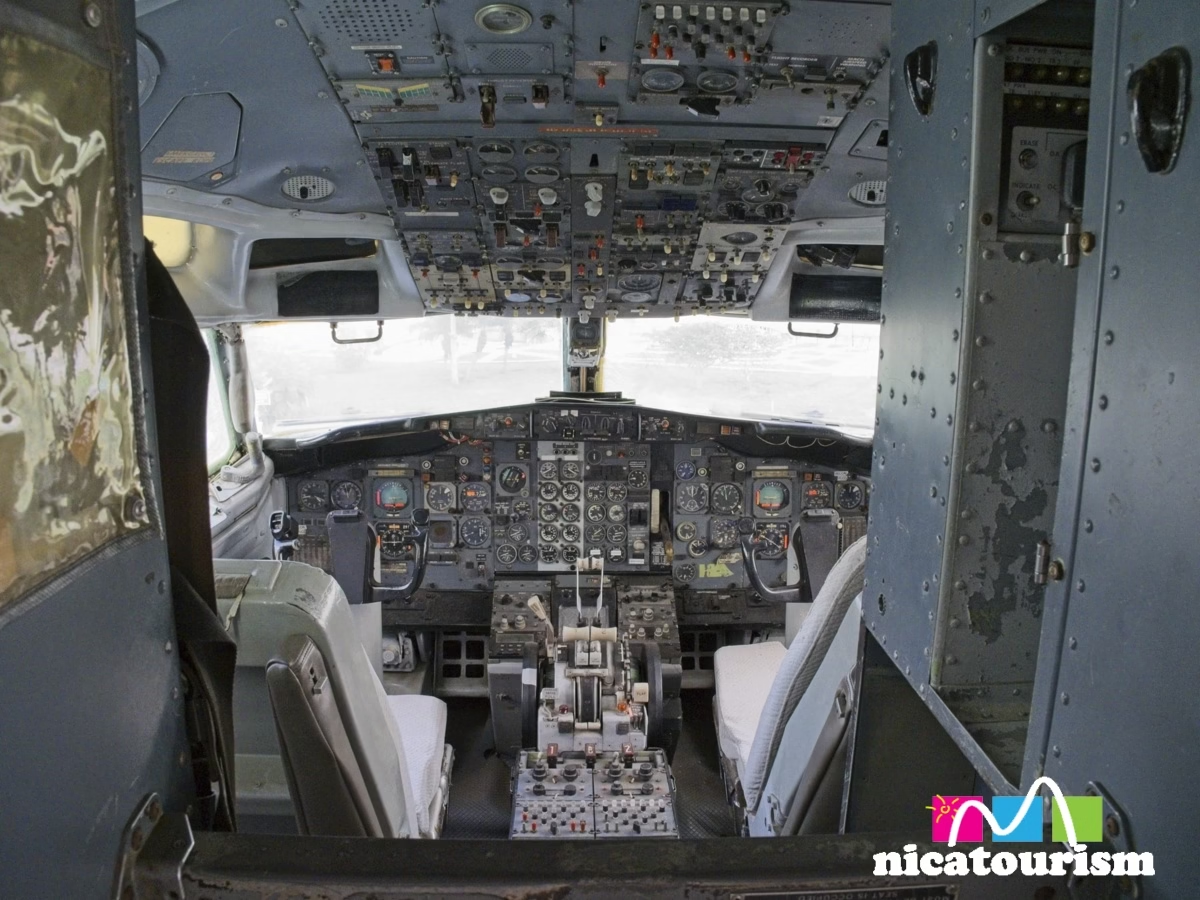
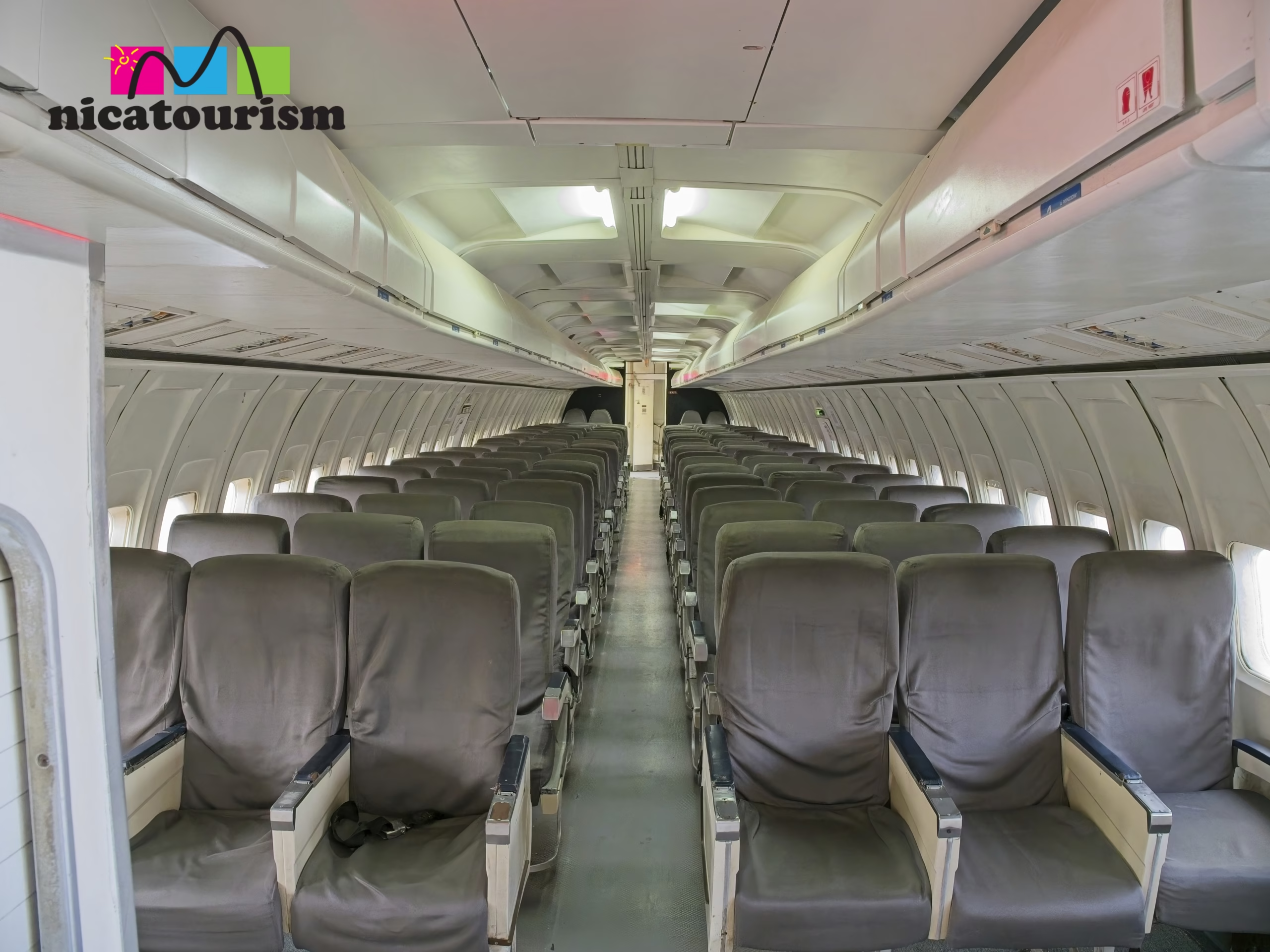
Although you probably flew in something bigger and newer to get to Nicaragua, you can go to Managua’s boardwalk (El Malecón or Puerto Salvador Allende) and walk through an old airplane – a Boeing 737-200. The airplane is part of the exhibits on the eastern end of the current boardwalk area.
View of cockpit of a Boeing 737-200 in Managua, NicaraguaView of seating area on a Boeing 737-200 from the cockpitView of seating area on a Boeing 737-200 from the back
It is a popular attraction, especially for those who are curious about what the inside of an airplane is like. Check it out. It is pretty cool.
Хотя вы, вероятно, прилетели на чем-то большем и новом, чтобы добраться до Никарагуа, вы можете пойти на променад Манагуа (Эль-Малекон или Пуэрто-Сальвадор-Альенде) и пройти через старый самолет - Боинг 737-200. Самолет является частью экспонатов на восточном конце нынешней променада.
Это популярная достопримечательность, особенно среди тех, кому интересно, как устроен самолет внутри. Проверьте это. Это довольно круто.
Árboles de la Vida – Managua’s Iconic Trees of Life (2026 Travel Guide)
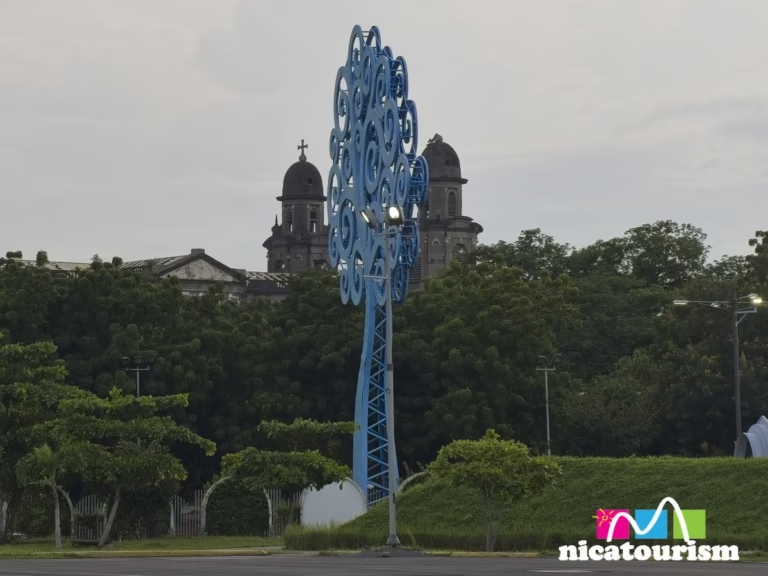
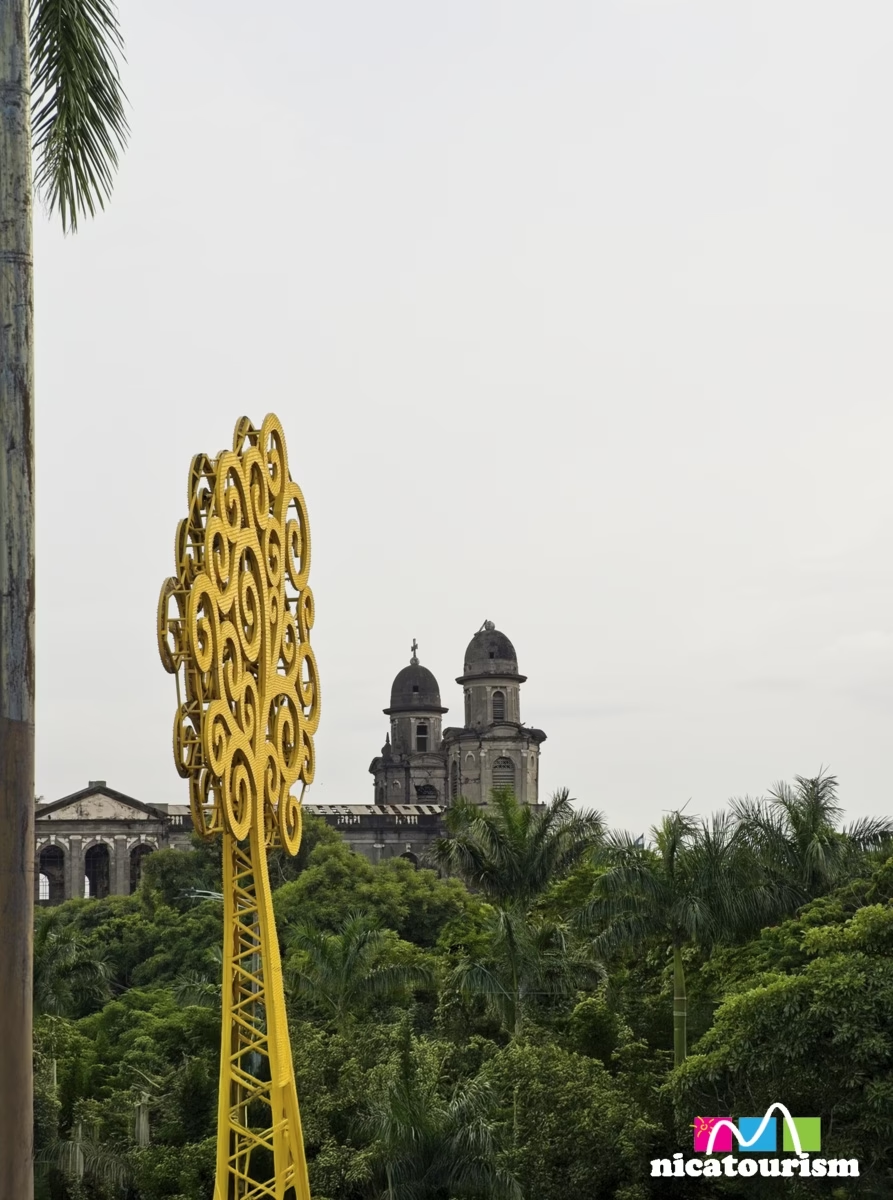
The Árboles de la Vida (Trees of Life) are breathtaking metallic sculptures that have completely transformed Managua’s urban landscape into a vibrant outdoor art gallery. Towering between 10 to 20 meters high (33-65 feet), these magnificent steel masterpieces feature intricately twisting branches and leaves meticulously painted in eye-catching colors like golden yellow, fiery red, sapphire blue, emerald green, and sometimes even metallic silver accents. Equipped with hundreds of strategically placed LED lights, they create mesmerizing, ever-changing displays that glow vividly against the tropical night sky, turning Managua into a city of light after sunset.
Part of an ambitious urban renewal and public art initiative spearheaded by Nicaragua’s First Lady Rosario Murillo, these iconic trees serve as powerful symbols of growth, resilience, hope, and spirituality deeply rooted in Nicaraguan culture. Inspired by the world-famous painting “Tree of Life” by Austrian artist Gustav Klimt from 1909, each sculpture showcases swirling, stylized patterns and organic forms that convey constant motion, vitality, and the interconnectedness of life. Unlike traditional trees, their modern, abstract design perfectly blends with Managua’s contemporary urban evolution while honoring artistic traditions.
Strategically positioned along major thoroughfares like the bustling Avenida Bolívar, in prominent waterfront plazas near Lake Xolotlán, and throughout the revitalized historic district, these Trees of Life have become Managua’s most recognizable landmarks and favorite Instagram photo spots. During the day, they catch sunlight beautifully; at night, their surreal illumination creates magical scenes that dramatically contrast with the surrounding concrete jungle. They’re frequently complemented by Rosario Murillo’s other signature public art projects including colorful murals, dynamic fountains, oversized seasonal flowers, and poetic metallic spheres, creating immersive artistic environments perfect for tourists.
For 2026 visitors planning their Nicaragua travel itinerary, the Árboles de la Vida offer multiple photo opportunities and cultural insights throughout the day. The best times to experience them are at golden hour sunset when the colors pop against the tropical sky, or after dark when the full LED spectacle comes alive. Located conveniently near other major attractions like the Rubén Darío National Theatre and Palacio Nacional de Cultura, they make perfect stops on walking tours. Local vendors often sell handicrafts nearby, providing authentic shopping experiences alongside the art appreciation.
These installations have evolved beyond mere decoration into genuine cultural landmarks that Nicaraguans embrace with pride. They represent Managua’s transformation from post-earthquake reconstruction to a forward-thinking capital embracing public art as urban identity. Whether you’re an art enthusiast, photographer, or casual traveler, the Árboles de la Vida deliver unforgettable visual experiences that capture the spirit of modern Nicaragua.
Prime Locations: Avenida Bolívar, Lake Xolotlán waterfront plazas, historic district squares Height Range: 10-20 meters (33-65 feet) Signature Feature: Color-changing LED illumination after sunset Best Visiting Times: Golden hour (5-6 PM), evening hours (7 PM onwards) Pro Tip: Combine with nearby Rubén Darío Theatre visit for perfect cultural afternoon
Árboles de la Vida – Los Árboles Icónicos de Managua (Guía 2026)
Los Árboles de la Vida son impresionantes esculturas metálicas que han transformado por completo el paisaje urbano de Managua en una galería de arte al aire libre vibrante y colorida. Con alturas entre 10 a 20 metros (33-65 pies), estas magníficas obras de acero presentan ramas y hojas retorcidas pintadas meticulosamente en colores llamativos como amarillo dorado, rojo ardiente, azul zafiro, verde esmeralda e incluso detalles plateados metálicos. Equipados con cientos de luces LED estratégicamente ubicadas, crean espectáculos nocturnos hipnóticos que iluminan el cielo tropical, convirtiendo a Managua en una ciudad de luces después del atardecer.
Parte de una ambiciosa iniciativa de renovación urbana y arte público liderada por la Primera Dama de Nicaragua, Rosario Murillo, estos árboles icónicos funcionan como poderosos símbolos de crecimiento, resiliencia, esperanza y espiritualidad profundamente arraigados en la cultura nicaragüense. Inspirados en la famosa pintura “Árbol de la Vida” del artista austríaco Gustav Klimt de 1909, cada escultura exhibe patrones giratorios estilizados y formas orgánicas que transmiten movimiento constante, vitalidad y la interconexión de la vida. Su diseño moderno y abstracto se integra perfectamente con la evolución urbana contemporánea de Managua mientras honra tradiciones artísticas.
Estratégicamente posicionados a lo largo de grandes avenidas como la concurrida Avenida Bolívar, en prominentes plazas del malecón del Lago Xolotlán y por todo el distrito histórico revitalizado, estos Árboles de la Vida se han convertido en los puntos de referencia más reconocibles de Managua y los lugares favoritos para fotos de Instagram. Durante el día capturan hermosamente la luz solar; de noche, su iluminación surrealista crea escenas mágicas que contrastan dramáticamente con la jungla de concreto circundante. Se complementan frecuentemente con otros proyectos emblemáticos de Rosario Murillo incluyendo murales coloridos, fuentes dinámicas, flores gigantes estacionales y esferas metálicas poéticas.
Para visitantes que planean su itinerario de viaje por Nicaragua 2026, los Árboles de la Vida ofrecen múltiples oportunidades fotográficas e insights culturales durante todo el día. Los mejores momentos para experimentarlas son durante la hora dorada del atardecer cuando los colores resaltan contra el cielo tropical, o después de oscurecer cuando el espectáculo LED cobra vida completamente. Ubicados convenientemente cerca de otras atracciones principales como el Teatro Nacional Rubén Darío y el Palacio Nacional de Cultura, son paradas perfectas en tours a pie. Vendedores locales frecuentemente ofrecen artesanías auténticas en las cercanías.
Estas instalaciones han trascendido la mera decoración convirtiéndose en auténticos hitos culturales que los nicaragüenses abrazan con orgullo. Representan la transformación de Managua desde la reconstrucción post-terremoto hasta convertirse en una capital visionaria que abraza el arte público como identidad urbana. Tanto si eres amante del arte, fotógrafo profesional o viajero casual, los Árboles de la Vida ofrecen experiencias visuales inolvidables que capturan el espíritu del Nicaragua moderno.
Ubicaciones principales: Avenida Bolívar, plazas del malecón Lago Xolotlán, plazas del distrito histórico Rango de altura: 10-20 metros (33-65 pies) Característica distintiva: Iluminación LED de colores después del atardecer Mejores horarios: Hora dorada (5-6 PM), horas nocturnas (7 PM en adelante) Consejo pro: Combinar con visita al Teatro Rubén Darío para perfecta tarde cultural
生命之树 – 马那瓜标志性城市艺术装置 (2026旅游指南)
生命之树(Árboles de la Vida)是令人叹为观止的金属雕塑群,将马那瓜的城市景观彻底转变为一个充满活力的露天艺术画廊。这些高达10至20米(33-65英尺)的钢铁杰作采用金黄色、火红色、宝蓝色、翡翠绿,有时甚至带有金属银色点缀的鲜艳色彩,枝叶错综复杂,令人目不暇接。配备数百个战略性布置的LED灯,它们在热带夜空中呈现变幻莫测的迷人光影效果,将马那瓜变为日落后璀璨的灯火之城。
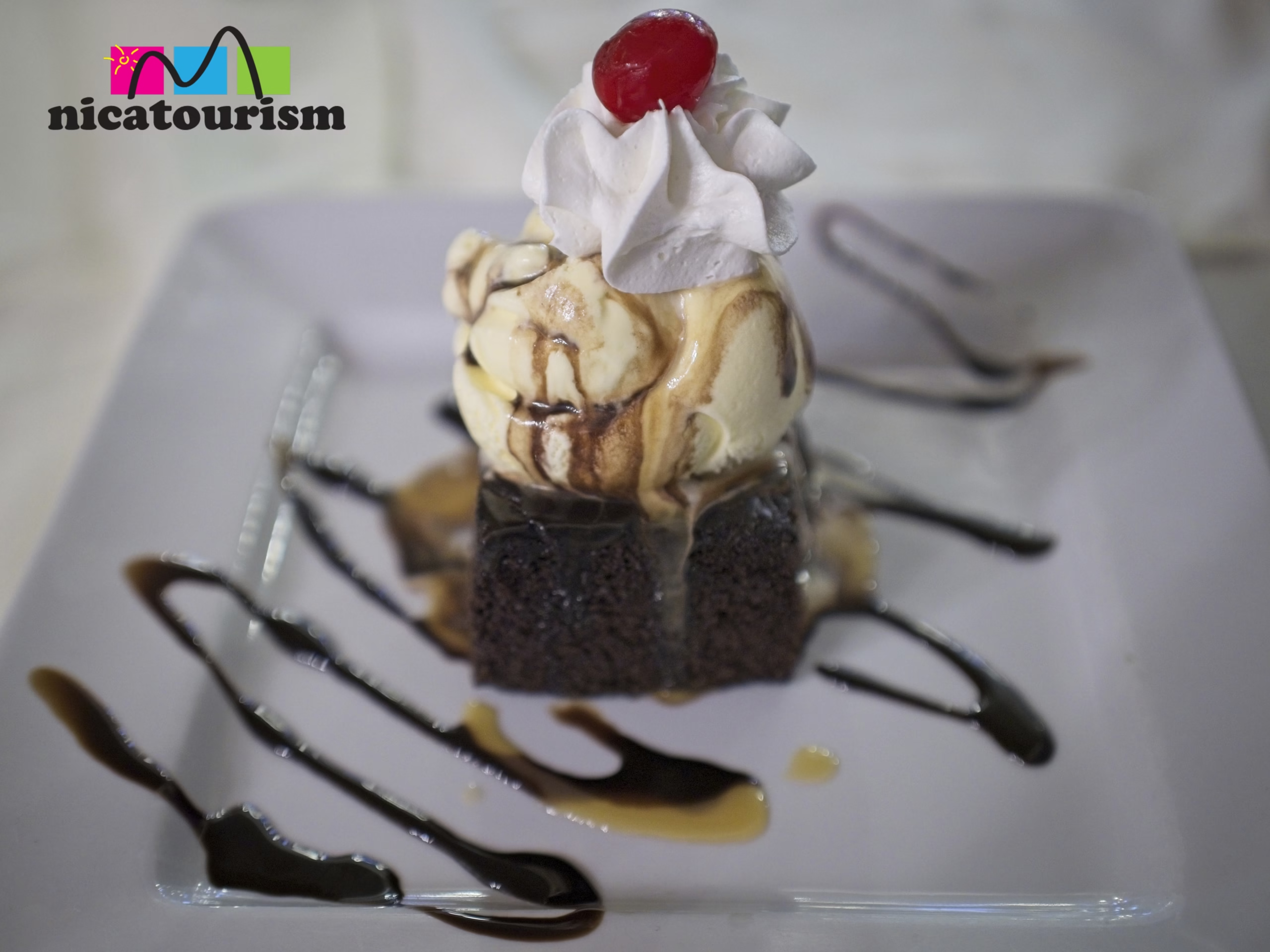
Especial Eskimo – a great dessert at El Eskimo Restaurant
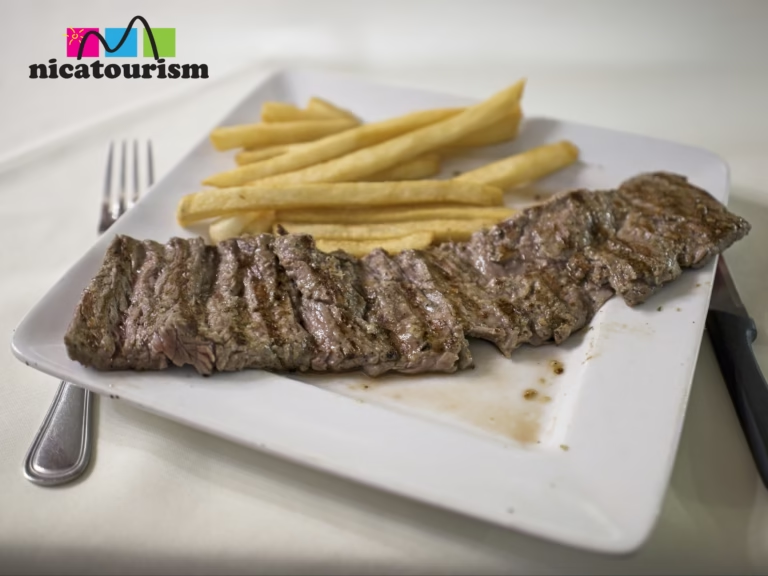
El Eskimo is a renowned and historic restaurant located in Managua, Nicaragua, celebrated for its outstanding cuisine and rich heritage. Founded in 1949, it initially became popular for its ice creams and informal dining atmosphere. Over the years, the establishment has evolved into a more refined venue, presenting a varied menu that encompasses international dishes such as filet mignon and shrimp thermidor, alongside traditional Nicaraguan offerings like churrasco, which many patrons highly recommend for its tenderness and exquisite chimichurri sauce.
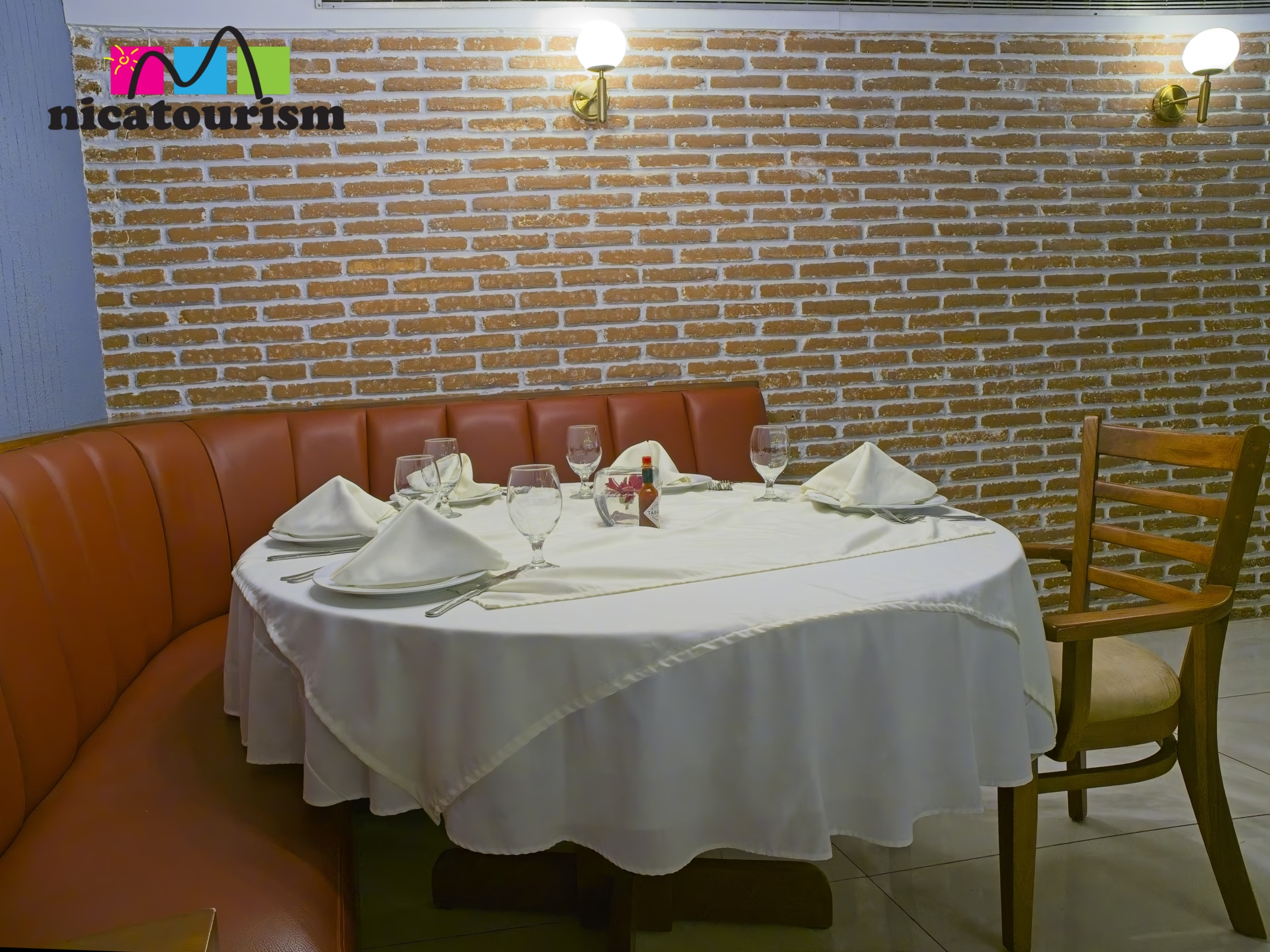
The restaurant boasts a warm and inviting atmosphere, making it suitable for a range of occasions, from family gatherings and casual meals to formal business meetings. It provides both relaxed and sophisticated dining spaces, ensuring a delightful experience for all visitors. In addition to its culinary offerings, El Eskimo is recognized for its attentive service and well-trained personnel.
Its status as one of Managua’s culinary icons is further enhanced by its dedication to quality and innovation. The restaurant consistently updates its menu to align with contemporary tastes while preserving its traditional essence.
Semi-formal dining are in El Eskimo
————————-
El Eskimo es un restaurante emblemático y con gran trayectoria en Managua, Nicaragua, reconocido por su excelente comida y tradición. Fundado en 1949, inicialmente se destacó por sus helados y opciones de comida rápida. Con el tiempo, evolucionó hacia un establecimiento más sofisticado, ofreciendo un variado menú que incluye platos internacionales como filet mignon y camarones thermidor, así como especialidades tradicionales nicaragüenses como el churrasco, un plato muy recomendado por su ternura y el sabor distintivo de su chimichurri.
El restaurante cuenta con un ambiente acogedor, ideal para diversas ocasiones, como reuniones familiares, comidas informales o encuentros de negocios. Ofrece tanto áreas de comedor relajadas como espacios elegantes, garantizando una experiencia agradable para todos sus visitantes. Además de su comida, El Eskimo es valorado por su servicio atento y su personal altamente capacitado.
Consolidado como un referente culinario en Managua, su legado se enriquece gracias a su compromiso con la calidad e innovación, adaptando su menú a las preferencias modernas sin perder sus raíces tradicionales.
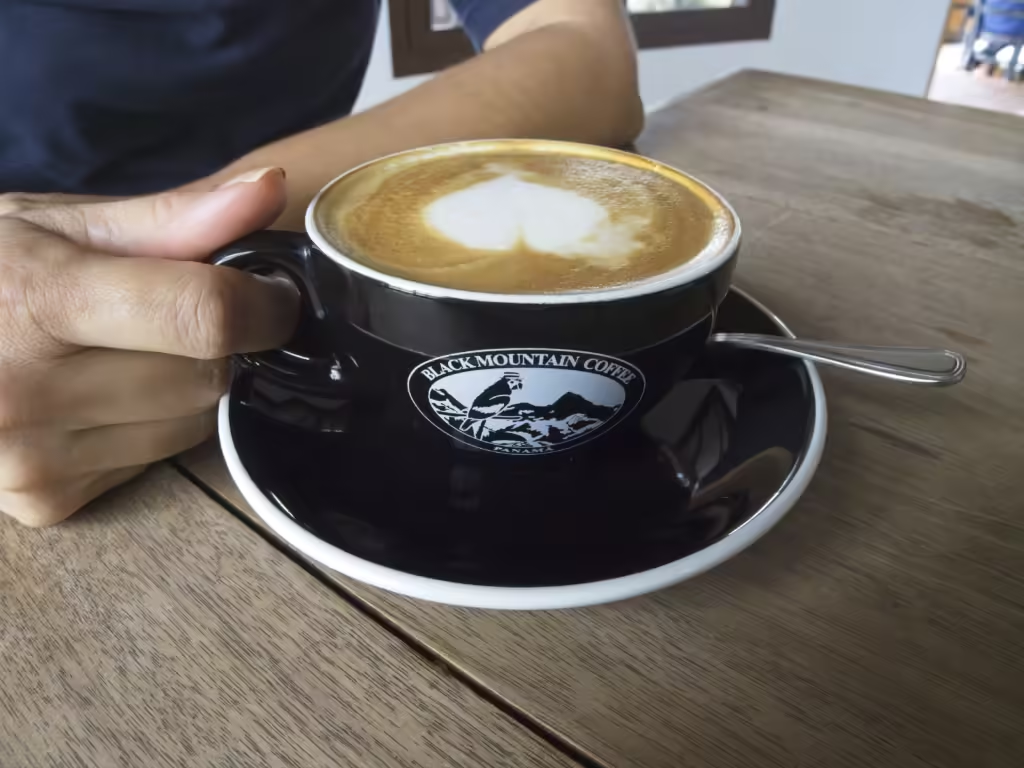
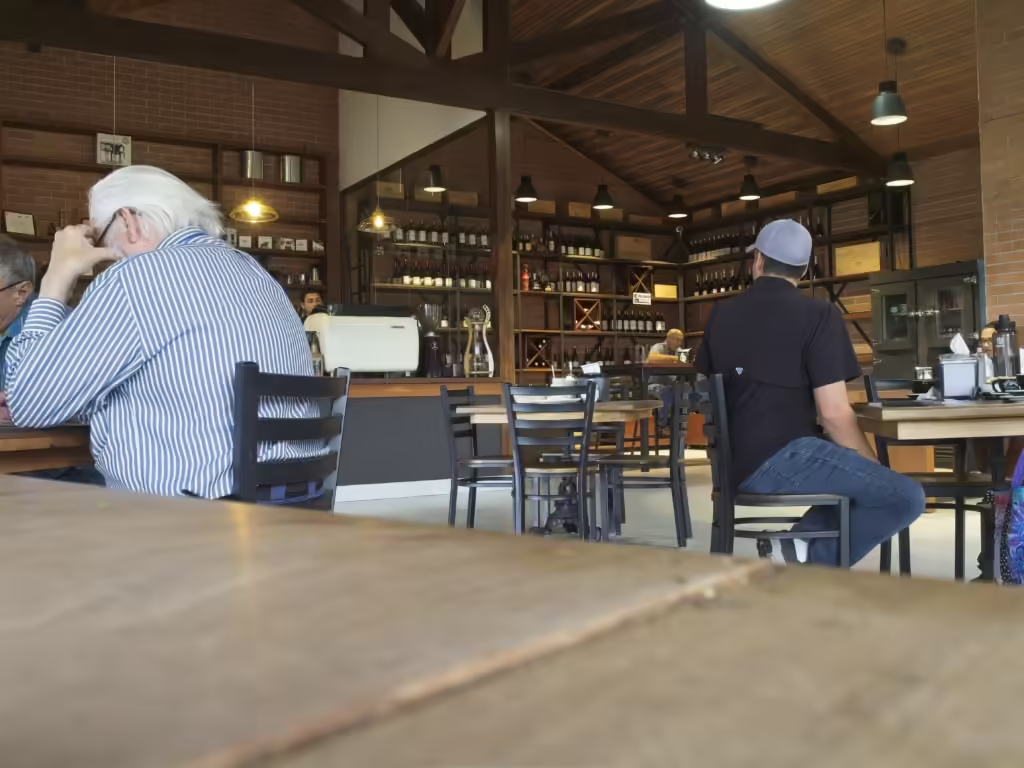
Well, I have to admit that the best hamburger in Volcán, Panama is at a restaurante and café called Black Mountain. I would generally go there for pastries and the excellent selection of coffee that they grow and toast themselves. However, on a tip from a friend, I stopped in for a burger and it was really good (especially for $8.50). Enjoy the pictures!
If you are heading up to the highlands of Panama to escape the Panama heat, give this small hotel a try. It is a quaint and rustic boutique hotel in the coveted Bambito zone of Panama’s Highlands. There are two on-site restaurants, two small ziplines, a quick horse ride and other activities. The grounds are surrounded by a river on one side and woodlands on the other. The food and service are good. The weather is wonderful…and you are in a close proximity to the sites of Cerro Punta.
Garden SuiteBathroom in Garden Suite at Casa Grande
Panama has a beautiful, rural countryside, especially in the Chiriquí part of the country (near the Costa Rica border). Here i leave you two videos: one of a horse named Estela and the other of a young cow named Lola.
Los Clark’s de León, un grupo musical originario de Nicaragua, tuvo su apogeo en las décadas de los 70 y 80. Aunque no alcanzó fama internacional, dejó una huella significativa en la escena musical de su país. Aquí hay algunos aspectos destacados de la historia de Los Clark’s de León: Formación y Estilo Musical: Los Clark’s se formó en la ciudad de León en la década de 1970. Su estilo musical se caracterizaba por versatilidad, fusionando géneros como ska, rock, reggae, dancehall, rap y hip-hop con música tradicional latinoamericana como cumbia, vallenato y norteño. Éxito Local: Aunque no fue ampliamente reconocido fuera de Nicaragua, Los Clark’s ganó popularidad en su país natal. Interpretaron temas tropicales y sabrosos en sus presentaciones y fiestas. Legado: A pesar de su disolución en los años 80, su música sigue siendo recordada. Canciones como “Por Ti” (una versión libre de “Over You”) resonaron con el público nicaragüense. En resumen, Los Clark’s de León es un tesoro musical local que contribuyó al enriquecimiento de la cultura de la música de Nicaragua.
Los huevitos de leche son un delicioso postre tradicional panameño que combina la dulzura de la leche con el sabor del azúcar. Aquí tienes algunas recetas para prepararlos:
Receta básica de huevitos de leche: Ingredientes: 1 litro de leche 1 ½ libras de azúcar 2 cucharadas de fécula de maíz 1 rama de canela ¼ de taza de azúcar impalpable Instrucciones: En una olla grande a fuego medio, mezcla la canela, el azúcar y casi toda la leche (reserva media taza). Disuelve la fécula de maíz en la media taza de leche reservada y agrégala a la mezcla anterior. Continúa removiendo hasta que la mezcla tenga un color dorado y translúcido que permita ver el fondo del recipiente. Deja que la mezcla repose y, aún tibia, forma bolitas de unos 3 a 5 cm de diámetro. Espolvorea azúcar impalpable sobre las bolitas y envuélvelas en papel de colores1. Variante con leche condensada: Ingredientes: 3 tazas de leche entera (800 ml) 1 lata de leche condensada 1 ½ tazas de azúcar 1 raja de canela Vainilla al gusto Una pizca de sal Instrucciones: Cocina todos los ingredientes juntos en una sartén a fuego moderado durante aproximadamente 1 hora y media hasta que la mezcla espese y tome un color dorado. Deja que la mezcla se enfríe y forma las bolitas. Envuélvelas en papel de colores y disfruta de estos deliciosos huevitos de leche condensada. Recuerda que los huevitos de leche son perfectos para meriendas o como mini dulces en una mesa de postres. ¡Espero que los disfrutes! 😊
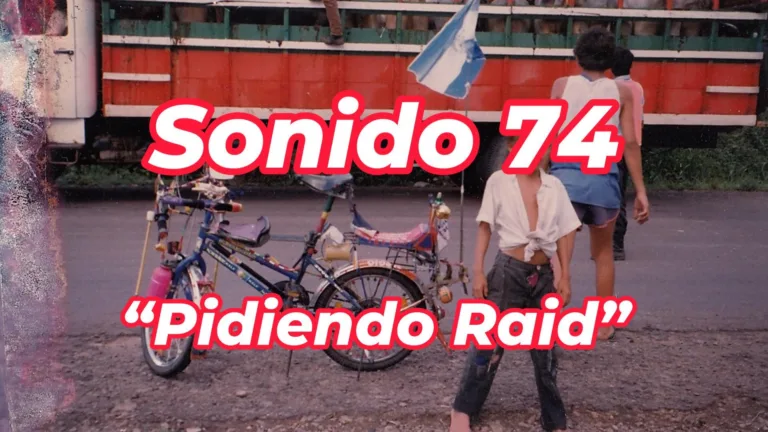
Música de los 70’s de Nicaragua Sonido 74 fue un grupo musical nicaragüense de los años 60 y 70. Aunque su existencia fue efímera, dejó una huella en la escena musical de Nicaragua. Aquí algunos detalles sobre el grupo: – **Vocalista**: **Humberto “Beto” Hernández** (QEPD). – **Requinto**: **Nicolás Tijerino**, quien también fue el antiguo requinto de “Los Buitres” del Barrio San Sebastián de Managua¹². A pesar de su breve trayectoria, Sonido 74 contribuyó al rico patrimonio musical de Nicaragua. Su legado sigue vivo en la memoria de quienes disfrutaron de su música. 🎶🇳🇮
Los Signos del Zodíaco es un grupo musical de nicaragua de los años 60s y 70s. Muchos disfrutaron de sus canciones románticas, característas de la buena música del recuerdo. Sus integrantes incluyen: Jorge Ventura Amador, Roberto Larios, Manuel Antonio Orozco y Arnoldo de los Reyes Aguilera.