Those exotic McFlurry are back. This time it’s orange and chocolate. There’s a peach sundae and coconut pie too! Get them while they last at your 5 Nicaragua located McDonald’s (all in the Managua area).
Los McFlurry exóticos están de vuelta. Ahora son naranja con chocolate. También hay un sundae de melocotón y pastel de coco. Corré a conseguirlos hasta agotar existencia en los 5 restaurante McDonald en Nicaragua (todos en la zona de Managua).
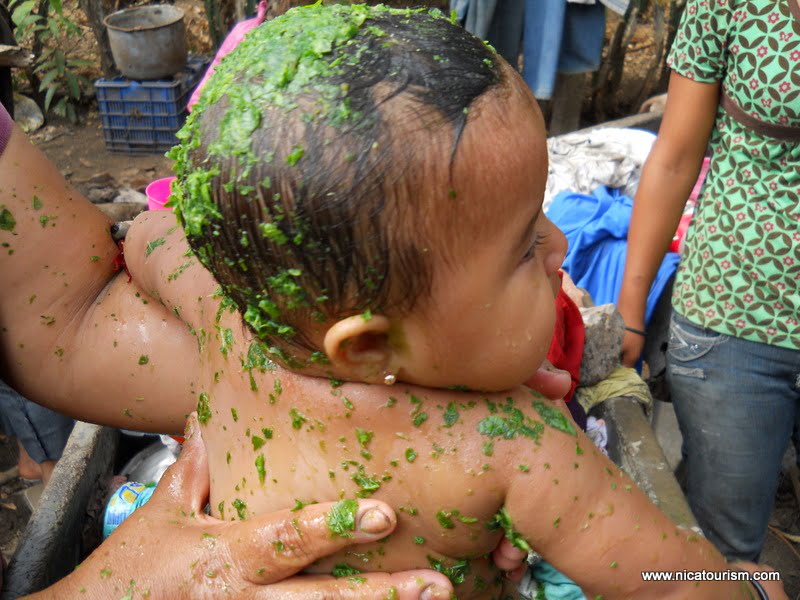
It’s summertime in Nicaragua and it’s HOT. To cool her baby down, this woman from Caña de Castilla uses the leaves of a madero tree. It’s soothing effect is obvious on this little girl 🙂
Es verano en Nicaragua y HACE CALOR. Para enfriar a su bebé, esta señora de Caña de Castilla usa hojas de madero. Su efecto calmante es obvio para esta niña 🙂
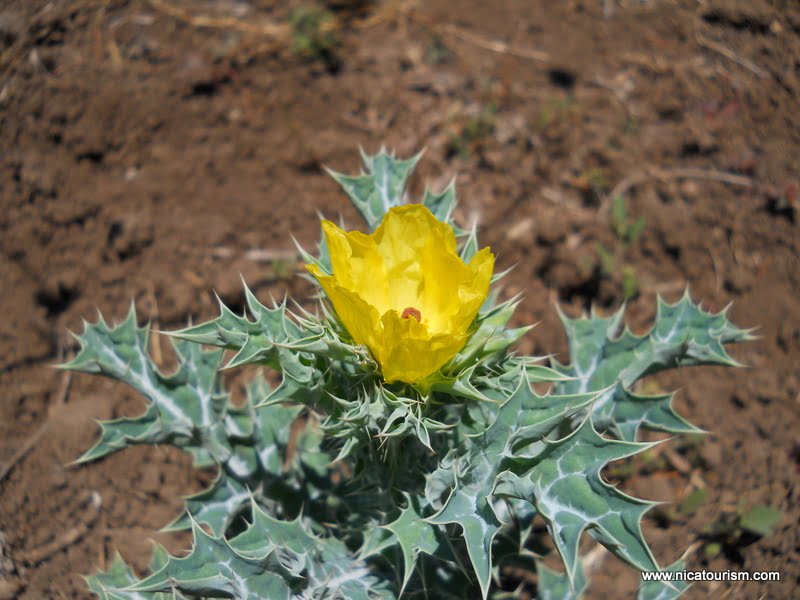
Here is a flower you will see quite a bit right now in Nicaragua, in April and May, before the barren fields are plowed and planted. It’s called Mexican Prickly poppy. It has medicinal properties to reduce fever, cure ulcers and even help with asthma.
Aquí está una flor que se mira bastante ahorita en Nicaragua, en Abril y Mayo, antes que los campos se siembren. Se llama Cardo Santo. Tiene propiedades medicinales: reducir la fiebre, curar úlceras y amortiguar el asma.
I was out in Las Isletas in Granada and had lunch on this island. We ate fried fish. What I didn’t know was that this custom is not only peculiar to humans. This green parrot also was happy to have a fried fish head!
Estuve en Las Isletas, Granada y almorzamos en una isla. Comimos pescado frito, como es de costumbre. Lo que no sabía es que no es una costumbre peculiar a los seres humanos…esta lora también gozaba con comerse una cabeza de pescado frito!
Nacatamales: Central America’s Most Beloved Traditional Dish
There’s something uniquely charming about Central American food culture, and few dishes capture this essence better than the nacatamal. This iconic traditional dish has earned its place as a staple across Nicaragua, El Salvador, Honduras, and Guatemala, representing not just sustenance, but a cultural experience passed down through generations.
Picture this: a man, sitting on the ground with genuine joy radiating from his face, savoring every bite of his nacatamal. His contentment tells the story of what makes this dish so special. The nacatamal, often enjoyed as a breakfast or late-night snack, represents the heart of Central American cuisine and the warmth of shared community experiences.
What Makes Nacatamales Special?
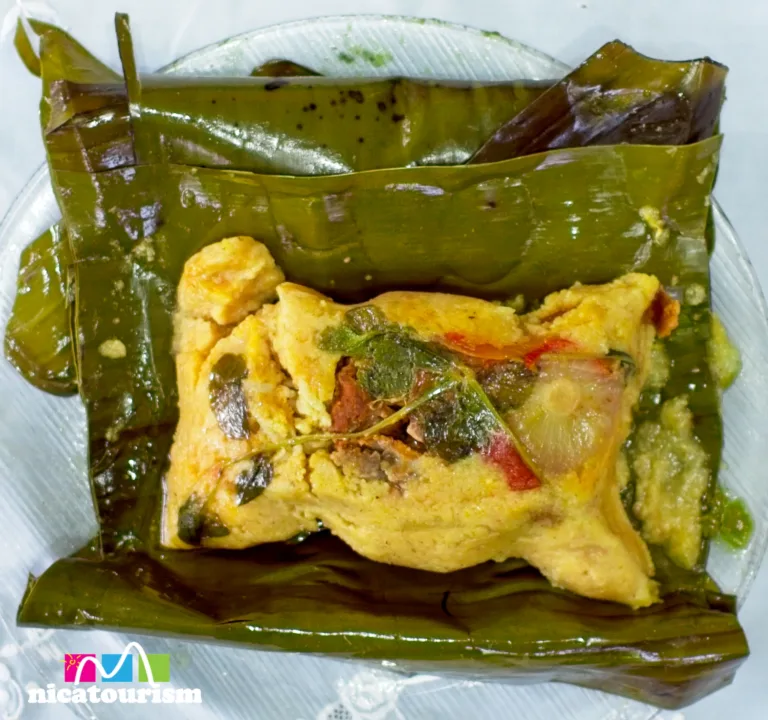
A nacatamal is a traditional Central American tamale with a distinctive preparation method that sets it apart from Mexican tamales. This hearty dish consists of a corn masa (dough) filled with a savory meat sauce, typically featuring chicken or pork, along with vegetables like potatoes, olives, and capers. The entire mixture is wrapped in banana leaves and steamed to perfection, creating a comforting meal that’s both substantial and flavorful.
The nacatamal recipe has been perfected over centuries, with each family maintaining their own variations and secret ingredients. What remains constant is the dedication to quality and tradition that goes into every bite. The banana leaf wrapping not only serves a practical purpose in steaming but also imparts a subtle, authentic flavor that’s impossible to replicate with modern cooking methods.
A Cultural Icon of Central America
In Nicaragua, nacatamales hold a special place in the food culture. They’re traditionally sold by street vendors in the early morning hours, available for those seeking an authentic breakfast experience. The question “Do you like nacatamales?” is more than a simple inquiry about food preferences—it’s an invitation to understand Central American culinary traditions and the values of community and tradition.
Whether enjoyed by someone relaxing on the ground or as part of festive celebrations, nacatamales represent the accessible luxury of traditional Central American food. They embody the spirit of regional cuisine, where simple ingredients are transformed through technique and tradition into something truly memorable.
Why Nacatamales Continue to Thrive
The enduring popularity of nacatamales speaks to their versatility and cultural significance. They’re affordable, filling, and deeply satisfying—qualities that have made them beloved across Central America. As more travelers discover the authentic flavors of this region, nacatamales remain a must-try experience for anyone exploring Central American gastronomy.
The joy evident in someone savoring a nacatamal, regardless of their surroundings, demonstrates that this dish transcends simple nourishment. It’s about connection, tradition, and the universal human experience of finding happiness in good food and shared culture.
Nacatamales: El Platillo Tradicional Más Querido de Centroamérica
Existe algo singularmente encantador en la cultura culinaria centroamericana, y pocos platillos capturan esta esencia mejor que el nacatamal. Este platillo tradicional icónico se ha ganado su lugar como una comida básica en Nicaragua, El Salvador, Honduras y Guatemala, representando no solo sustento, sino una experiencia cultural transmitida de generación en generación.
Imagina esto: un hombre, sentado en el suelo con una alegría genuina radiando de su rostro, saboreando cada bocado de su nacatamal. Su contentamiento cuenta la historia de lo que hace que este platillo sea tan especial. El nacatamal, a menudo disfrutado como desayuno o refrigerio nocturno, representa el corazón de la cocina centroamericana y la calidez de las experiencias comunitarias compartidas.
¿Qué Hace Especiales a los Nacatamales?
Un nacatamal es un tamal tradicional centroamericano con un método de preparación distintivo que lo diferencia de los tamales mexicanos. Este platillo sustancioso consiste en una masa de maíz rellena con una salsa de carne sabrosa, típicamente con pollo o cerdo, junto con verduras como papas, aceitunas y alcaparras. La mezcla completa se envuelve en hojas de plátano y se cocina al vapor hasta la perfección, creando una comida reconfortante que es tanto sustanciosa como sabrosa.
La receta de nacatamal ha sido perfeccionada a lo largo de siglos, con cada familia manteniendo sus propias variaciones e ingredientes secretos. Lo que permanece constante es la dedicación a la calidad y la tradición que se invierte en cada bocado. El envoltorio de hoja de plátano no solo sirve un propósito práctico en la cocción al vapor, sino que también imparte un sabor sutil y auténtico que es imposible de replicar con métodos de cocina modernos.
Un Icono Cultural de Centroamérica
En Nicaragua, los nacatamales ocupan un lugar especial en la cultura alimentaria. Tradicionalmente son vendidos por vendedores ambulantes en las primeras horas de la mañana, disponibles para aquellos que buscan una experiencia auténtica de desayuno. La pregunta “¿Te gustan los nacatamales?” es más que una simple investigación sobre preferencias de comida—es una invitación a entender las tradiciones culinarias centroamericanas y los valores de comunidad y tradición.
Ya sea disfrutado por alguien relajándose en el suelo o como parte de celebraciones festivas, los nacatamales representan el lujo accesible de la comida tradicional centroamericana. Encarnan el espíritu de la cocina regional, donde ingredientes simples se transforman a través de la técnica y la tradición en algo verdaderamente memorable.
Por Qué los Nacatamales Continúan Prosperando
La popularidad perdurable de los nacatamales habla de su versatilidad y significancia cultural. Son asequibles, saciantes y profundamente satisfactorios—cualidades que los han hecho queridos en toda Centroamérica. A medida que más viajeros descubren los sabores auténticos de esta región, los nacatamales siguen siendo una experiencia imprescindible para cualquiera que explore la gastronomía centroamericana.
La alegría evidente en alguien saboreando un nacatamal, sin importar sus circunstancias, demuestra que este platillo trasciende la simple nutrición. Se trata de conexión, tradición y la experiencia humana universal de encontrar felicidad en la buena comida y la cultura compartida.
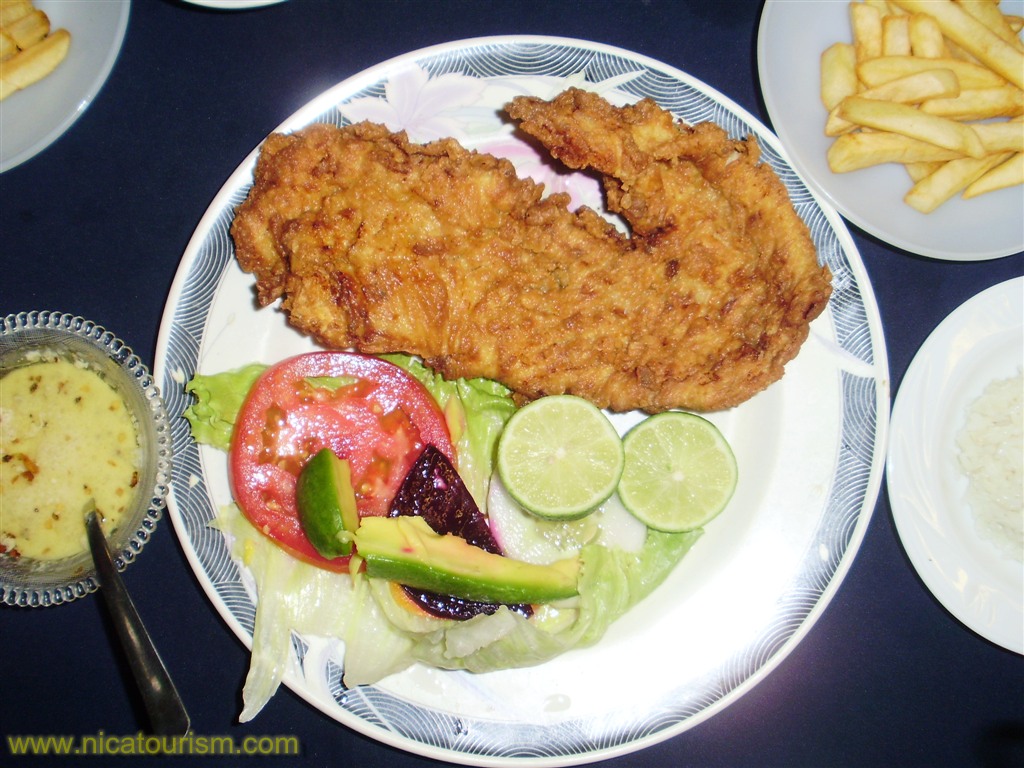
We had an excellent lunch this week at Las Colinas Sur in Granada, Nicaragua. It’s a local restaurant famous for freshwater fish, caught fresh out of Lake Cocibolca, the 10th largest freshwater body in the world. The favorite is guapote – a Central American Bass (technically a member of the Cichlid family), I had breaded and deep-fried guapote with garlic and butter sauce (in the second picture) and Eunice had grilled guapote (in the third picture). These dishes cost about C$200 ($9.09). We washed it down with ‘té de grama’ (fresco de grama), a favorite lemon-tea type drink made from a local grass. When in Granada, do visit Las Colinas Sur!
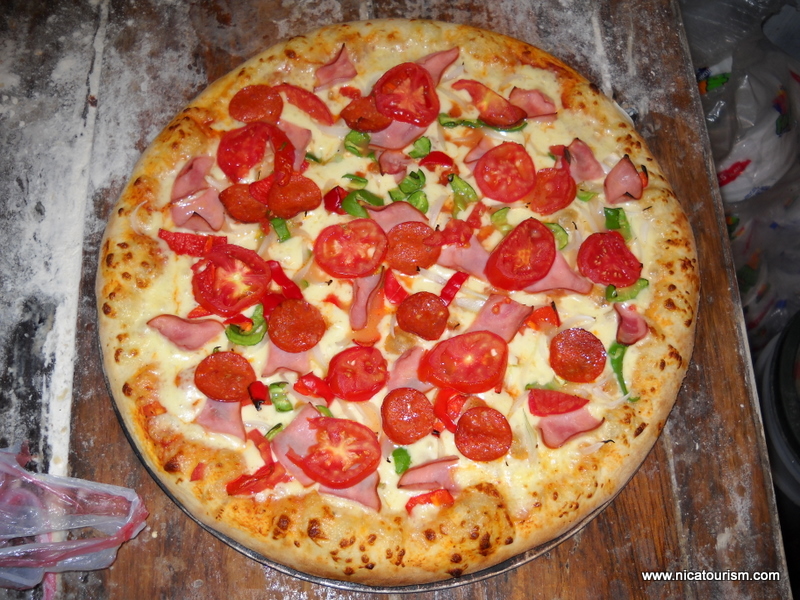
I hate to exaggerate but I ate the best pizza in León, Nicaragua last night and the night before. You probably won’t believe where I bought it at. It’s in Central Park, right next to the church. It’s called Pizza León. Not much on looks but the goods are good! You can get a slice for C$15 ($0.75) or a whole pizza for C$180 ($9) – a specialty pizza like the one in the picture. A ham or pepperoni and cheese goes for C$150. Nightlife and entertainment in Nicaragua are close by.
Sin miras a exagerar, me lanzé la mejor pizza en León, Nicaragua anoche y ante anoche. Quizá no vayas a creer dónde me la comí…en el Parque Central, al lado de la iglesia. Se llama Pizza León. Quizá no tenga el mejor ambiance pero la pizzá está fuera de órbito! Un pedazo (“un eslay” como dicen en Nicaragua) cuesta C$15 ($0.75). Una pizza entera (especial como la de la foto) cuesta C$180 ($9). Si solo pedís jamón o peperoni, cuesta C$150. Entretenimiento y diversion están cerca….
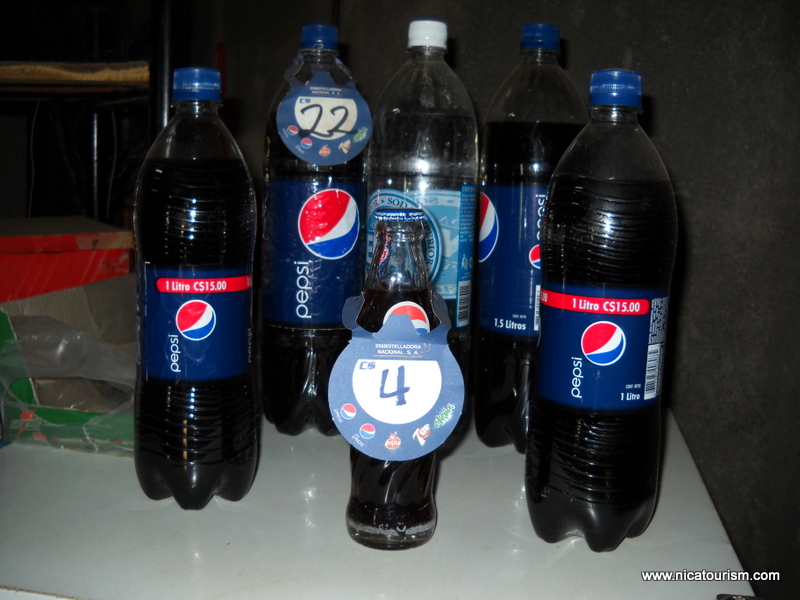
Here are some different presentations of Pepsi in Nicaragua. Interestingly, Pepsi is locally bottled and made with cane sugar (not corn syrup, like in the USA). If you ask for a Pepsi, you might be misunderstood. Get it right the first time and just say: “Peksi”. BTW that little bottle (6 oz.) costs C$4 ($0.20).
Aquí están algunas de las diferentes presentaciones de la Pepsi en Nicaragua. Es interesante que se envasa localmente la Pepsi y que está hecha de caña de azucar (no sirope de maíz, como en los EE.UU). Si pedís una Pepsi, quizá se te malinterprete. Decilo bien la primera vez y solo digas: “Peksi”. A propósito, aquella botella chiquita (6 oz.) cuesta C$4 ($0.20).
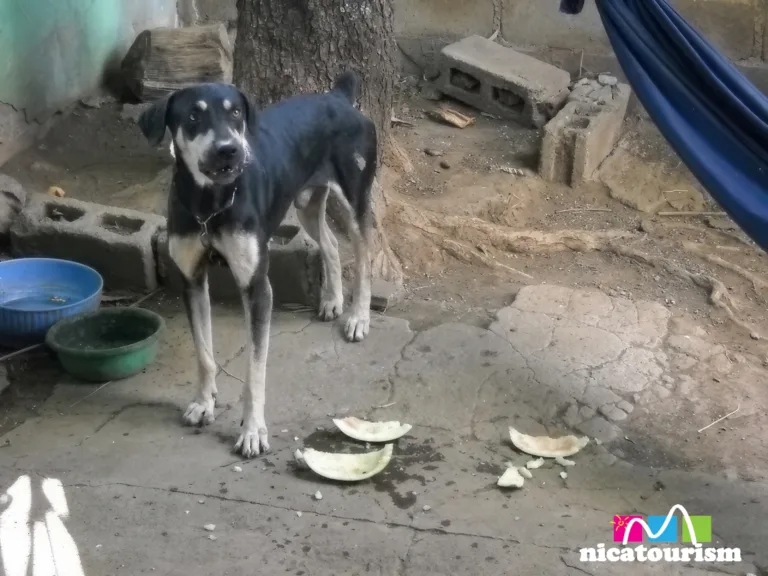
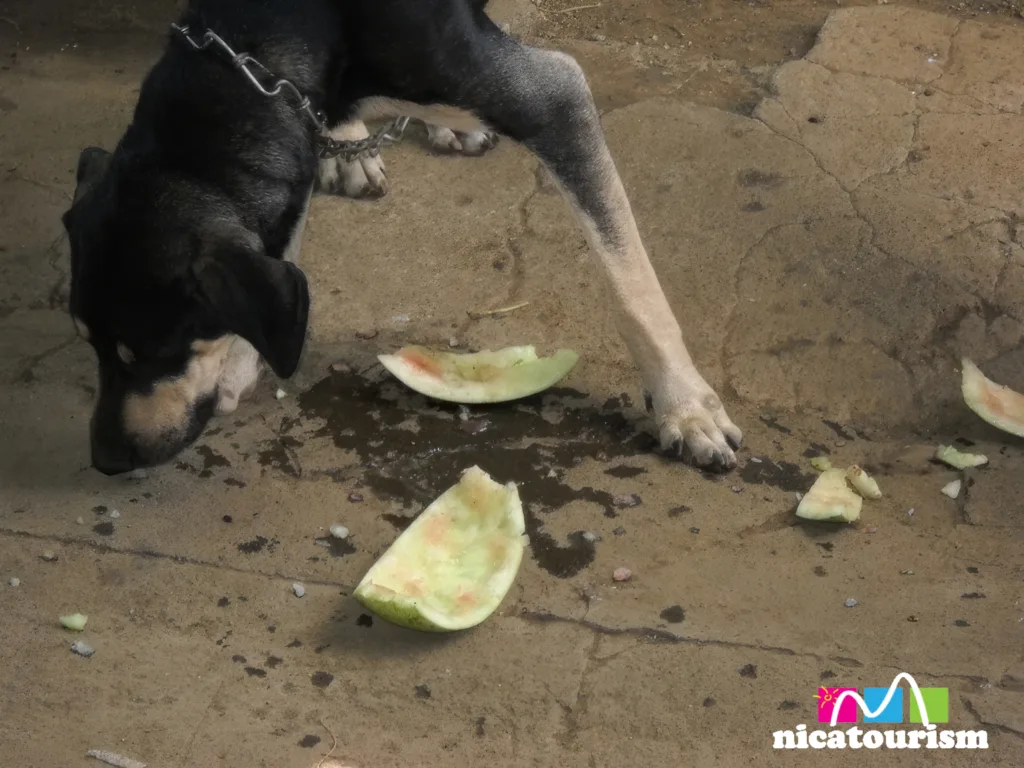
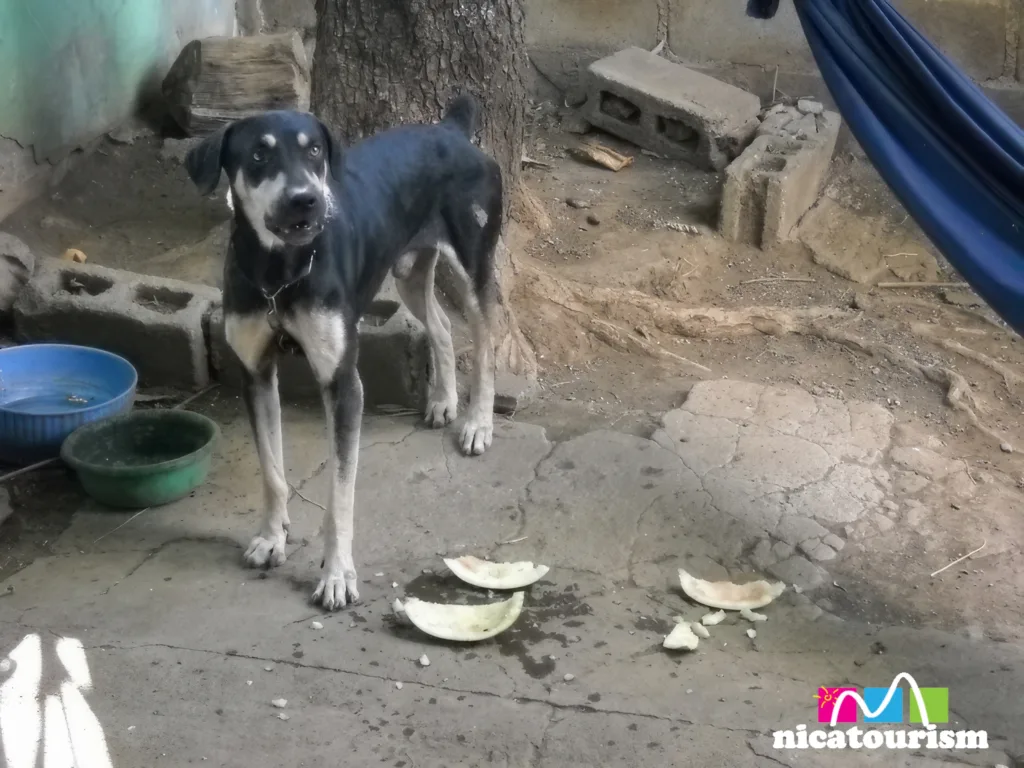
This watermelon-eating dog knows how to make the best of living in a tropical paradise like Nicaragua. He gratefully eats most fruits and vegetables thrown his way, as the picture clearly reveals. His name is Pluto and I was told that a little later he will even finish up the rinds.
Este perro que come sandía sabe aprovechar de vivir en un paraíso tropical como Nicaragua. Con agradecimiento come cualquier fruto y verdura que se le tira. Vos lo observás allí con la sandía. El perro se llama Plutón y me dijeron que más luego termina comiendo hasta la cáscara.









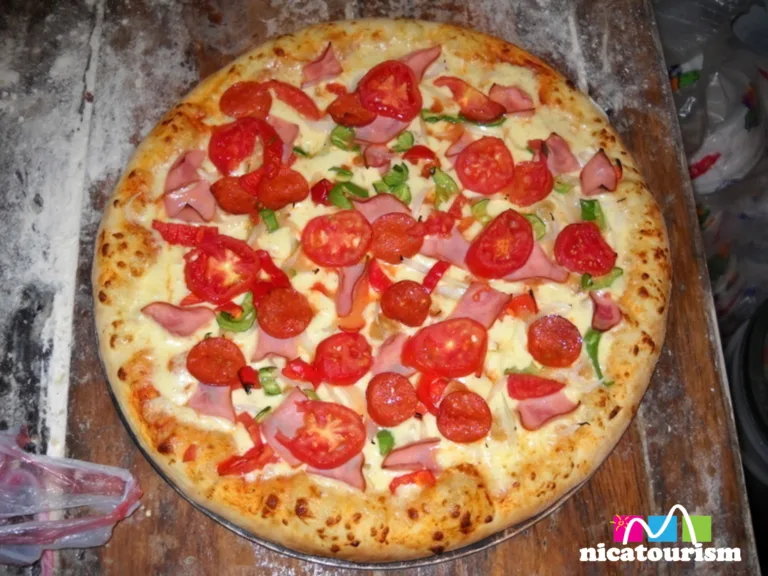
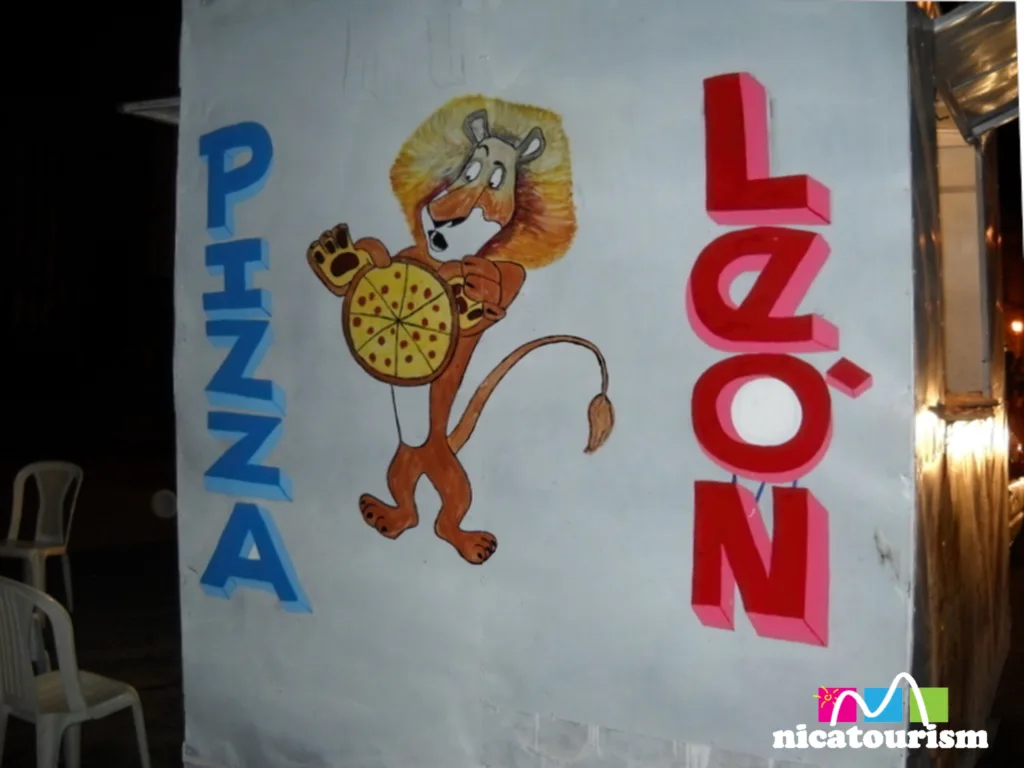
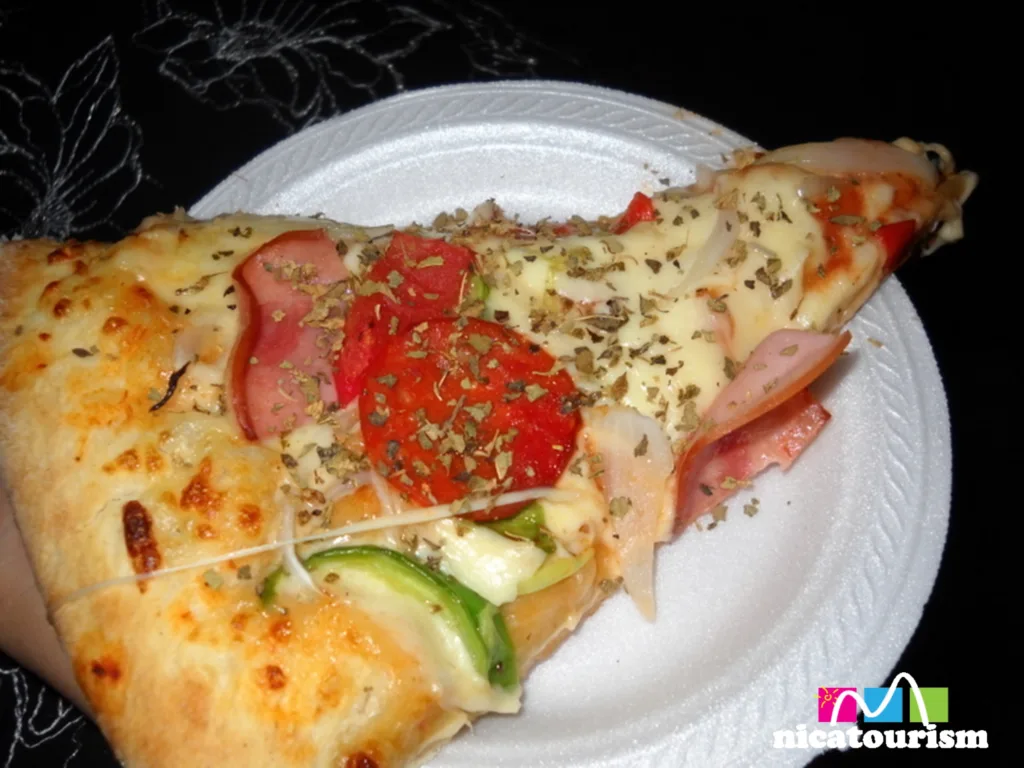 I hate to exaggerate but I ate the best pizza in León, Nicaragua last night and the night before. You probably won’t believe where I bought it at. It’s in Central Park, right next to the church. It’s called Pizza León. Not much on looks but the goods are good! You can get a slice for C$15 ($0.75) or a whole pizza for C$180 ($9) – a specialty pizza like the one in the picture. A ham or pepperoni and cheese goes for C$150. Nightlife and entertainment in Nicaragua are close by.